
Shrubs
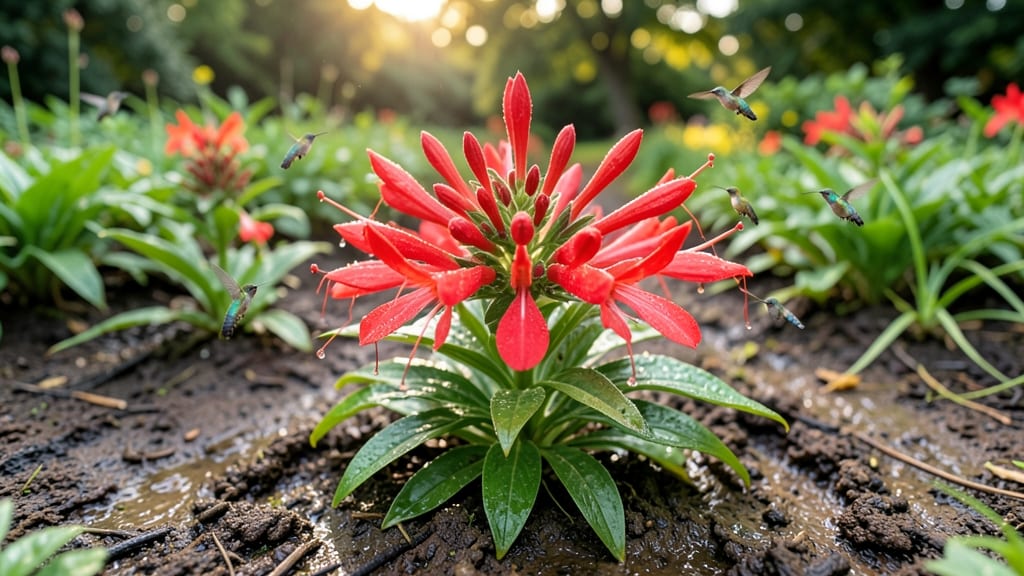
Transform soggy yard spaces into lush, eco-friendly havens with these 10 rain garden shrubs. Perfect for wet soil, they require minimal care while supporting local wildlife and improving drainage.
Buttonbush with White Flower Clusters
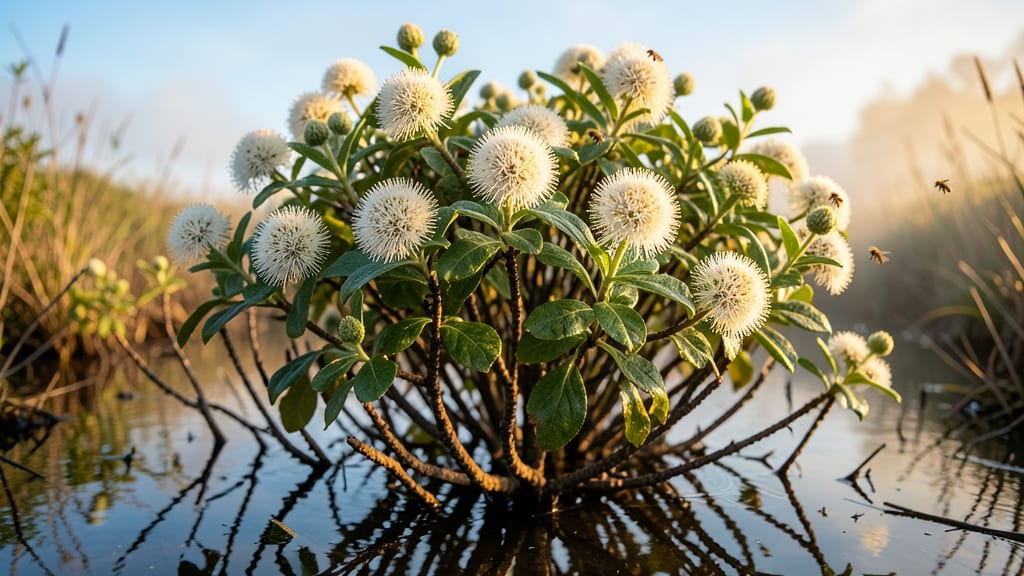
Turn your soggy corners into a buzzing pollinator paradise with buttonbush (Cephalanthus occidentalis), a native shrub that thrives in standing water while putting on a dramatic show. Its dense white flower clusters (resembling bottlebrushes) bloom in late spring to summer, creating a cloud-like effect that draws bees, butterflies, and even hummingbirds.
This adaptable shrub handles full sun to partial shade and tolerates poor soil, making it ideal for rain gardens where other plants might struggle. After flowering, its unique spherical seed pods provide winter interest, adding texture to your landscape even when the garden sleeps. Prune lightly in late winter to encourage fresh growth.
Perfect for wildlife enthusiasts and low-maintenance gardeners, buttonbush delivers year-round beauty with minimal effort. Plant it near water features or wet areas to maximize its natural charm. 🌟
Swamp Azalea for Season-Long Color
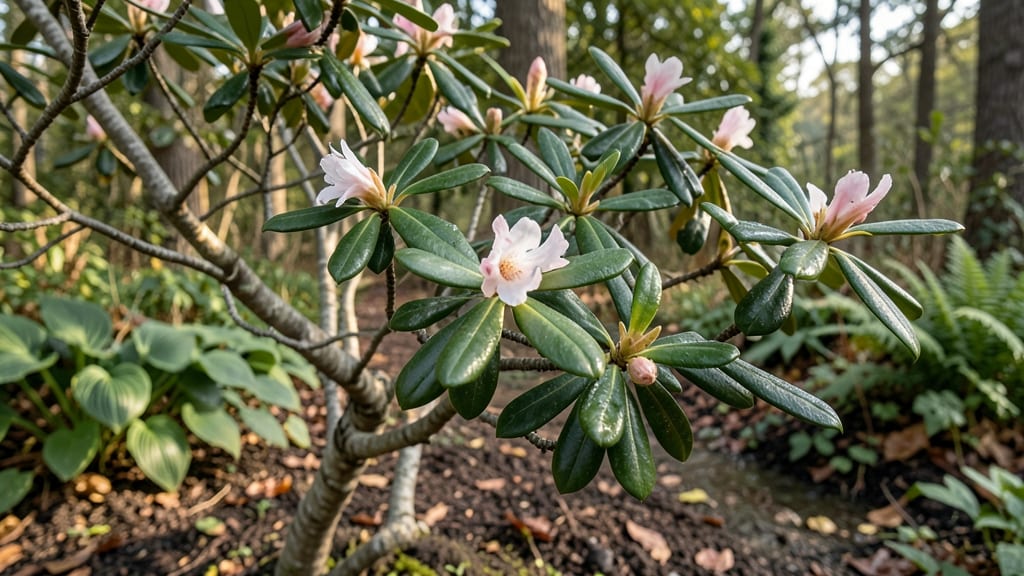
If your rain garden needs year-round interest beyond just summer blooms, swamp azalea delivers with its glossy evergreen leaves and late-spring flowers. Unlike many wetland plants that drop foliage in winter, this shrub stays lush and vibrant, making it a standout in shaded areas where other plants struggle.
Thriving in acidic, waterlogged soils, swamp azalea prefers partial shade (3-6 hours of sun) and tolerates seasonal flooding better than most shrubs. Its pink or purple blooms appear in late spring, followed by dark green leaves that maintain their color through winter. Prune lightly after flowering to maintain shape, but avoid heavy trimming—this shrub rewards patience with minimal effort.
Perfect for gardeners who want low-maintenance beauty without sacrificing seasonal interest, swamp azalea also supports pollinators like bees and butterflies. 🌿
Joe Pye Weed for Pollinator Support
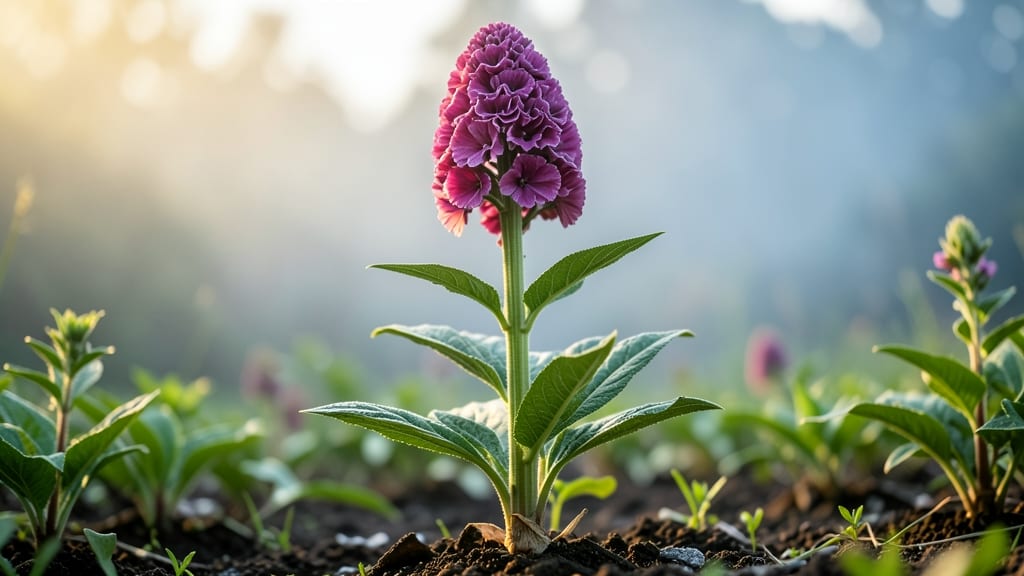
When your rain garden needs a late-summer pollinator powerhouse, Joe Pye weed delivers with towering blooms that hummingbirds and monarchs adore. This native perennial thrives in soggy soils where other plants struggle, reaching heights of 4-7 feet while providing nectar when many gardens are fading.
Plant in full sun for maximum blooms, and expect lavender-pink flower clusters from August through September. The coarse, lance-shaped leaves add texture, and its deep roots help filter runoff. Deadhead spent blooms to encourage more flowers and prevent self-seeding if you prefer controlled growth.
Perfect for gardeners who want to support monarch migration or attract hummingbirds, Joe Pye weed is especially rewarding for those with wetland areas needing both beauty and function. 🌻
Inkberry Holly for Year-Round Structure
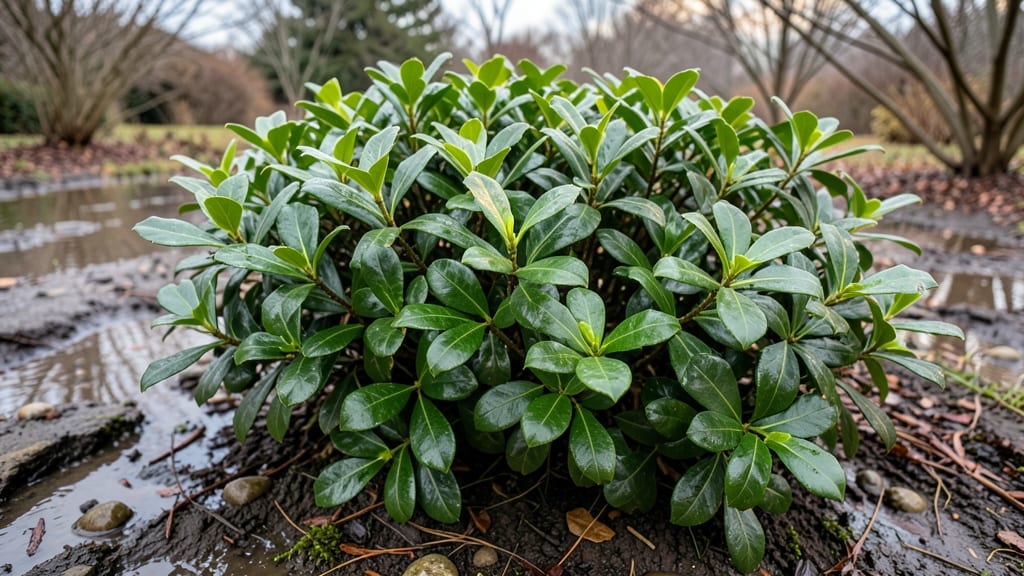
Tired of soggy spots ruining your garden’s clean lines? Inkberry holly (Ilex glabra) delivers year-round structure with its glossy, deep green leaves that stay vibrant even in winter’s chill. Unlike seasonal bloomers, this drought-tolerant evergreen keeps its architectural form through all four seasons, making it ideal for formal rain garden designs where precision matters.
This low-maintenance shrub thrives in moist to wet soils and handles partial shade, though it prefers 4–6 hours of sun for denser growth. Prune lightly in late winter to maintain its natural shape—no dramatic cuts required. Its berries (though not showy) provide food for birds, adding another layer of ecosystem support. For urban gardeners or those craving clean, structured greenery, inkberry holly is the unsung hero.
Perfect for hedges, borders, or as a focal point, it’s the quiet backbone of a rain garden that never skips a beat. 🌿
Marsh Marigold for Early Spring Blooms
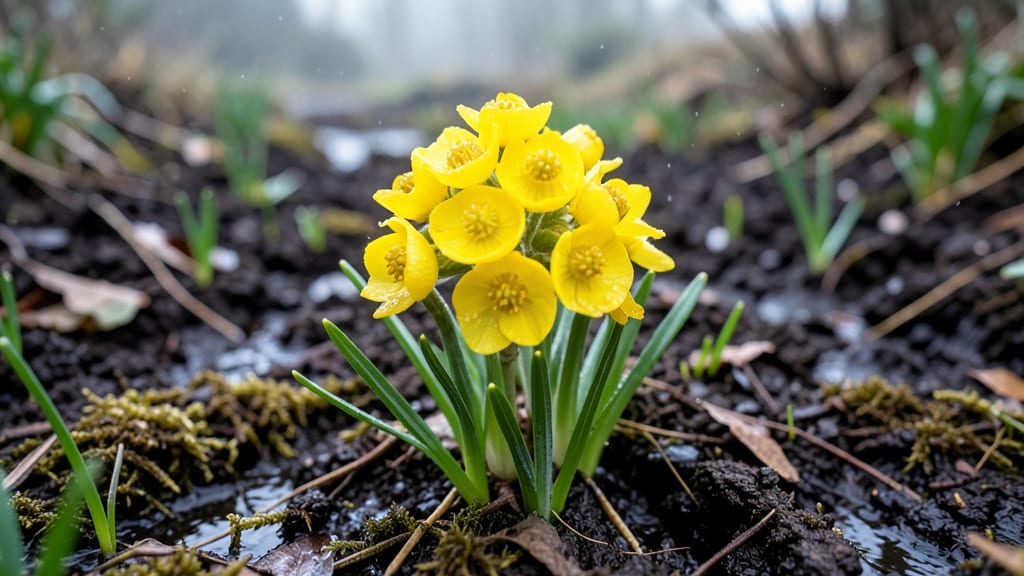
When winter finally loosens its grip and the ground thaws, marsh marigold (Caltha palustris) bursts onto the scene with bright yellow, cup-shaped blooms—often before most perennials even think about waking up. This hardy plant thrives in saturated soils where others would drown, making it a standout for rain gardens.
Native to wetlands and bogs, marsh marigold tolerates full sun to partial shade and even flourishes in shallow standing water. Its early blooms (typically March to May) provide critical nectar for bees and butterflies emerging from hibernation. After flowering, its glossy, heart-shaped leaves create a lush ground cover until fall.
Perfect for gardeners who want instant spring color with minimal effort, marsh marigold spreads slowly via rhizomes, making it ideal for borders or woodland edges. 🌻
Spicebush with Fragrant Yellow Flowers
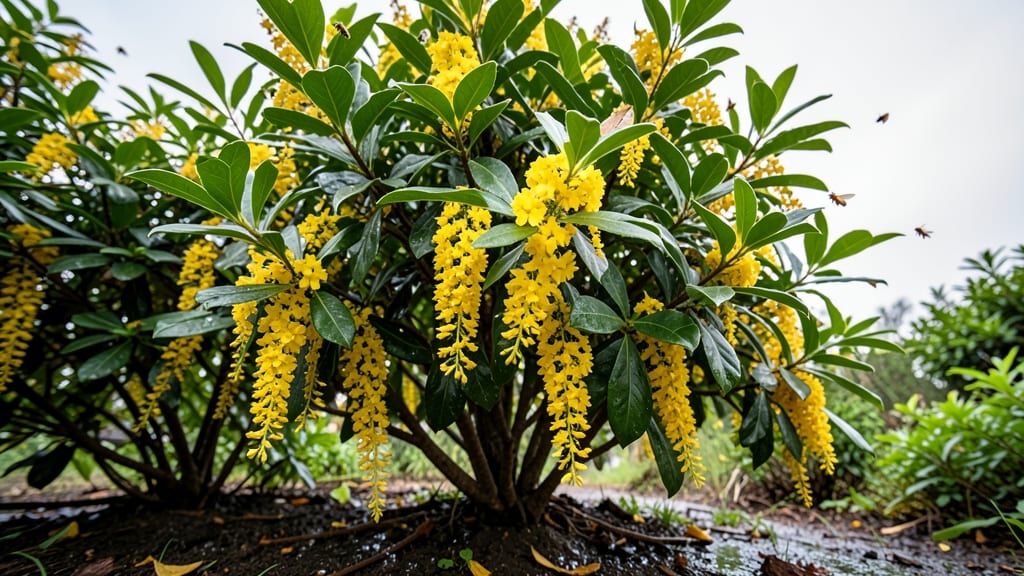
If you love the scent of fresh herbs but want a low-maintenance shrub that thrives in wet conditions, spicebush delivers a fragrant surprise. Its aromatic yellow flowers bloom in spring, filling the air with a citrusy, spicy fragrance that attracts pollinators like bees and butterflies.
After flowering, female plants produce clusters of bright red berries that persist through winter, providing a vital food source for birds like cedar waxwings and robins. This native shrub handles both wet and moist soils beautifully, making it perfect for rain gardens where other plants might struggle.
Perfect for gardeners who want seasonal interest with minimal effort, spicebush's dual appeal—fragrant flowers and wildlife-friendly berries—makes it a standout choice for any wetland landscape. 🌻
Soft Rush for Textural Interest
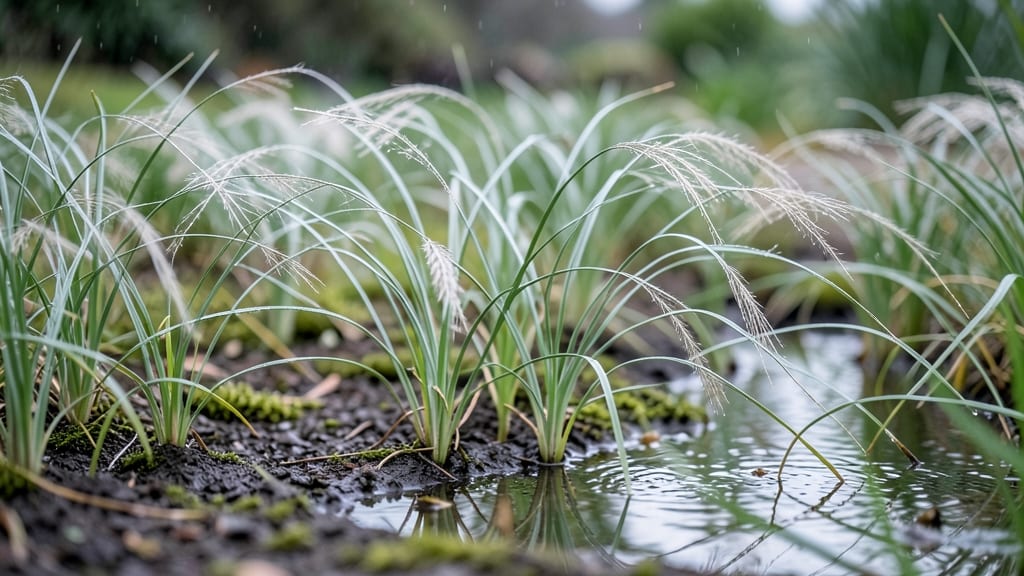
Tired of flat, boring rain garden borders? Soft rush (Juncus effusus) brings movement and dimension to wet areas with its airy, feathery plumes that sway in the breeze. Unlike traditional shrubs, this ornamental grass thrives in standing water up to 6 inches deep, making it perfect for rain garden edges where water pools.
Plant in full sun to partial shade for best growth, and space clumps 12-18 inches apart to create a lush, textured border. Its drought-tolerant once established nature means less watering once roots take hold, and it handles both seasonal flooding and dry spells with ease. The soft, arching foliage contrasts beautifully with taller shrubs like Joe Pye weed while adding a natural, wild look.
Ideal for gardeners who want low-maintenance texture without the fuss of flowers or berries, soft rush is especially great for small spaces where you want to frame water features or create a soothing, wind-activated display. 🌿
Sweet Pepperbush for Hummingbirds
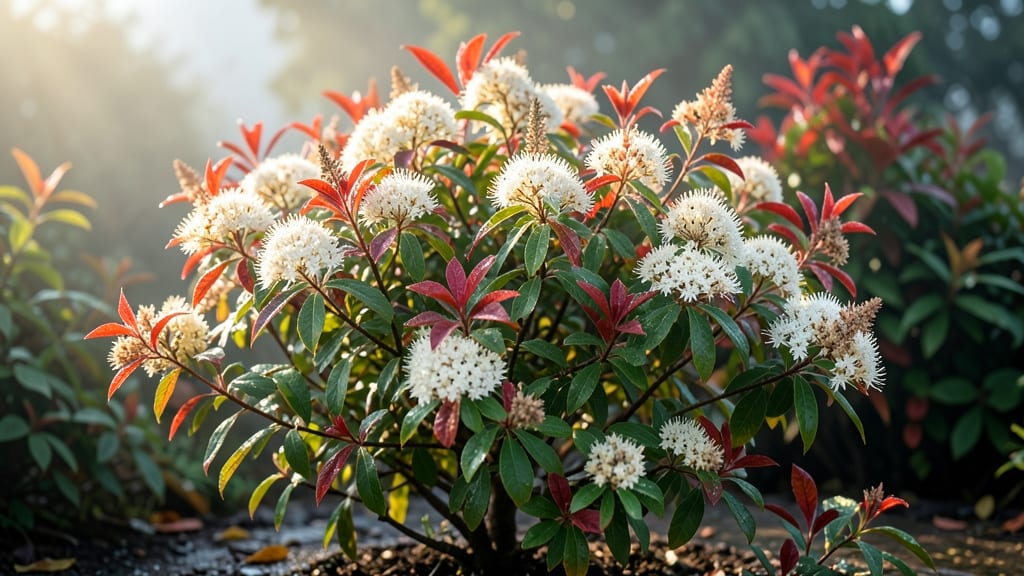
Want a shrub that doubles as a hummingbird hotel while adding seasonal drama? Sweet pepperbush (Clethra alnifolia) delivers fragrant white flowers in late summer that hummingbirds adore, followed by fiery red fall foliage that lasts weeks.
This native shrub thrives in wet to moist soils (including rain gardens) and handles partial shade, making it versatile for sunny edges or shaded borders. Prune lightly after blooming to maintain shape, and watch as the foliage transitions from green to vibrant crimson—a late-season showstopper.
Perfect for gardeners who love low-maintenance pollinator plants with year-round interest. 🌟
Winterberry Holly for Seasonal Color
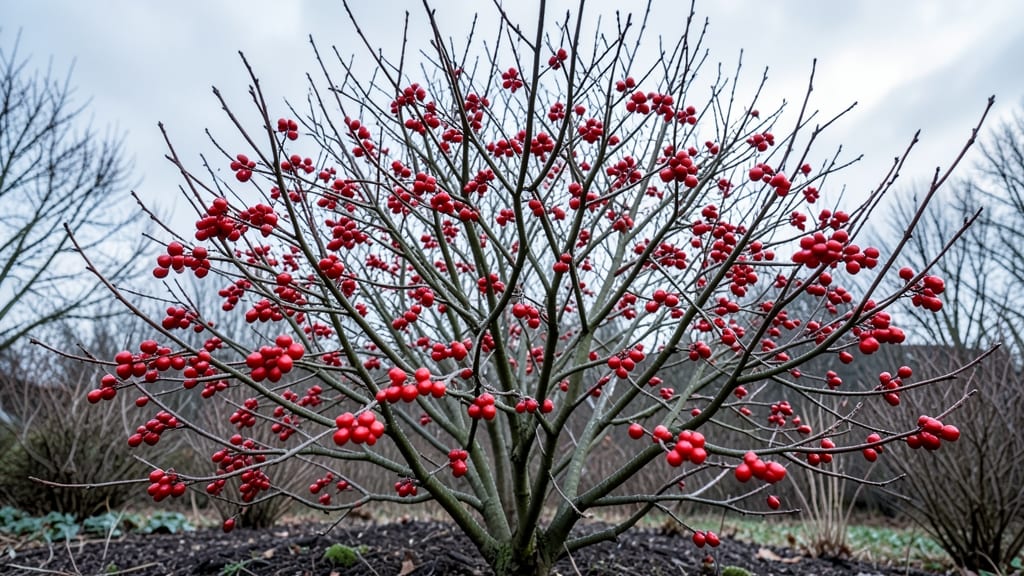
When winter's bare branches leave your garden looking dull, winterberry holly bursts onto the scene with its stunning red berries that last from late fall through winter. Unlike evergreens, this deciduous shrub provides a bold splash of color when other plants have faded, making it a standout in rain gardens where soggy soil would kill most shrubs.
Thriving in wet, even saturated soils, winterberry holly handles what other plants can't—standing water, poor drainage, and seasonal flooding. Plant it in full sun to partial shade for maximum berry production, and pair it with moisture-loving companions like buttonbush or sweet pepperbush. The berries aren't just beautiful—they're a critical food source for birds like robins, cedar waxwings, and cardinals during harsh winters.
This shrub is ideal for gardeners who want year-round interest without year-round maintenance. While it needs both male and female plants for berries, the effort pays off with vibrant winter color that brightens even the coldest days. 🌟
Cardinal Flower for Hummingbird Magnet

Want to turn your rain garden into a hummingbird hotspot? The cardinal flower (Lobelia cardinalis) delivers jaw-dropping bright red tubular blooms that act like a neon sign for these tiny pollinators. Unlike other rain garden shrubs, this native perennial thrives in moist but well-drained soils while reaching 3-5 feet tall, creating striking vertical accents that draw the eye upward.
Plant it in partial shade to full sun where it will bloom from mid-summer through fall, providing nectar when many other plants have finished flowering. The secret to success? Keep the soil consistently moist but not waterlogged—perfect for rain garden conditions. Deadhead spent blooms to encourage more flowers and watch hummingbirds hover eagerly at your garden's edge.
This showstopper is ideal for gardeners who want high-impact color with minimal effort, especially in woodland edges or near water features. Just be prepared for a flurry of winged visitors once it blooms! 🌟