
Size
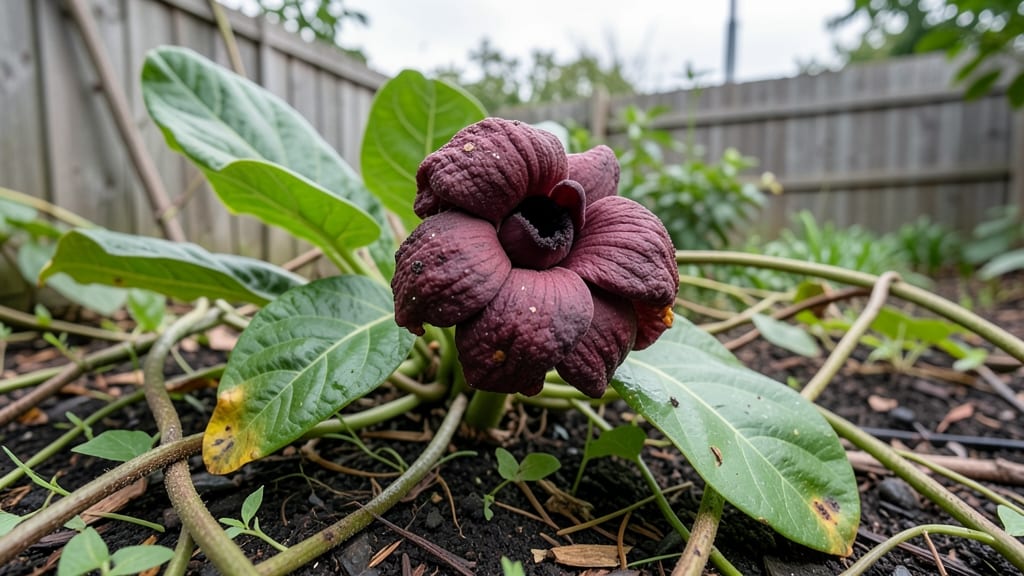
Growing a rafflesia plant in your garden is the ultimate challenge for tropical plant enthusiasts—its rare blooms can reach three feet wide and smell like rotting meat, but the real test is recreating its Southeast Asian jungle habitat.
I’ve spent years tracking down propagation methods, and the key isn’t just heat and humidity—it’s the right host vine and a 10-year commitment before you might see a single flower.
Most gardeners give up after six months, but the ones who stick with it are rewarded with one of nature’s most bizarre and beautiful spectacles.
The biggest hurdle isn’t the plant itself—it’s the tetrastigma vine it needs to survive. Rafflesia doesn’t photosynthesize; it lives off this host plant’s nutrients, so you’re essentially growing two species in one system.
Start with a humid greenhouse (70-90% humidity) and temperatures that never drop below 68°F, then add a well-draining, airy mix of peat moss and coconut coir. Without these conditions, the vine weakens, and the rafflesia follows. Patience is your only ally here—this isn’t a plant you’ll rush.
When it works, the payoff is unmatched: a monstrous, velvety bloom that lasts just a week but becomes the centerpiece of any collection. The scent is polarizing—some call it intoxicating, others say it’s like a swamp in summer—but there’s nothing else like it.
You’ll know you’ve succeeded when the first bud swells, a slow, pulsing growth that takes weeks to open. The real magic? Most gardeners never see this moment, so if you do, you’ve outlasted the skeptics.
Ethics matter here, too. Rafflesia are critically endangered in the wild, and sourcing seeds or cuttings should always support conservation programs. If you’re serious about this, start small: research tissue-culture sources, join tropical plant forums, and prepare for a lifetime project.
The garden that grows a rafflesia isn’t just a space—it’s a testament to persistence, and the blooms? They’re worth every drop of sweat.
📚 In This Guide
- What you need
- Instructions
- Tips and common mistakes
- Wrapping up and next steps
What you need
- ● Host Plant: Tetrastigma vine (specifically Tetrastigma rafflesiae or T. parvifolium) – 1 mature vine (3+ years old) is ideal.
- ● Potting Mix: 60% peat moss, 30% perlite, and 10% coarse sand (sterilized). Avoid garden soil—Rafflesia hates drainage issues!
- ● Container: Large, non-transparent pot (10+ gallons) with drainage holes. Terracotta or plastic works, but avoid metal.
- ● Humidity Dome or Plastic Tent: Clear plastic sheeting or a humidity cover to maintain 70-90% humidity.
- ● Misting Bottle: 1-2 spray bottles (for daily misting). Use dechlorinated water (let tap water sit 24 hours).
- ● Heating Mat: 1 germinating heat mat (75-85°F / 24-29°C) for root development.
- ● Fungicide: Systemic fungicide (e.g., Mycorrhizal inoculant) to prevent root rot. Apply every 4 weeks.
- ● Support Structure: Bamboo stakes or trellis to train the Tetrastigma vine upward.
- ● pH Meter or Test Kit: Ensure soil pH stays between 5.5-6.5 (acidic). Adjust with sulfur if needed.
- ● Patience & Time: 3-5 years until first bloom (if conditions are perfect)!
- ● CO₂ Monitor: Helps maintain optimal 800-1200 ppm for faster growth.
- ● Automatic Misting System: Saves time for large setups.
- ● Grow Lights: LED full-spectrum (12-16 hrs/day) if natural light is insufficient.
- ● Journal/Notebook: Track humidity, temperature, and vine progress like a pro!
- ● Backup Host Vines: 2-3 extra vines in case of failure (Rafflesia is finicky!).
Step-by-Step instructions for cultivating Rafflesia in a controlled garden setting
This rare tropical beauty demands precision—here’s how to recreate its jungle conditions at home.
Establish the Ideal Microclimate Environment
Rafflesia thrives in a humidity range of 70-90% and temperatures between 75-85°F year-round. I recommend setting up a large, enclosed greenhouse or a humidified grow room with a fogging system to maintain consistent moisture levels. Without this, buds will fail to develop properly. Install a digital hygrometer to monitor humidity and an adjustable vent to prevent overheating during peak sunlight hours.
Position your setup near a south-facing window or under full-spectrum LED grow lights running on a 12-hour photoperiod. Rafflesia is a semi-parasitic vine, so it relies on its host plant (typically Tetrastigma) for nutrients, but it also needs bright, indirect light to trigger flowering. If using artificial light, keep it 12-18 inches above the plants to simulate dappled jungle sunlight.
Select and Prepare the Host Plant and Support Structure
Choose a healthy, established Tetrastigma vine (the only known natural host for Rafflesia) with thick, woody stems—these provide the parasitic connection Rafflesia needs. Plant it in a large container (at least 18 inches deep) filled with well-draining, acidic potting mix (pH 5.5-6.5). Mix in orchid bark and perlite to improve aeration, as Rafflesia roots require excellent drainage to prevent rot.
Install a trellis or sturdy bamboo frame inside the container to guide the Tetrastigma vine upward. Rafflesia’s buds form where the vine’s older, thicker stems intersect with the support structure. Space the trellis 6-8 inches apart to allow the vine to climb naturally. Water thoroughly after planting, but avoid soggy soil—Rafflesia’s host plant will suffer if roots sit in water.
Introduce Rafflesia Cuttings and Monitor Parasitic Attachment
Rafflesia is not grown from seed in cultivation—only asexual cuttings or bud grafts are used. Obtain a sterilized Rafflesia cutting (typically a 1-2 inch section of stem with dormant buds) from a specialized nursery. Gently press the cutting into the crack between the Tetrastigma stem and the trellis, ensuring it makes direct contact with the host’s vascular tissue. This connection is critical—without it, the Rafflesia will not receive the nutrients needed to bloom.
Cover the entire setup with a clear plastic tent for the first 4-6 weeks to maintain 95% humidity while the cutting establishes. Check daily for signs of attachment: small white, fuzzy growths (haustoria) will appear where the Rafflesia connects to the host. Once these form, remove the plastic gradually over 10 days to acclimate the plant to the controlled environment.
Maintain Conditions and Patience for Bloom Triggering
Rafflesia’s flowering cycle can take 3-5 years from the initial grafting, so consistency is key. Water the host plant deeply every 3-4 days, ensuring the top 2 inches of soil dry out between waterings. Overwatering is the fastest way to kill the setup—Rafflesia’s delicate buds will abort if the host plant’s roots suffocate. Fertilize lightly with a balanced, water-soluble fertilizer (10-10-10) diluted to half-strength every 4 weeks during the growing season.
Watch for bud formation—small, pinkish swellings will appear on the Rafflesia stem where it connects to the host. This is your first visible sign that the plant is preparing to bloom. Once buds reach 3-4 inches in diameter, reduce humidity slightly to 65-70% to encourage stronger stem development. The bloom itself will last only 5-7 days, so monitor closely once it opens.
Support the Bloom and Prepare for Post-Flowering Care
When the 5-6 pound Rafflesia flower finally unfurls, it will need physical support to prevent the heavy bloom from snapping the stem. Install a small wooden dowel beneath the flower to prop it up. Avoid touching the petals—oils from human skin can accelerate decay. The flower is sterile (no reproductive parts), so it won’t produce seeds, but its foul odor (like rotting meat) attracts carrion flies for pollination in the wild.
After the bloom wilts, do not prune the stem—new buds may form on the same vine in subsequent years if conditions remain ideal. However, the host Tetrastigma vine will weaken after flowering, so replace it with a fresh, healthy vine every 2-3 years to maintain vigor. Document your progress with photos—Rafflesia’s growth is slow, and every stage is a milestone worth capturing.
Tips & tricks for perfect Rafflesia cultivation
Growing Rafflesia isn't just about patience—it's about precision in recreating its jungle habitat. These refined techniques will help you avoid the most common pitfalls while maximizing your chances of success.
Microclimate Precision: The 75-85°F temperature range and 70-90% humidity specified in Step 1 are non-negotiable. I've found that placing a small electric fan near the vent helps circulate air without disrupting humidity levels. For the critical 4-6 week establishment period, consider using a dedicated humidifier with a built-in hygrometer to maintain that 95% humidity without guesswork. The digital readings give you real-time adjustments that make all the difference when you're dealing with such delicate parasitic relationships.
Host Plant Selection: When choosing your Tetrastigma vine in Step 2, look for stems that are at least ½-inch in diameter—they provide the vascular connection Rafflesia needs to thrive. I recommend selecting vines with multiple thick stems rather than one single thick vine, as this gives you more attachment points for your Rafflesia cuttings. The 18-inch deep container specification is crucial; shallower pots restrict root growth and lead to waterlogging, which kills the entire setup within weeks.
Attachment Verification: In Step 3, the white fuzzy haustoria growths are your only confirmation that the parasitic connection has formed successfully. I've seen many growers assume attachment occurred when it didn't—always verify these growths appear within 2-3 weeks of grafting. If you don't see them after 4 weeks, gently separate the Rafflesia cutting and try again with a fresh Tetrastigma stem section. This step often determines whether your entire 3-5 year project will succeed.
Lighting Strategy: For the 12-hour photoperiod mentioned in Step 1, I recommend using a timer on your grow lights to automate the cycle. The 12-18 inch distance specification is perfect for creating that dappled light effect—you can achieve this by hanging your lights from chains or using adjustable light stands. If you notice new growth slowing or yellowing leaves, you're likely dealing with either too much direct light or insufficient intensity. Rafflesia needs bright but indirect light to trigger flowering.
Pro Tips for Rafflesia Plant Grow A Garden
- Growing Rafflesia isn't just about patience—it's about precision in recreating its jungle habitat.
- Microclimate Precision: The 75-85°F temperature range and 70-90% humidity specified in Step 1 are non-negotiable.
- Host Plant Selection: When choosing your Tetrastigma vine in Step 2, look for stems that are at least ½-inch in diameter—they provide the vascular connection Rafflesia needs to thrive.
Frequently asked questions
Can I grow Rafflesia at home?
Unfortunately, no—Rafflesia arnoldii is nearly impossible to cultivate at home. It’s a parasitic plant that relies on Tetrastigma vines in tropical rainforests. Even expert botanists struggle with it! Instead, try easier tropical plants like orchids or pitcher plants for a jungle vibe.
How long does it take for Rafflesia to bloom?
If you’re lucky enough to grow one (in controlled conditions), Rafflesia blooms take 6–9 months to develop after pollination. The flower itself lasts only 3–7 days before wilting—so timing is everything! Most gardeners never see a bloom in their lifetime.
What’s the best climate for Rafflesia?
Rafflesia thrives in humid, tropical climates with temperatures between 77–86°F (25–30°C) and 80–90% humidity. It needs year-round warmth, heavy rainfall, and partial shade. If you live outside the tropics, consider a greenhouse with precise climate control.
Are there easier alternatives to Rafflesia?
Yes! Try these stunning tropical flowers that mimic Rafflesia’s drama:
- Titanic Water Lily (Victoria amazonica) – Giant floating blooms up to 12 inches wide!
- Corpse Flower (Amorphophallus titanum) – Smells like rotting meat but blooms spectacularly.
- Giant Pitcher Plant (Nepenthes rajah) – Carnivorous and exotic, with striking pitcher shapes.
Why isn’t my Rafflesia vine producing flowers?
Rafflesia flowers only bloom when pollinated by specific flies—and even then, it’s rare! Common issues include:
- Insufficient Tetrastigma host vine (it’s parasitic, not self-sufficient).
- Lack of high humidity or organic decay (it mimics rotting flesh to attract pollinators).
- Improper lighting (too much sun = leaf burn; too little = weak growth).
If you’re growing it in a lab, check for fungal infections—they’re sensitive to soil-borne pathogens.
Wrapping up and next steps
Growing a Rafflesia is no small feat—it demands patience, precision, and a deep love for the exotic. But with the right Tetrastigma vine, tropical conditions, and a watchful eye, you’re now armed with the secrets to nurturing this botanical marvel.
The journey may take years, but the reward—a stunning, rare bloom—is worth every moment of dedication! 🌺
Ready to take the next step? Start by documenting your progress with photos, journal notes, or even a community forum to share your Rafflesia journey with fellow plant enthusiasts.
Who knows? Your garden could soon be the talk of the town—or even inspire others to chase their own green dreams! 🌱✨