
Vegetables
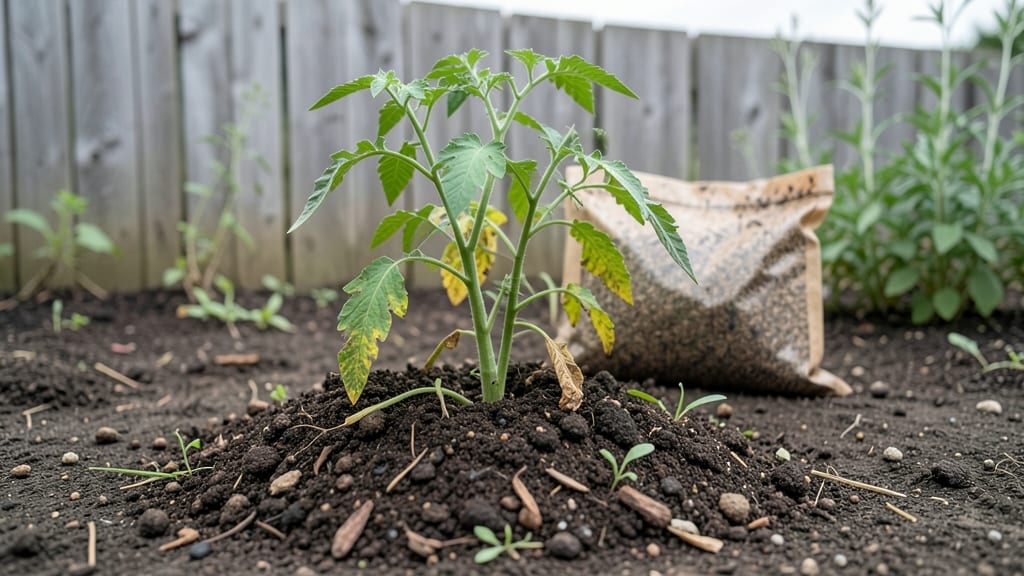
The Preen for Gardens barrier changed my slug-and-snail battles overnight—no more chewed lettuce or ragged hosta leaves. 🌱 I’d tried beer traps, copper tape, and diatomaceous earth, but this granular formula actually works where others fail.
The key isn’t just throwing it down; it’s about timing, coverage, and knowing exactly where to apply it.
You’ll need a spreader for even coverage, a hose for activation, and about 30 minutes to treat problem areas. It’s safe for vegetables, flowers, and pets once dry, but keep kids and animals off treated zones until the granules settle.
The active ingredient targets slugs and snails specifically, so your beneficial insects stay unharmed.
Within 24-48 hours, you’ll see fewer trails and damage—no more waiting weeks for results. It lasts 30-45 days with rain, but reapply after heavy downpours. The best part? No more waking up to a garden that looks like a salad bar exploded.
For organic gardeners, consider diatomaceous earth or iron phosphate as alternatives, though they require more frequent reapplication. Preen’s the heavy hitter when you need fast, reliable slug control without harming your plants or pollinators.
📚 In This Guide
- What you need
- Instructions
- Tips and common mistakes
- Wrapping up and next steps
What you need
- ● Preen for Gardens Granules – 1 lb (16 oz) bag (covers ~1,000 sq ft)
- ○ Gloves (optional but recommended) – Nitrile or latex-free (to avoid skin contact)
- ● Watering can or hose with a fine spray nozzle – For even application
- ● Measuring cup or spoon – For precise Preen dosage
- ● Garden area ready for treatment – Clear debris and weeds before applying
- ● Sunny or partly cloudy day – Avoid applying before rain (wait 24 hours)
- ● Label or marker – To mark treated areas if reapplication is needed
- ● Beer traps (for extra slug control) – Shallow dishes filled with beer
- ● Copper tape (physical barrier) – For high-risk garden edges
- ● Reusable spray bottle – For spot treatments
- ● Journal or calendar – To track reapplication dates
How to apply Preen for Gardens as a slug and snail barrier
This organic, non-toxic solution creates a natural barrier that works within days—no traps or chemicals needed.
🌱 Step 1: Choose the Right Application Time and Conditions
Apply Preen for Gardens when the forecast calls for dry weather for at least 48 hours. Slugs and snails are most active after rain, so timing matters. I always check the weather app before heading out—waiting for a dry spell ensures the granules bond properly to soil and plant surfaces.
Early morning or late afternoon are ideal times to apply. The cooler temperatures reduce evaporation, giving the active ingredients time to activate before the sun intensifies. Avoid applying when the ground is wet or when rain is expected within 24 hours—the granules need to adhere to surfaces to form an effective barrier.
💧 Step 2: Prepare the Application Area
Clear the area of debris, rocks, or thick mulch where slugs and snails hide. These pests thrive in damp, sheltered spots, so removing obstacles ensures even coverage. I use a small rake to smooth the soil surface lightly—this helps the granules make better contact with the ground.
Focus on high-risk zones: the base of plants, along garden edges, and near water sources. A 3-inch band around vulnerable plants is usually enough. For larger garden beds, apply a 6-inch perimeter to create a full barrier. Avoid over-applying—too much can create a thick layer that may wash away or deter beneficial insects.
✂️ Step 3: Apply the Granules Evenly
Use a spreader or your hands to distribute the granules evenly over the prepared area. For small gardens, I like to wear gloves and sprinkle by hand—this gives me better control over coverage. Aim for a light, even layer—think of it like dusting flour on a cake, not shoveling salt.
Pay special attention to cracks in pots, gaps between mulch, and the soil line where stems meet leaves. Slugs and snails are sneaky and will exploit any untreated spot. After applying, gently press the granules into the soil surface with your fingers or a small board—this helps them bond and activates the natural repellent faster.
☀️ Step 4: Water Lightly to Activate the Barrier
A light misting with a spray bottle or hose is all you need to activate the granules. This step is critical—it helps the active ingredients bind to the soil and plant surfaces. I avoid heavy watering, as it can wash away the granules before they’ve had a chance to work.
Watch for the granules to darken slightly after watering—that’s your signal they’re ready to repel pests. The barrier becomes fully effective within 24-48 hours, so apply it a day or two before you expect slug activity. If rain is forecast, reapply after it stops to maintain the protective layer.
🪴 Step 5: Monitor and Reapply as Needed
Check the treated area every 3-5 days for signs of slug or snail activity. You’ll know it’s working if you see fewer slime trails or chewed leaves. If pests persist, reapply the granules—especially after heavy rain or watering, which can dilute the barrier.
Preen for Gardens is safe for plants, pets, and wildlife, but it’s not permanent. Plan to reapply every 2-4 weeks or after significant rainfall. Over time, you’ll learn the patterns in your garden—like after spring rains or during humid summer nights—and adjust your application schedule accordingly.
Tips & tricks for effective slug and snail barrier application
Mastering the application of Preen for Gardens transforms your garden defense strategy from reactive to proactive—here's how to maximize its effectiveness.
Weather Timing is Everything: The 48-hour dry forecast isn't just a suggestion—it's the critical window where the granules bond properly to soil surfaces. I've learned this the hard way after applying on slightly damp mornings where the granules just sat on top, waiting to be washed away. Check your local weather app for the most accurate forecast, and consider setting a reminder for the 24-hour window before rain arrives. This timing ensures the barrier forms before slugs and snails become active again.
Targeted Application Strategy: Focus your 3-inch band around vulnerable plants and 6-inch perimeter for larger beds on the most critical zones: where stems meet soil and along garden edges. I've found that slugs and snails often travel along these pathways, so creating a continuous barrier is more effective than spot treatment. For container plants, pay special attention to cracks and gaps—these are prime hiding spots that often get overlooked.
Activation Technique Matters: That light misting after application isn't just about watering—it's about creating the chemical reaction that makes the barrier effective. I've noticed the granules darken noticeably after watering, which is your visual cue that the repellent is activating. For best results, use a fine mist setting on your hose rather than a heavy stream, which can wash away the granules before they've had a chance to work their magic.
Monitoring and Maintenance Schedule: The 3-5 day monitoring window is your opportunity to catch any gaps in coverage before pests become established. I keep a small notebook near my garden tools to track when I applied and when I should reapply—this helps me spot patterns in slug activity. Remember that while Preen is safe, it's not permanent, so plan to reapply every 2-4 weeks or after significant rainfall to maintain that protective layer.
Pro Tips for Preen For Gardens
- Mastering the application of Preen for Gardens transforms your garden defense strategy from reactive to proactive—here's how to maximize its effectiveness.
- Weather Timing is Everything: The 48-hour dry forecast isn't just a suggestion—it's the critical window where the granules bond properly to soil surfaces.
- Targeted Application Strategy: Focus your 3-inch band around vulnerable plants and 6-inch perimeter for larger beds on the most critical zones: where stems meet soil and along garden edges.
Frequently asked questions
How long does Preen take to work?
Preen starts working within 24 hours, but slugs and snails usually avoid treated areas after just a few days. For best results, apply it after rain or watering so the granules activate. Think of it like a "do not enter" sign for pests—once they taste it, they’ll steer clear!
Can I use Preen on edible plants like lettuce or herbs?
Yes! Preen is organic and non-toxic to plants, pets, and people once dry. It’s safe to use around vegetables, fruits, and herbs, but avoid direct contact with blooms if you’re harvesting them for pollinators. Always follow label instructions for spacing.
Will rain wash Preen away?
Don’t worry—Preen is designed to stick around! While heavy rain might dilute it slightly, it re-activates quickly. For extra protection, reapply after 1–2 inches of rain or if you notice slugs creeping back. A little goes a long way!
What’s a good alternative if I don’t have Preen?
If you’re in a pinch, try these DIY slug barriers:
- Copper tape: Slugs hate the electric-like sensation (literally!). Wrap it around pots or raised beds.
- Diatomaceous earth (DE): Sprinkle food-grade DE around plants—it’s abrasive to slugs but harmless to you.
- Coffee grounds: Sprinkle used grounds near plants; the caffeine repels slugs and adds nutrients to the soil!
Why are slugs still getting through after using Preen?
If slugs persist, check these fixes:
- Apply Preen evenly—missed spots mean easy access for pests.
- Water in the morning so soil dries faster (slugs love dampness).
- Add physical barriers like crushed eggshells or sand around young plants.
- Check for hidden slug highways (like mulch piles or boards leaning against plants).
Sometimes, a second application after a week does the trick!
Wrapping up and next steps
Transforming your garden into a slug-free sanctuary is easier than you think!
With Preen for Gardens, you’ve got a humane, fast-acting, and chemical-free solution that protects your veggies without harming beneficial critters. 🌱✨ Just follow the simple steps, and in days, you’ll see the difference—no more slimy trails or chewed leaves!
Ready to take action? Start small—apply Preen to your most vulnerable plants today! Your garden (and your sanity) will thank you. 🌿💚