
Pests
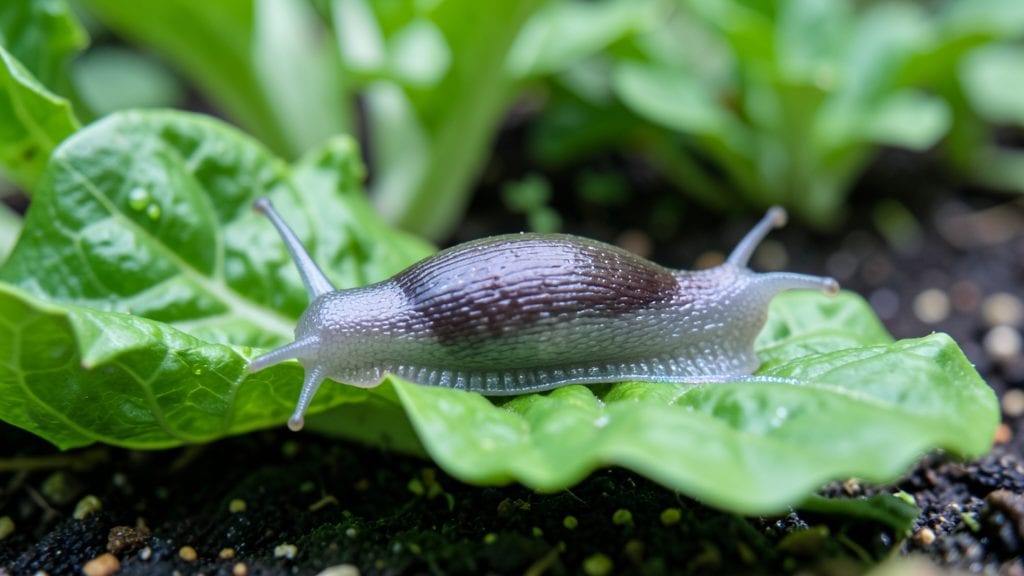
Garden slug control starts with a simple trick that works faster than you’d think. 🌿 I’ve saved entire plantings from overnight destruction using nothing but a shallow container and a few beers—no chemicals, no fuss.
The key is timing and placement, and I’ll show you exactly how to set it up for maximum effectiveness.
Slugs are drawn to the yeast and sugars in beer, but they drown before they can escape. You’ll need a container slightly taller than the slugs in your area (usually 3–4 inches deep), and you can reuse the same trap for weeks if you refresh the beer every few days.
The best part? This method is completely safe for pets, kids, and the environment—no harmful residues left behind.
Within hours, you’ll see fewer slimy trails on your hostas and lettuce. The traps work best when placed near problem areas at dusk, when slugs are most active.
Combine this with copper tape around containers for extra protection, and you’ll have a slug-free zone in no time. Let’s get those plants back to thriving.
This approach works year-round, though you’ll need to adjust trap frequency in wet seasons. For heavy infestations, I’ll also share how to combine beer traps with other natural barriers for even better results. No more waking up to skeletonized leaves!
The Hidden Triggers Behind Slug Surges
Slugs aren’t just random garden invaders—they thrive because of specific conditions you might not realize are inviting them to your yard. Understanding these triggers is the first step to outsmarting them.
Let’s break down the science behind why these slimy pests show up in force, so you can address the root causes and reclaim your plants.
Slugs are 80-90% water by weight, which means they need damp conditions to survive. Here’s why moisture turns your garden into a slug hotel:
- High Humidity + Rain: Slugs can’t survive in dry air—their slimy mucus dries out, trapping them. After heavy rain or in shaded, humid areas, they emerge to feed. A single night of rain can triple their activity.
- Poor Drainage: Gardens with compacted soil or clay retain moisture longer, creating ideal slug highways. Even mulch piles can trap moisture, turning them into slug breeding grounds.
- Irrigation Habits: Overwatering—especially at night—keeps soil damp for hours after irrigation stops. Slugs time their feeding to take advantage of this moisture window.
Actionable Fix: Test your soil’s moisture retention. If it stays damp for more than 24 hours after watering, adjust your schedule to early morning (before 10 AM) and avoid soaker hoses that create localized puddles.
Slugs are nocturnal for survival reasons—daylight dries out their mucus, and predators like birds and frogs hunt them during the day. Their nighttime raids are no accident:
- Cooler Temperatures: Slugs are most active when temperatures drop to 50–70°F (10–21°C). They avoid the heat of midday, which can kill them if they’re exposed too long.
- Higher Humidity at Night: Evening dew and reduced wind mean moisture lingers, keeping their bodies hydrated. This is why they leave trails—it’s their way of creating a “highway” of moisture to follow.
- Predator Avoidance: Birds and beetles are less active at night, giving slugs a safer window to feed. They also hide under debris (like boards or thick mulch) during the day and emerge when it’s dark.
Actionable Fix: Use UV or LED lights near high-risk areas (like hosta beds) to deter them. Slugs avoid bright light—even a simple solar-powered path light can reduce nighttime activity by 50%.
Not all plants are equal in the eyes of a slug. They’re drawn to soft, nutrient-rich foliage with high moisture content. Here’s what makes your garden a gourmet paradise for them:
| Plant Type | Why Slugs Love It | Slug Risk Level |
|---|---|---|
| Hostas, Lettuce, Kale | Thick, tender leaves with high water content (up to 90% moisture). | ⭐⭐⭐⭐⭐ (Extreme) |
| Impatiens, Dahlias, Begonias | Soft stems and flowers that are easy to chew through. | ⭐⭐⭐⭐ (High) |
| Rosemary, Lavender, Ornamental Grasses | Tough, aromatic foliage that repels slugs naturally. | ⭐ (Low) |
Actionable Fix: Plant slug-resistant varieties like Hosta ‘Halcyon’ (thicker leaves) or surround vulnerable plants with crushed eggshells or diatomaceous earth as a barrier. Pro Tip: 💡 Remove fallen leaves and fruit—they’re slug magnets!
Slugs need cover to survive daytime heat and predators. Common garden clutter creates perfect hiding spots:
- Thick Mulch Layers: More than 3 inches of mulch traps moisture and provides darkness—ideal for slug eggs (which hatch in 2–4 weeks).
- Rocks, Boards, or Pot Shards: These create microclimates where slugs rest during the day. A single 12”x12” board can hide 50+ slugs.
- Dense Ground Covers: Plants like ivy or creeping Jenny provide shade and humidity, encouraging slugs to stay year-round.
Actionable Fix: Declutter ruthlessly: Remove boards, piles of leaves, and excess mulch. Replace thick mulch with straw or pine needles (they dry out faster). Pro Tip: ✨ Shake out pots and turn over containers—slugs love nesting in them!
Now that you know why slugs are crashing your garden party, the next step is turning the tables with science-backed traps and barriers. Stay tuned!
Practical Fixes for Slug Havoc
Slugs may seem like tiny troublemakers, but with the right strategies, you can reclaim your garden in no time. Below are targeted solutions based on the most common causes of slug infestations—plus prevention tips to keep them away for good.
Slugs thrive in damp, soggy conditions, so reducing moisture is a quick win.
How to Fix It:
- 🔥 Adjust Watering: Water early in the morning (6–9 AM) to allow soil to dry faster. Avoid evening watering, which keeps the ground damp overnight.
- 👨🍳 Use Mulch Wisely: Opt for pine needles, straw, or coarse wood chips—these create airflow and prevent moisture buildup. Skip fine mulch like grass clippings, which traps humidity.
- ⏰ Drain Problem Areas: If your garden has low spots where water pools, add sand or gravel to improve drainage.
Prevention Tip: 💡 Test your soil’s moisture by sticking your finger 2 inches deep—if it’s damp, wait before watering again.
Slugs love dark, shady, and moist hiding places. Eliminate their favorite spots to force them into the open.
How to Fix It:
- 🔪 Clear Debris: Rake up leaves, boards, and thick mulch near plants. Store firewood and pots away from garden beds.
- 🌡️ Increase Sunlight: Prune overgrown plants to let more sunlight reach the soil—slugs avoid dry, sunny areas.
- 🎯 Install Barriers: Place copper tape (a natural slug repellent) around raised beds or containers. Slugs get a mild electric shock and avoid crossing it.
Prevention Tip: ✨ Keep grass short around garden edges—tall grass gives slugs cover to sneak in undetected.
If your garden lacks birds, frogs, or ground beetles, slugs multiply unchecked. Encourage their predators to do the work for you.
How to Fix It:
- 🐦 Attract Wildlife: Install a birdhouse or frog-friendly pond to invite natural slug hunters.
- 🍎 Plant Slug-Repelling Companions: Interplant garlic, chives, thyme, or marigolds—slugs dislike their strong scents.
- 🔥 Handpick at Night: Use a flashlight after dusk to spot and relocate slugs to a far-off area (like a wooded edge).
Prevention Tip: 💪 Avoid chemical pesticides—they kill beneficial insects too. Stick to organic methods.
For a quick, chemical-free solution, slugs are irresistibly drawn to beer—but they drown in it.
How to Fix It:
- 🍳 Set Up Traps: Bury small containers (like yogurt cups) filled with beer at soil level. Place them near slug hotspots (e.g., under hostas or lettuce).
- 🥘 Refresh Daily: Slugs will crawl in and get trapped. Replace beer every 24–48 hours for maximum effectiveness.
- ⏰ Best Time to Check: Early morning—slugs are most active after rain.
Prevention Tip: 🎯 Combine with other methods for long-term control. Beer traps alone won’t eliminate the problem but reduce numbers fast.
To keep slugs from staging a comeback: ✅ Rotate beer traps with iron phosphate baits (like Sluggo) for persistent infestations. ✅ Handpick eggs (tiny jelly-like clusters) from under leaves weekly. ✅ Aerate compacted soil to reduce moisture retention. ✅ Plant slug-resistant veggies like kale, Swiss chard, or radishes (they’re less appealing).
With these cause-specific fixes, your garden will be slug-free in weeks—and your plants will thank you! 🌱💚
Frequently asked questions
Why does beer work so well for trapping slugs?
Slugs are naturally attracted to the yeast and sugars in beer, which they can't resist. When they crawl into the container, they get trapped and drown because they can't climb out. The key is using a shallow container (3-4 inches deep) so they can't escape, and refreshing the beer every 24-48 hours to maintain its effectiveness.
Can I use other liquids besides beer for slug traps?
Yes! You can use milk, vinegar, or even fruit juice as alternatives. These liquids also attract slugs, but beer is the most effective because its yeast content is irresistible. Avoid using sweet liquids like soda, as they can attract other pests instead.
How do I know if my garden has a slug problem?
Look for silver trails on leaves or soil at night, irregular holes in leaves, or chewed edges on plants like lettuce and hostas. Check under boards, rocks, or thick mulch during the day—slugs hide there when it's sunny. If you see these signs, it's time to act!
Will beer traps harm pets or wildlife?
No, beer traps are completely safe for pets and wildlife! The beer doesn't harm animals, and the trapped slugs won't affect other creatures. Just make sure containers are secure so pets can't knock them over. This method is one of the most eco-friendly ways to control slugs.
How long does it take to see results with beer traps?
You can start seeing results within 24-48 hours, especially after rain when slugs are most active. For heavy infestations, combine beer traps with copper tape or diatomaceous earth for faster, long-term control. Consistency is key—keep refreshing the traps to maintain effectiveness.