
Landscaping
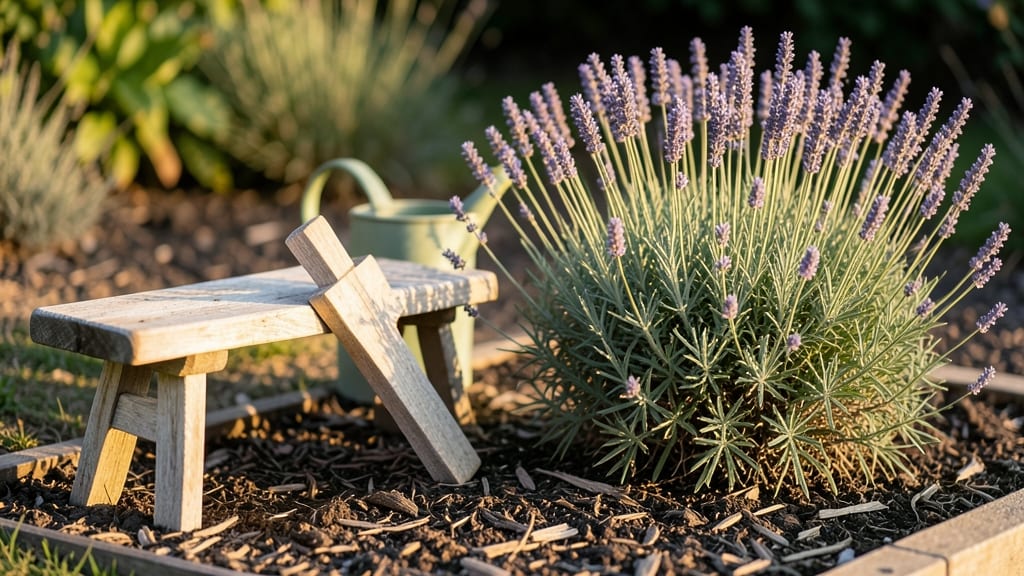
A prayer garden plan starts with quiet corners where the soul finds its voice. I designed mine after a long day—needing a space where lavender’s scent could calm my thoughts and the rustling leaves would whisper prayers instead of traffic noise.
The key isn’t perfection; it’s intention, and even a small patch can become sacred with the right plants and thoughtful touches.
You’ll want evergreen shrubs like boxwood or juniper for structure, paired with seasonal blooms: lilies for renewal, roses for love, and sunflowers to lift spirits toward the sky. A simple stone path leads to a bench facing east, where morning light spills like grace.
Water features—even a small fountain—add moving meditation, while wind chimes create gentle reminders to pause.
By autumn, your garden will feel like a living hymn: goldenrod swaying in the breeze, the crisp scent of sage, and the quiet hum of bees. Maintenance stays simple—weekly weeding, seasonal pruning, and fresh mulch keep it thriving. The real work? Showing up, just as you are.
Works in any climate—swap heat-loving bougainvillea for drought-tolerant lavender in dry regions, or choose hellebores for shade. The design adapts; the peace doesn’t. Let’s begin with the first shovel of soil.
📚 In This Guide
- What you need
- Instructions
- Tips and common mistakes
- Wrapping up and next steps
What you need
- ● Soil & Mulch: Topsoil (2–4 cubic yards, depending on garden size)
- ● Organic mulch (e.g., cedar chips, straw, or wood shavings—1–2 bags)
- ● Plants & Greenery: Native shrubs (e.g., lavender, rosemary, or boxwood—3–5 plants)
- ● Perennial flowers (e.g., lilies, marigolds, or sunflowers—10–15 plants)
- ● Grass or ground cover (e.g., clover or moss—enough to cover 50–100 sq. ft.)
- ● Pathways & Structures: Gravel or pavers (for pathways—50–100 sq. ft. coverage)
- ● Stone borders (e.g., river rocks or flagstone—1–2 bags)
- ○ Optional: Small gazebo, bench, or wooden cross (1–2 units)
- ○ Water Feature (Optional but Recommended): Mini fountain, birdbath, or small pond (1 unit)
- ● Water pump (if needed—120V, 300–500 GPH)
- ● Gardening tools: Shovel, rake, pruners, trowel, and gloves
- ● Measuring tape and string (for layout)
- ● Wheelbarrow (for hauling soil/mulch)
- ● Level (to ensure even pathways)
- ● Safety gear: Knee pads, sunscreen, and water bottle
- ● Clear the designated area (remove weeds, debris, or existing plants)
- ● Check local regulations for permits (if adding structures or water features)
- ● Plan your layout (sketch a design or use a garden planner app)
- ● Consider accessibility (e.g., wheelchair-friendly paths if needed)
- ● 🌡️ Test your soil—amend with compost if needed for better plant health.
- ● ✨ Add sensory elements like wind chimes, aromatic herbs, or soft lighting for ambiance.
- ● 🎯 Start small—focus on a central meditation area first, then expand over time.
Step-by-Step instructions for designing a prayer garden
Creating a peaceful prayer garden starts with thoughtful planning and intentional plant choices.
Choose a Quiet, Sunlit Location
Select a spot that receives at least 4-6 hours of sunlight daily—this ensures your plants thrive while providing a bright, uplifting space. I always look for areas near windows or patios where the natural light enhances the meditative atmosphere. Avoid low-lying spots where water collects, as soggy soil can stunt plant growth and attract pests.
Consider the view from your chosen location. A prayer garden should offer a sense of enclosure, so positioning it near a fence, wall, or natural barrier creates a natural boundary. If your space is exposed, add a simple trellis or lattice to soften the edges and create a more intimate feel. Test the area at different times of day to ensure it remains peaceful during both morning and evening prayers.
Outline the Layout and Key Elements
Sketch a rough design on paper, marking a central focal point—this could be a bench, a small fountain, or a simple cross. Surround this with 4-6 plants (as per your servings) arranged in a balanced, symmetrical way. I like to use an odd number of plants for visual harmony, such as three shrubs flanking a central statue or flowerbed. Leave 2-3 feet of walking space around the perimeter for easy access.
Include a few key elements: a seating area (even a simple log or cushion), a small table for prayer books or candles, and a water feature if possible. Water adds a calming sound and attracts beneficial wildlife like birds. If space is limited, a small bowl of water or a decorative urn can serve the same purpose. Position these elements so they create a natural flow when moving through the garden.
Select Plants for Year-Round Serenity
Choose plants that offer color, texture, and fragrance throughout the seasons. Start with evergreen shrubs like boxwood or dwarf holly for structure, as they provide greenery even in winter. Add perennials such as lavender, rosemary, or salvia for their soothing scents and drought tolerance. These herbs also have symbolic meanings—lavender for purity, rosemary for remembrance.
Incorporate seasonal blooms like peonies for spring, coneflowers for summer, and chrysanthemums for autumn. These flowers add bursts of color while symbolizing hope, strength, and gratitude. For winter interest, include ornamental grasses or bare-branched trees like dogwood, which create a striking silhouette against the sky. Group plants by height, with taller varieties at the back and shorter ones in front, to maintain a clean, uncluttered look.
Add Pathways and Decorative Touches
Create simple pathways using gravel, stepping stones, or mulch to guide visitors through the space. I prefer gravel because it’s low-maintenance and allows rainwater to drain naturally. If you choose stepping stones, arrange them in a winding pattern to encourage a mindful, deliberate pace. Avoid straight lines, which can feel rushed—curved paths invite contemplation.
Enhance the garden with subtle decorative elements like solar-powered lights, wind chimes, or a small birdbath. These additions create a tranquil ambiance without overwhelming the space. Place lights along pathways to highlight the garden at dusk, and hang wind chimes near seating areas to add a gentle, soothing sound. Keep decorations minimal—less is more in a prayer garden, where simplicity fosters focus and reflection.
Maintain and Refresh Seasonally
Water plants deeply 2-3 times per week during the growing season, but adjust based on rainfall. Most prayer garden plants are drought-tolerant once established, so avoid overwatering, which can lead to root rot. I check soil moisture by pressing my finger 1 inch deep—if it feels dry, it’s time to water. Mulch around plants to retain moisture and suppress weeds, which can detract from the garden’s peacefulness.
Prune plants in early spring to encourage new growth and maintain their shape. Remove spent blooms regularly to prolong flowering and keep the garden looking tidy. Every 3-4 months, assess the space for any overgrown areas or plants that need replacing. Swap out annuals for new varieties to keep the garden fresh and vibrant. A well-maintained prayer garden reflects the care and intention you put into creating it.
Tips & tricks for perfect prayer garden design
Creating a serene prayer garden requires more than just planting flowers—it's about intentional design choices that enhance tranquility and spiritual connection.
Sunlight Strategy: The 4-6 hours of daily sunlight mentioned in Step 1 is crucial for both plant health and spiritual ambiance. Position your garden where morning sunlight can gently illuminate the space during prayer times, while afternoon sun provides warmth. I've found that east-facing locations offer perfect morning light without the harshness of midday sun, creating an ideal balance for meditation.
Focal Point Selection: In Step 2, when choosing your central focal point, consider its symbolic meaning. A simple wooden cross might represent faith, while a stone bench invites quiet reflection. I recommend selecting something that resonates personally—perhaps a piece you've kept for years or a handmade item that holds special significance. This personal touch transforms your garden from decorative to deeply meaningful.
Seasonal Plant Layering: The plant selection in Step 3 works beautifully when approached as a layered experience. Start with your evergreen shrubs as the foundation, then add perennials like lavender and rosemary for their fragrance and year-round interest. For seasonal color, I suggest planting peonies and coneflowers in odd-numbered groupings (3 or 5 plants) as they create natural focal points that draw the eye. This creates visual interest throughout all four seasons while maintaining the garden's peaceful character.
Pathway Psychology: The winding pathway suggestion in Step 4 isn't just about practicality—it's about creating a mindful journey. Straight paths can feel hurried, while curved ones encourage slower movement and deeper contemplation. I've seen gardens where the pathway actually forms a gentle spiral, guiding visitors into the center before allowing them to exit through a different route. This circular design mirrors the cyclical nature of prayer and reflection.
Pro Tips for Prayer Garden Plans
- Creating a serene prayer garden requires more than just planting flowers—it's about intentional design choices that enhance tranquility and spiritual connection.
- Sunlight Strategy: The 4-6 hours of daily sunlight mentioned in Step 1 is crucial for both plant health and spiritual ambiance.
- Focal Point Selection: In Step 2, when choosing your central focal point, consider its symbolic meaning.
Frequently asked questions
Got questions about creating your prayer garden?
You’re not alone! Here are answers to the most common concerns to help you design a space that feels truly sacred and serene.
How much space do I need for a prayer garden?
A prayer garden can be as small as a 4’x4’ corner or as large as your entire backyard! Even a tiny balcony or patio can work with containers, vertical gardens, or a single meditation bench. Start small if space is limited—focus on intention over size. Pro tip: Prioritize seating, shade, and a focal point (like a fountain or statue) to maximize tranquility in any footprint.
What’s the best time of year to plant a prayer garden?
Spring and fall are ideal for planting perennials, shrubs, and trees, as temperatures are mild and rain is plentiful. For instant serenity, use container plants or drought-tolerant natives year-round. If starting from scratch, plan for a 6–12 month timeline to establish your garden—soil prep, mulching, and seasonal maintenance matter most!
How do I keep my prayer garden low-maintenance?
Choose native plants (they thrive with minimal water), mulch generously (retains moisture and deters weeds), and opt for drip irrigation or self-watering containers. Group plants by water needs and use ground covers (like creeping thyme) to reduce mowing. Troubleshooting: If leaves yellow, check for overwatering or poor drainage—adjust and amend soil as needed.
Can I incorporate religious symbols or statues into my garden?
Many prayer gardens feature crosses, Buddha statues, wind chimes, or labyrinths to align with personal or cultural traditions. Place symbols on a raised pedestal or platform to honor them, and surround them with soft materials like gravel, moss, or pebbles for a respectful, clutter-free look.
What if my climate has extreme weather (droughts, floods, or harsh winters)?
Design for resilience! Use xeric plants (like lavender or sedum) in dry areas, raised beds to prevent waterlogging, and windbreaks (like bamboo screens) for winter protection. In cold climates, choose evergreens or ornamental grasses for year-round structure. Alternative: Create a covered meditation nook with a pergola or shade sail to enjoy your garden rain or shine.
Wrapping up and next steps
Creating a prayer garden is more than just landscaping—it’s an act of love and intention, a space where serenity meets sacredness. Whether you’re designing a cozy corner or a sprawling retreat, the key is to infuse it with meaning, simplicity, and harmony.
Let your garden reflect your spirit, and don’t forget: the most beautiful spaces are those nurtured with patience and prayer.
Ready to bring your vision to life? Start small—sketch a rough layout, gather a few essentials, and take the first step today! 🌿✨ Your sacred sanctuary awaits.