
Tools
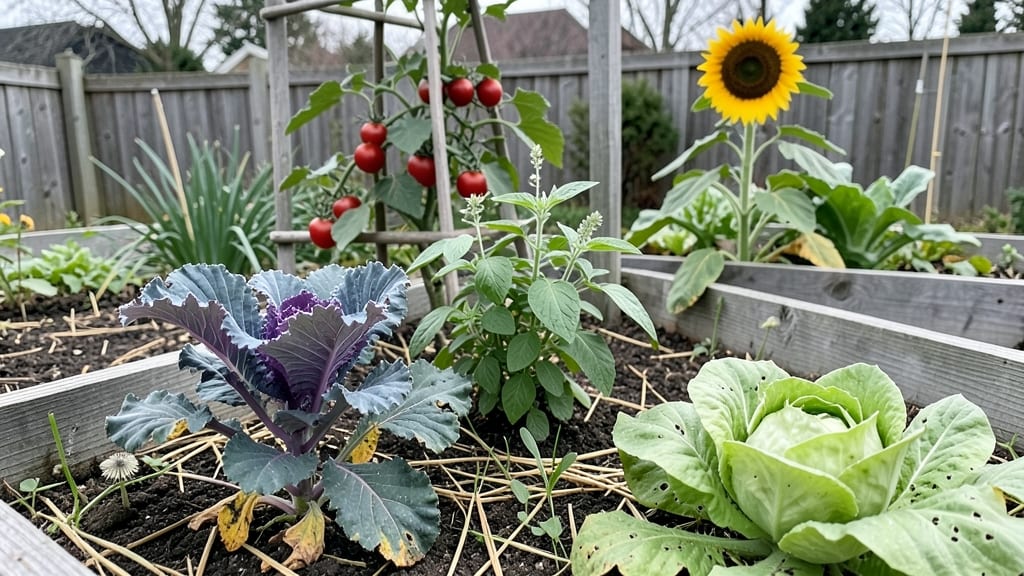
The Plano community garden transforms empty plots into lush, private sanctuaries using native perennials that thrive year-round. 🌿 I’ve spent years watching these gardens bloom—where neighbors collaborate on designs that block nosy glances while supporting local ecosystems.
The key? Layering plants like Texas sage and salvia that stay green even in winter, plus strategic placement of taller shrubs for natural screening.
You don’t need fancy tools—just a sketch pad, some string for layout guides, and a list of drought-tolerant natives from local nurseries. Most plots start with a simple grid: taller plants along fences, mid-height perennials in the center, and ground covers like creeping phlox to fill gaps.
The city even offers free workshops on native plant selection, so beginners get hands-on help before digging.
By summer, you’ll have a private garden oasis that requires almost no extra watering. The deep green foliage of yaupon holly provides year-round structure, while blooms like blackfoot daisy attract pollinators without looking like a wildflower mess.
Best of all? These plants need less care than annuals, so you’ll spend more time enjoying your space than weeding.
Plano’s community garden program makes it easy to join—just sign up online for a plot, attend a design session, and start planting. Whether you’re hiding your veggie patch or creating a peaceful retreat, this layout works for any backyard or shared space in North Texas’ climate.
Let’s make your garden both beautiful and private!
📚 In This Guide
- What you need
- Instructions
- Tips and common mistakes
- Wrapping up and next steps
What you need
- ● Native perennial plants: Choose drought-tolerant species like Salvia greggii, Lantana, or Agave (5–10 plants per 4' section).
- ● Soil amendments: 2–3 cubic yards of compost or organic matter to enrich garden beds.
- ● Mulch: 1–2 bags of wood chips or straw (1–2 inches deep) to retain moisture.
- ● Garden tools: 1 shovel (for digging)
- ● 1 rake (for leveling soil)
- ● 1 pruners (for trimming)
- ● 1 wheelbarrow (for hauling materials)
- ○ Watering supplies: 1 hose with a spray nozzle or a drip irrigation kit (optional but recommended).
- ● Garden gloves & knee pads: For comfort and protection.
- ● Erosion control: Landscape fabric or biodegradable netting to stabilize slopes.
- ● Decorative elements: Stones, trellises, or solar-powered lights for ambiance.
- ● Plant markers: Labels for tracking native species.
- ● Seasonal care: Slow-release fertilizer (spring/fall) and a soil pH tester.
Step-by-Step design for a Plano community garden layout
Here's how to create a lush, low-maintenance privacy screen using native perennials that thrive in North Texas.
🌿 Step 1: Plan Your Garden's Foundation Layer
Start with tall, sturdy perennials that provide immediate height and structure. For Plano's climate, I recommend yaupon holly (Ilex vomitoria) as your anchor plant—it grows 6-12 feet tall and handles our heat and drought once established. Space these 6-8 feet apart in a single row along your property line. This creates a natural barrier while allowing sunlight to reach lower plants.
Next, add Texas betony (Stachys coccinea) at the base of each yaupon. These 18-inch tall plants spread gently and bloom with red flowers that attract hummingbirds. Plant them 12 inches apart in front of the holly row. Their drought tolerance matches Plano's summers perfectly.
☀️ Step 2: Layer in Mid-Height Perennials for Texture
Now fill the middle space with blackfoot daisy (Melampodium leucanthum) and mealy blue sage (Salvia farinacea). Both thrive in Plano's alkaline soil and need little to no irrigation once planted. The daisies reach 12-18 inches tall with white blooms, while the sage grows 2-3 feet with striking blue flowers. Space them 18 inches apart in staggered rows behind the Texas betony.
Here's the thing—these plants self-seed happily, so you'll get free annual replenishment. Watch for the first blooms in late spring, and you'll know your layout is working when the colors create a natural gradient from front to back.
💧 Step 3: Add Ground Cover for Year-Round Interest
Cover the remaining space with horseherb (Calyptocarpus vialis) and frogfruit (Phyla nodiflora). Both spread aggressively but stay low—6-12 inches tall—creating a dense green carpet that chokes out weeds. Plant them 12 inches apart in the front row. These plants handle both our dry summers and occasional winter freezes without complaint.
Water deeply once a week for the first month to help roots establish, then reduce to every 2-3 weeks once they're settled. You'll know they're happy when their leaves stay vibrant green even during Plano's hottest months.
✂️ Step 4: Maintain Through the Seasons
In early spring, trim back any dead foliage from winter but leave the stems—many native perennials store energy in their woody bases. Cut back blackfoot daisy and mealy blue sage by one-third after they finish blooming to encourage a second flush of flowers. This keeps your privacy screen looking full without overpowering the space.
In fall, add a 2-inch layer of mulch (like pine straw) to protect roots from temperature swings. This is especially important in Plano where winters can dip below freezing. Watch for new growth from your yaupon holly—it's a sign your garden is maturing into a self-sustaining privacy screen.
🪴 Step 5: Enhance With Seasonal Accents
For spring color, tuck in bluebonnets (Lupinus texensis) along the edges—they'll naturalize and return yearly. In fall, add firewheel (Gaillardia pulchella) for its bright red blooms that last straight through winter. Both plants thrive in Plano's conditions and add pops of color without requiring special care.
Real talk: Your garden will look different in each season, but the native perennials ensure it never looks neglected. The holly provides structure year-round, while the ground covers keep everything lush between blooms.
Tips & tricks for perfect Plano community garden privacy screens
A few key strategies will help your native perennial privacy screen thrive in Plano's unique climate and transform your outdoor space into a lush, low-maintenance retreat.
Plant Placement Matters: When positioning your yaupon holly foundation plants 6-8 feet apart in Step 1, consider mature height—these will eventually form a dense wall. Plant them slightly closer to your property line than you think you'll need, since they'll fill out over time. I always mark the center of each plant's mature spread with flags before digging, so I don't accidentally plant too close to fences or structures.
Soil Prep for Plano's Alkaline Conditions: Before planting any of your native perennials, amend the soil with a 2-inch layer of compost mixed into the top 6 inches of soil. Plano's alkaline soil can be challenging for some plants, but this simple step improves drainage and nutrient availability. For the ground covers in Step 3, work in a handful of sand if your soil feels compacted—this helps those aggressive spreaders establish more quickly.
Watering Wisdom for Established Plants: After that crucial first month of weekly watering, you can reduce to every 2-3 weeks as instructed. But here's the thing: the key is deep watering. When you water, soak the soil to 12 inches deep—this encourages deep root growth that makes these plants truly drought-tolerant. I use a long-handled shovel to check moisture levels before watering again.
Seasonal Pruning Secrets: When you cut back blackfoot daisy and mealy blue sage by one-third in Step 4, focus on removing only the spent flower stalks. Leave the healthy foliage intact—it provides shade for the ground covers and helps retain moisture. For your yaupon holly, I recommend a light shaping in late winter (before new growth starts) to maintain that clean, structured look without stressing the plant.
Pro Tips for Plano Community Garden
- A few key strategies will help your native perennial privacy screen thrive in Plano's unique climate and transform your outdoor space into a lush, low-maintenance retreat.
- Plant Placement Matters: When positioning your yaupon holly foundation plants 6-8 feet apart in Step 1, consider mature height—these will eventually form a dense wall.
- Soil Prep for Plano's Alkaline Conditions: Before planting any of your native perennials, amend the soil with a 2-inch layer of compost mixed into the top 6 inches of soil.
Frequently asked questions
How do I join or reserve a plot in the Plano Community Garden?
Plots are typically assigned through a lottery system or first-come, first-served basis during open registration periods (usually spring and fall). Check the City of Plano’s website or the garden’s Facebook group for updates. Annual membership fees may apply, and some plots require a workday commitment.
When is the best time to plant perennials for year-round privacy?
For native perennials like butterfly bush, coneflower, or elderberry, plant in early spring (March–April) or fall (September–October). These timings allow roots to establish before extreme heat or cold. Mulch after planting to retain moisture—just avoid piling it against stems!
What if I can’t maintain my plot during the off-season?
Most community gardens offer plot-sharing programs or seasonal swaps. You can also designate a backup gardener or donate your plot to the garden’s maintenance fund. Some plots even have “dormant” options for perennials, where you prep soil in winter and plant later.
How do I handle pests or invasive plants in my privacy screen?
Start with prevention: Use native plants (they’re pest-resistant!) and rotate crops if growing edibles. For pests, try neem oil or introduce beneficial insects like ladybugs. If invasives (e.g., kudzu) appear, report them to Texas Parks & Wildlife—they’ll help remove them for free!
Can I add trellises or structures for vertical gardening?
Yes! Many Plano gardens allow lightweight, non-permanent structures (e.g., bamboo trellises, obelisks) as long as they’re secured against wind and don’t block pathways. Check with garden stewards first—some plots near fences may have height restrictions to avoid shading neighbors.
Wrapping up and next steps
The Plano Community Garden offers a stunning, year-round solution for privacy and beauty using native perennials—perfect for transforming your outdoor space into a thriving, low-maintenance haven. 🌿 By blending practicality with sustainability, you can enjoy lush greenery that supports local ecosystems while keeping your garden vibrant through every season.
Ready to start? Take the next step:
- Sketch your garden layout and choose native plants that thrive in Plano’s climate.
- Reach out to local gardening groups or the Plano Community Garden for expert tips and seed swaps!