
Tools
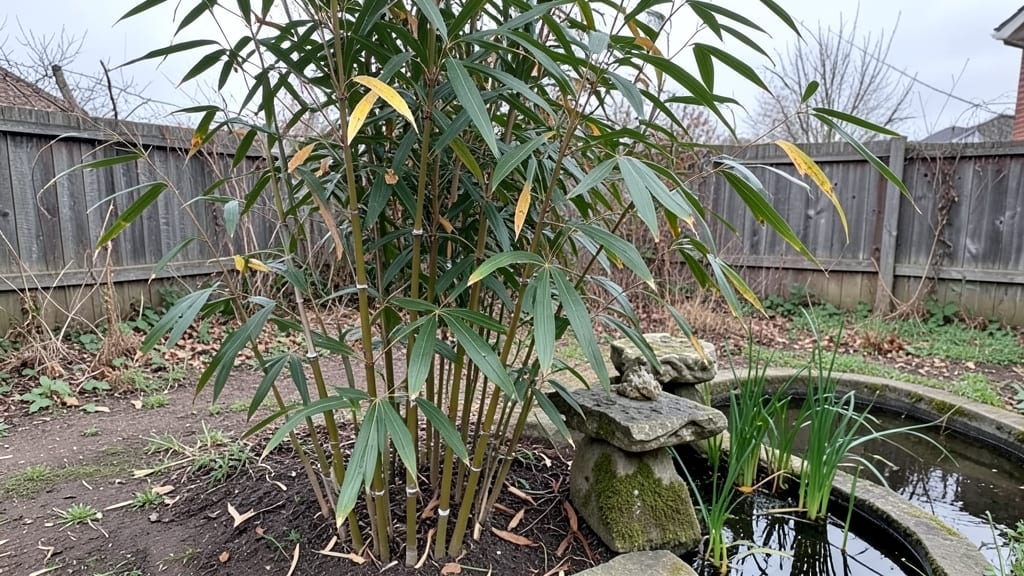
Creating a Chinese backyard garden that doubles as a lush privacy screen is like weaving a living tapestry—one that thrives year-round with minimal fuss. I stumbled upon this design after watching my bamboo and hostas grow so densely they blocked neighbors' views while requiring almost no extra care.
The key lies in layering evergreens like Japanese holly and inkberry, which stay green even in winter, with seasonal bloomers like coral bells and hydrangeas that add color without overwhelming maintenance.
The magic happens in the layout: place taller plants like ornamental grasses and bamboo along the property line, then fill gaps with mid-height shrubs and trailing perennials.
A small water feature—a simple recirculating fountain or even a shallow dish—adds the calming shui element of feng shui without needing a full pond.
My setup uses three zones: a front layer of flowering perennials for color, a middle of dense evergreens for structure, and a back row of bamboo for height and windbreak.
By late summer, you’ll have a wall of velvety foliage and delicate blooms that feels like a secret garden, not just a screen. The bamboo’s rustling in the breeze and the occasional hum of bees visiting the hydrangeas create a serene backdrop for your patio or deck.
This design works equally well in urban backyards or suburban lots—just adjust plant sizes to fit your space.
Fair warning: the first year is all about establishing roots, but after that, the upkeep is lighter than mowing. I’ve had this screen for four years now, and the only "work" involves an annual prune and occasional mulch.
The best part? Neighbors keep asking how I did it—because it looks like a high-end landscape without the high-end price tag.
📚 In This Guide
- What you need
- Instructions
- Tips and common mistakes
- Wrapping up and next steps
What you need
- ● Perennials (Privacy Screen Plants): 10–15 Bamboo (e.g., Fargesia or Phyllostachys) – 3–6 ft tall (clumping varieties preferred)
- ● 5–10 Holly (Ilex spp.) – Evergreen shrubs (3–5 ft tall)
- ● 5–8 Camellia (Camellia japonica) – 6–10 ft tall (for year-round greenery)
- ● 3–5 Boxwood (Buxus spp.) – 2–4 ft tall (for structured hedges)
- ● Soil & Amendments: 50 lbs Organic compost (for nutrient-rich soil)
- ● 20 lbs Slow-release fertilizer (balanced 10-10-10 NPK)
- ● 10 lbs Mulch (pine bark or cedar chips) (3–4 inch layer)
- ● Tools: 1 Shovel (for digging)
- ● 1 Pruning shears (sharp, bypass-style)
- ● 1 Wheelbarrow (for transporting soil)
- ● 1 Garden hose or watering can (with spray nozzle)
- ● Decorative elements: Chinese lanterns or penjing (miniature bonsai) for cultural flair
- ● Stone pathways or moon gates (for traditional aesthetics)
- ● Pest control: Neem oil spray (organic insect repellent)
- ● Birdhouses (to deter pests naturally)
- ● Comfort upgrades: Outdoor seating or a small tea pavilion for relaxation
- ● Solar-powered garden lights (for evening ambiance)
Instructions for designing a year-round privacy screen
Here's how to create a lush, evergreen privacy screen that thrives through all seasons.
Plan Your Layout for Seasonal Interest
Sketch a rough design showing the 8-foot-wide area you want to screen. I recommend using a mix of evergreen shrubs for year-round coverage and deciduous perennials for seasonal color. Place taller plants like Holly or Boxwood at the back, where they'll reach 6-8 feet tall, and shorter perennials like Hosta or Heuchera in the front. This layered approach ensures no gaps appear as seasons change.
Mark planting locations with stakes, spacing them 3-5 feet apart depending on the plant's mature size. Check each plant's tag for its mature width—crowding now will lead to competition later. I like to stagger plants in a slightly staggered pattern for a more natural, less geometric look. This prevents the screen from appearing too uniform and helps light penetrate to the center.
Prepare the Soil for Long-Term Health
Remove any grass or weeds from the planting area, digging down 12 inches deep to loosen compacted soil. Amend the soil with 3 inches of compost mixed into the top 6 inches of soil. This improves drainage and provides essential nutrients for root development. If your soil is particularly heavy clay, add 1 part perlite to every 3 parts soil to prevent waterlogging.
Test the soil's pH using a simple kit—most privacy screen plants prefer a slightly acidic to neutral range (6.0-7.0). If your soil is too alkaline, work in sulfur or peat moss to adjust it gradually. Avoid quick fixes like lime, which can throw off the balance for years. Water the amended soil thoroughly before planting to help it settle and eliminate air pockets.
Plant for Structure and Texture
Dig holes twice as wide as the root ball but no deeper—planting too deep can suffocate roots and lead to rot. Gently remove each plant from its container and loosen the roots if they're circling tightly. Place the plant in the hole so the top of the root ball sits level with the surrounding soil. Fill the hole with soil, pressing lightly to remove air gaps but not compacting too firmly.
Water each plant immediately after planting to help the soil settle around the roots. Mulch the base of each plant with 2-3 inches of shredded bark or wood chips, keeping the mulch 3 inches away from the stem to prevent rot. This mulch layer retains moisture, suppresses weeds, and regulates soil temperature. I like to water deeply one more time after mulching to encourage root growth into the amended soil.
Maintain for Year-Round Privacy
Water newly planted shrubs deeply 2-3 times per week for the first 4-6 weeks, then taper to once a week once established. Mature plants typically need water only during prolonged dry spells. Prune Holly and Boxwood lightly in late winter or early spring to shape the screen, removing any dead or crossing branches. For perennials like Hosta, cut back dead foliage in early spring before new growth appears.
Fertilize in early spring with a balanced, slow-release fertilizer to support new growth. I avoid high-nitrogen fertilizers, which can lead to excessive leafy growth at the expense of flowering or fruit. Monitor for pests like aphids or spider mites, treating affected plants with neem oil or insecticidal soap if needed. A well-maintained screen should provide full privacy within 2-3 years as plants mature.
Tips & tricks for designing a year-round privacy screen
A few strategic choices will transform your backyard privacy screen from functional to stunning. Here's what I've learned from years of designing and maintaining these living barriers.
Layering for Seasonal Harmony: In Step 1, when planning your 8-foot-wide screen, consider adding a third layer of evergreen ground cover like Creeping Juniper or Dwarf Mondograss at the base. This creates a seamless transition from bottom to top while preventing light gaps that often appear during winter when deciduous plants lose their leaves. The key is maintaining that 3-5 foot spacing between plants—closer spacing for ground covers (2-3 feet) and wider spacing for taller shrubs (5 feet) prevents overcrowding as they mature.
Soil Preparation Secrets: The 12-inch deep soil amendment in Step 2 is non-negotiable, but here's the detail most people miss: After mixing in your 3 inches of compost, create a "soil sandwich" by placing a 2-inch layer of coarse sand at the bottom of each hole before adding the amended soil. This improves drainage at the root level while preventing waterlogging, especially important for clay-heavy soils. I've seen plants struggle when this step is skipped, particularly in rainy climates where poor drainage leads to root rot.
Planting Precision: When you're planting in Step 3, pay special attention to the root flare—the area where roots transition to the stem. The instructions mention leveling with surrounding soil, but what's critical is that this flare should be slightly above ground level. Many gardeners plant too deep, which suffocates the plant. To check, gently pull on the plant after placing it in the hole—if it resists, it's too deep. Water immediately after planting to help settle the soil around those roots, then wait 24 hours before applying mulch to prevent rot.
Maintenance Shortcuts: For the ongoing care in Step 4, consider installing a simple drip irrigation system during the initial planting. This delivers that deep, infrequent watering (2-3 times per week for the first 6 weeks) without the effort of hand-watering. I've found that plants established with drip irrigation require less supplemental watering once mature, particularly during drought periods. And for pest control, introduce ladybugs or praying mantises to your garden—they're natural predators for aphids and spider mites and require no chemical intervention.
Pro Tips for Chinese Backyard Garden
- A few strategic choices will transform your backyard privacy screen from functional to stunning.
- Layering for Seasonal Harmony: In Step 1, when planning your 8-foot-wide screen, consider adding a third layer of evergreen ground cover like Creeping Juniper or Dwarf Mondograss at the base.
- This improves drainage at the root level while preventing waterlogging, especially important for clay-heavy soils.
Frequently asked questions
Got questions about creating a lush, low-maintenance Chinese backyard garden?
Here are answers to the most common ones to help you get started with confidence!
What are the best low-maintenance perennials for a Chinese-style privacy screen?
A mix of Bamboo (Fargesia spp.), Hollyhocks (Alcea rosea), Hydrangeas (Hydrangea macrophylla), and Boxwood (Buxus sempervirens) thrives in this setting. These plants require minimal pruning, tolerate partial shade, and grow densely for year-round privacy. Pro tip: Pair them with Ligustrum for fast, evergreen coverage!
How long does it take for a Chinese backyard garden to provide full privacy?
Most perennials like bamboo and boxwood reach maturity (6–8 feet tall) in 2–3 years, while faster growers like Ligustrum or Privet can offer partial privacy in 1 year. Plan for staggered planting to fill gaps quickly. Patience pays off!
Are there affordable alternatives to expensive Chinese garden plants?
Yes! Opt for Native shrubs like Weigela or Spirea, which mimic the layered look of traditional Chinese gardens at a fraction of the cost. Bonus: They’re hardier and often pest-resistant. Check local nurseries for budget-friendly bundles!
How do I protect my Chinese garden from pests or harsh weather?
Use mulch (straw or wood chips) to retain moisture and deter weeds. For pests, neem oil or soapy water sprays work wonders. In winter, wrap young plants with burlap to shield them from frost. Prevention is key!
What’s the ideal spacing for planting a dense privacy screen?
| Plant Type | Spacing (Feet) |
|---|---|
| Bamboo | 3–5 ft (clumping varieties) |
| Boxwood/Hollyhock | 2–3 ft |
| Ligustrum/Privet | 4–6 ft (fast growers) |
Tight spacing = quicker privacy!
Adjust based on mature plant size.
Wrapping up and next steps
A Chinese backyard garden isn’t just a privacy screen—it’s a serene, low-maintenance oasis that thrives year-round with the right perennials. From Bamboo and Hydrangeas to Camellias and Boxwood, these plants offer beauty, resilience, and minimal upkeep, making them perfect for any gardener.
Whether you're a beginner or a seasoned green thumb, this approachable guide gives you the tools to create a lush, peaceful retreat without the hassle.
Ready to transform your space? Start small—pick one or two perennials from our list, gather your materials, and dive in! Your future self (and neighbors) will thank you for the private, picturesque haven you’re creating. Happy gardening! 🌿✨