
Landscaping
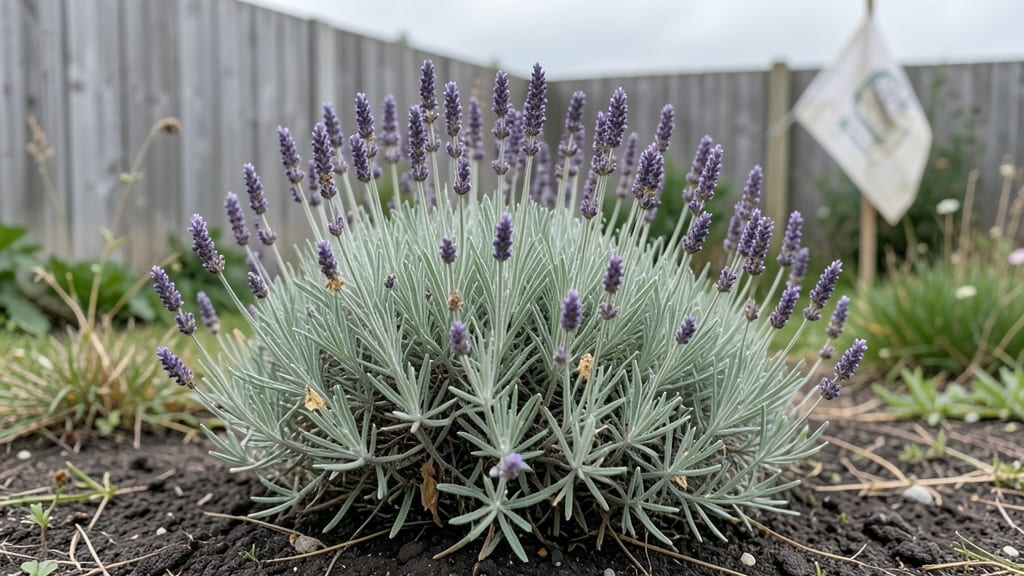
Here are pet memory garden ideas that blend beauty with purpose—each plant and path a whisper of love for your furry friend, inspired by my own garden after losing my golden retriever.
The garden became my quiet place to remember the wagging tail, the playful barks, and the unconditional love he gave.
Durable, low-maintenance plants like lavender, boxwood, and ornamental grasses thrive in most climates while requiring minimal care. Add engraved stones with paw prints or a simple wooden bench near his favorite spot—these personal touches turn the space into a living memorial.
You could even include a small fountain or wind chime for soothing sounds that feel like his presence.
The result is a peaceful retreat where every visit feels like a conversation with your pet. The scent of blooming roses or the rustle of leaves in the breeze becomes a sensory reminder of the love that stays with you forever.
This garden isn’t just about flowers—it’s about creating a legacy of joy and remembrance.
Whether you have a small backyard or a corner of your patio, the layout can be as simple or elaborate as you’d like. Start with what feels most meaningful to you—maybe a favorite toy buried under a tree or a custom plaque with their name.
The goal is to make it uniquely yours, just like your pet was uniquely theirs.
📚 In This Guide
- What you need
- Instructions
- Tips and common mistakes
- Wrapping up and next steps
What you need
- ● Soil & Mulch: High-quality topsoil (1–2 cubic yards, depending on garden size)
- ● Organic mulch (cedar or pine, 2–3 bags) to retain moisture and suppress weeds
- ● Plants & Flowers: Pet-safe perennials (e.g., lavender, marigolds, sunflowers—3–5 plants)
- ● Pet-safe shrubs or small trees (e.g., boxwood or dwarf cherry—1–2 plants)
- ○ Herbs like catnip or wheatgrass (optional, for a playful touch)
- ● Memorial Elements: Pet portrait or engraved stone (1–2 pieces)
- ○ Custom bench or planter (optional, for seating or display)
- ● Wind chimes or solar-powered lights (for ambiance)
- ● Tools: Garden shovel & trowel
- ● Pruners (for trimming)
- ● Wheelbarrow (for hauling soil)
- ● Measuring tape & gloves (for precision and comfort)
- ● Pet-friendly gravel or stepping stones (for pathways)
- ● Personalized paw-print markers or engraved bricks
- ● Water feature (small fountain or birdbath)
- ● Compost bin (to keep the garden thriving naturally)
Instructions for creating a pet memory garden
Transform your outdoor space into a peaceful tribute to your furry friends with these thoughtful steps.
Choose a Meaningful Location
Select a quiet corner of your garden that receives at least 4-6 hours of sunlight daily. This spot should feel special to you—perhaps where your pet loved to nap, play, or simply be. Avoid areas with harsh afternoon sun that could dry out plants quickly. I always look for a place with gentle shade during the hottest part of the day, where the temperature stays comfortable and the air feels calm.
Consider the layout of your garden. A small, enclosed area works well for intimate reflection, while a longer pathway invites gentle walks. Measure the space carefully—you’ll want enough room for the plants you choose, plus a few extra inches for easy maintenance. If your garden has uneven terrain, level the ground slightly to create a smooth surface for walking or sitting.
Design the Layout with Personal Touches
Sketch a simple design on paper before breaking ground. Include key elements like a small bench, a plaque with your pet’s name, or a winding path made of stepping stones. For a 4-serving garden (enough for a cozy tribute), plan for 3-5 key features—like a memorial stone, a favorite flower bed, or a small tree. I like to place a central focal point, such as a engraved stone or a small statue, surrounded by softer elements like flowers and shrubs.
If your pet had a favorite toy or blanket, consider weaving those into the design. For example, you could outline a small bed area with low-growing plants or use a piece of fabric from their favorite blanket as a decorative border. Think about sensory elements too—maybe a small fountain for soothing sounds or a wind chime that reminds you of their playful nature. Keep the design simple but meaningful; the goal is to create a space that feels like a quiet conversation with your pet.
Plant Memorial-Friendly Flowers and Shrubs
Select plants that thrive in your climate and symbolize love, remembrance, or your pet’s personality. For example, roses represent enduring love, while sunflowers symbolize loyalty and happiness. If your pet enjoyed digging, add some low-maintenance ground covers like creeping thyme or clover to mimic their playful energy. I always include at least one evergreen shrub, like a boxwood or juniper, to provide year-round structure and a sense of permanence.
Plant in layers: taller plants like small trees or shrubs toward the back, medium-height flowers in the middle, and low-growing plants or mulch at the front. Space plants 12-18 inches apart to allow for growth and easy access for watering. Water deeply after planting to help roots establish, and add a 2-3 inch layer of mulch to retain moisture and suppress weeds. This step is where the garden truly comes to life—choose plants that reflect your pet’s spirit and the joy they brought to your life.
Add Memorial Elements and Personalize
Incorporate physical tributes that honor your pet’s memory. A custom engraved stone with their name, birthdate, and a short message is a classic choice. For a more interactive touch, add a small wooden plaque with a favorite quote or a brief story about your pet. If your pet had a unique trait—like a love for butterflies or a favorite color—reflect that in the garden’s details. For example, plant butterfly-friendly flowers like milkweed or lavender, or add colorful ribbons tied to branches.
Consider adding a small bench or chair where you can sit and remember. Place it near a plant that blooms at a special time of year, like your pet’s birthday or anniversary. You might also include a small bird feeder if your pet loved watching birds, or a wind spinner that catches the breeze. The key is to create a space that feels like a quiet, personal retreat—a place where every element tells a story about your pet’s life.
Maintain the Garden as a Living Tribute
Visit your pet memory garden regularly to tend to the plants and keep the space vibrant. Water deeply once a week (or more often in hot weather) to keep the soil moist but not soggy. Prune dead flowers and overgrown branches to encourage healthy growth and maintain the garden’s neat appearance. I like to set a reminder for seasonal tasks, like fertilizing in spring or adding fresh mulch in fall, to keep the garden thriving year-round.
Over time, the garden will evolve naturally. New plants will grow, flowers will change with the seasons, and the space will feel even more like a living tribute. Encourage family or friends to contribute to the garden’s upkeep—perhaps by planting a favorite flower or adding a small decoration. This shared effort turns the garden into a communal space for healing and remembrance. With each visit, you’ll find new ways to connect with your pet’s memory, making the garden a lasting gift of love.
Tips & tricks for creating a meaningful pet memory garden
A few thoughtful touches can transform your garden into a heartfelt sanctuary for remembering your beloved pet. Here's what I've learned from creating these special spaces over the years.
The Sunlight Secret: While the instructions mention 4-6 hours of sunlight, I've found that morning sun with afternoon shade creates the perfect balance. Early morning sunlight helps plants thrive without the risk of drying out quickly, especially in hot climates. If your garden gets intense afternoon sun, consider adding a small trellis with climbing plants to provide natural shade while keeping the area open and inviting.
Designing with Purpose: When planning your 3-5 key features, I recommend starting with the focal point first. That engraved stone or small statue becomes the heart of your garden, so place it where you'll naturally sit or pause when visiting. For example, position it near where you imagine sitting with a cup of tea, looking out at the space you created together. This intentional placement makes every visit feel more meaningful.
Plant Selection Wisdom: The 12-18 inch spacing between plants is perfect, but I've discovered that grouping plants with similar water needs together saves time during maintenance. For instance, place your sunflowers and roses near each other since they'll need regular watering, while more drought-tolerant plants like lavender can go in a separate section. This zoning makes your weekly watering routine much more efficient while keeping your garden looking its best.
Personal Touch Ideas: In Step 4, when adding those special elements, I always include at least one interactive feature. Something like a small wind chime that catches the breeze or a bird feeder that brings life to the space creates a dynamic tribute. These elements add movement and sound to your garden, making it feel more alive and connected to your pet's playful spirit. Consider placing these near where you'll sit to maximize their impact.
Pro Tips for Pet Memory Garden Ideas
- A few thoughtful touches can transform your garden into a heartfelt sanctuary for remembering your beloved pet.
- The Sunlight Secret: While the instructions mention 4-6 hours of sunlight, I've found that morning sun with afternoon shade creates the perfect balance.
- Designing with Purpose: When planning your 3-5 key features, I recommend starting with the focal point first.
Frequently asked questions
Got questions about creating a pet memory garden?
You’re not alone—many pet lovers want to honor their furry friends while making sure their garden thrives. Here are answers to common concerns to help you plan with confidence!
What’s the best time of year to plant a pet memory garden?
Spring and early fall are ideal! Planting in spring (after the last frost) gives flowers and shrubs time to establish roots before summer heat. Fall planting (6-8 weeks before frost) allows cool weather to encourage growth. Avoid winter—unless you’re planting dormant perennials or bulbs.
How do I choose plants that won’t spread allergens or toxins for other pets?
Opt for non-toxic, hypoallergenic plants like sunflowers, lavender, or spider plants. Avoid lilies (toxic to cats), azaleas (toxic to dogs), or strong-scented herbs like mint, which can irritate sensitive noses. Research your pet’s breed—some dogs are more sensitive to pollen than others!
Can I include a pet’s ashes in the garden without ruining the plants?
Mix ashes with soil in a small, designated area (like under a memorial stone or near a favorite plant). Use a ratio of 1 part ashes to 3 parts soil to avoid over-saturating the roots. Avoid spreading ashes near edible plants—some pets may dig them up!
What if my garden space is small or urban?
No space? No problem! Use vertical gardens (hanging planters, trellises), window boxes, or even a dedicated corner with a single memorial plant (like a rose bush). For balconies, try pet-safe herbs in pots—they’re low-maintenance and fragrant for you and your pet’s memory.
How do I keep other animals (like squirrels or cats) from digging up my memorial?
Use deterrents like mulch (pine straw or wood chips) to discourage digging. For stubborn critters, try a lightweight wire mesh buried shallowly around the garden. Planting thorny or prickly plants (like barberries) can also act as natural barriers—just ensure they’re pet-safe!
Wrapping up and next steps
Creating a pet memory garden is a beautiful way to honor your furry friend’s legacy while nurturing your own peace.
Whether you choose a cozy corner with their favorite flowers, a memorial stone, or a playful bench shaped like their breed, these spaces become sanctuaries of love and remembrance. 🌿❤️
Now that you’re inspired, take the next step: sketch a simple layout or visit a local nursery for pet-friendly plants. Start small—even a single planter can spark joy. Your pet’s memory deserves to grow, just like the garden you’re creating in their honor.