
Tools
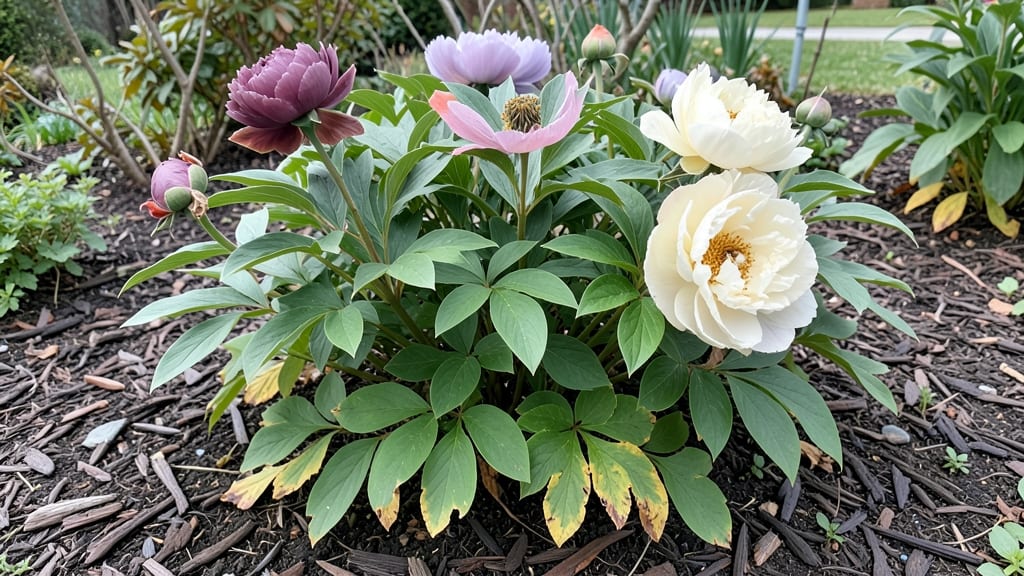
A peony flower garden blooms with bold, velvety petals that turn heads in late spring—then steals the show again in fall with its lush, deep-green foliage. 🌸 I’ve designed mine to be both a fragrant centerpiece and a low-maintenance backbone for the rest of the yard, using peonies as the star in a supporting cast of perennials that keep color going all season.
The key is pairing peonies with the right neighbors: lavender for height contrast, catmint for texture, and daylilies for summer color while the peonies rest.
My garden’s layout follows a simple rule—place peonies where they get 6+ hours of sun and 2 feet of space between each plant, then fill the gaps with shorter perennials to create layers. The result? A garden that feels intentional from every angle.
You’ll love how peonies reward patience—blooms get bigger each year, and their fragrance lingers in the evening air. The trade-off? They’re slow to establish, so give them 2-3 seasons before expecting peak performance. But once they’re happy, they’ll outshine any other perennial with their 3-inch-wide blooms and 5-foot-tall presence.
This design works for cottage gardens, formal borders, or even small urban spaces—just adjust the scale. Peonies thrive in zones 3-8, so whether you’re in the Pacific Northwest or the Midwest, they’ll be the backbone of your garden’s drama. Let’s get planting!
📚 In This Guide
- What you need
- Instructions
- Tips and common mistakes
- Wrapping up and next steps
What you need
- ● Peony plants: Choose between herbaceous (die back in winter) or tree (evergreen) varieties. Aim for 3–5 plants per 100 sq. ft. for a full, romantic look.
- ● Well-draining soil: Peonies thrive in loamy, slightly alkaline soil (pH 6.5–7.5). Amend clay or sandy soil with 2–3 inches of compost or aged manure.
- ● Fertilizer: Use a balanced, slow-release fertilizer (10-10-10) or organic options like bone meal or fish emulsion (apply in early spring).
- ● Mulch: 2–3 inches of organic mulch (straw, shredded bark, or wood chips) to retain moisture and regulate soil temperature.
- ● Watering can or hose: Peonies need 1–1.5 inches of water per week (deep watering 2–3 times per week during dry spells).
- ● Garden gloves & trowel: For planting and maintenance.
- ● Pruners (sterilized): Sharp, clean pruners to trim dead foliage in fall and shape plants in early spring.
- ○ Stakes or supports (optional): For herbaceous peonies, use bamboo stakes or peony rings to prevent flopping stems (especially in windy areas).
- ● Peony-specific soil mix: Pre-mixed bags designed for perennials or bulbs for easier planting.
- ● Slow-release watering system: Drip irrigation or soaker hoses to automate watering.
- ● Epsom salt: A tablespoon per plant in early spring boosts magnesium for vibrant blooms.
- ● Companion plants: Pair peonies with lavender, catmint, or roses for a cohesive, fragrant garden.
- ● Decorative garden flags or markers: To label varieties and track planting dates.
How to design a stunning peony flower garden
Peonies bring timeless beauty and intoxicating fragrance to any landscape—here’s how to create a showstopping display that thrives for decades.
🪴 Step 1: Choose the Perfect Planting Site
Peonies demand full sun—at least 6-8 hours of direct light daily—to produce their lush, abundant blooms. I always scout the sunniest corner of my garden, avoiding spots where trees or structures cast shade later in the day. The soil must drain well; peonies despise soggy roots, which lead to rot and lost blooms.
Test drainage by digging a 12-inch hole—if water pools after 30 minutes, amend the soil with 2-3 inches of coarse sand or perlite before planting. Peonies also appreciate slightly acidic to neutral soil (pH 6.5-7.0), so a soil test kit ensures optimal growing conditions. Mark the location with stakes to avoid disturbing roots during installation.
🌱 Step 2: Plant Bare-Root Peony Crowns Correctly
Peonies arrive as dormant bare-root crowns, and planting depth is critical. The eyes (buds) should sit 1-2 inches below the soil surface—burying too deeply stunts blooms, while planting too shallow exposes crowns to frost damage. I dig a hole 18-24 inches wide and deep, loosening the soil at the bottom to encourage root spread.
Place the crown in the center, spreading roots outward like a starfish. Fill the hole halfway, then water deeply to settle the soil. Top off with the remaining mix, pressing gently to eliminate air pockets. Mulch with 2-3 inches of shredded bark, keeping it 4 inches away from the crown to prevent rot. Water thoroughly after planting to help roots establish.
☀️ Step 3: Provide Season-Long Care for Peak Blooms
Peonies are low-maintenance once established, but consistent watering in their first year is key. Water 1-2 times per week during dry spells, aiming for 1 inch of moisture per week—deep soaks encourage strong root growth. Avoid overhead watering when blooms appear; wet petals attract fungal diseases like botrytis.
Fertilize lightly in early spring with a balanced 10-10-10 formula (use ¼ pound per 100 square feet). I skip heavy feeding after the first year—peonies thrive on neglect once roots are deep. Deadhead spent blooms by cutting stems back to the first set of healthy leaves, but never cut into the woody base, as this weakens next year’s buds.
✂️ Step 4: Prune and Divide for Long-Term Health
Prune in late fall or early spring before new growth appears. Remove all foliage at ground level to prevent disease, but leave the stems—this allows sunlight to reach the crown and signals dormancy. Every 3-5 years, divide overcrowded clumps in early fall to rejuvenate blooms. Dig up the plant, separate into sections with 3-5 eyes per division, and replant immediately.
Here’s the thing—never divide peonies in their first 3 years, as this stresses young plants and delays flowering. If you see fewer blooms over time, division is your answer, but patience pays off. After replanting, water deeply and mulch to protect roots during winter.
⏰ Step 5: Protect and Enjoy Year-Round
Peonies are hardy to USDA Zone 3, but young plants benefit from a 4-6 inch layer of mulch in winter to insulate roots. I add straw or pine needles in late fall, pulling it back in early spring to prevent rot. Watch for peony leaf blight (brown spots on foliage)—remove infected leaves immediately and avoid overhead watering to prevent spread.
The real magic happens in late spring, when fragrant blooms emerge. Stake tall varieties if needed, and harvest flowers in the early morning for the longest vase life. With proper care, your peony garden will reward you for decades, becoming the centerpiece of your landscape.
Tips & tricks for perfect peony flower gardens
Creating a stunning peony garden isn't just about planting—it's about understanding the subtle details that make all the difference. These insights will help you avoid common pitfalls and maximize your peonies' potential for decades of beauty.
Sunlight Strategy: Those 6-8 hours of sunlight are non-negotiable, but here's the thing—morning sun is ideal. I always position peonies to catch the gentle morning rays first, which helps prevent afternoon wilting. If you're working with partial shade, choose varieties like 'Sarah Bernhardt' that tolerate slightly less light better than others.
Planting Depth Precision: The 1-2 inch depth for eyes is critical, but don't guess—use a ruler to measure from the soil surface to the top of the crown. I've seen gardeners bury crowns too deeply, which leads to sparse blooms, or plant too shallow, risking frost damage. For extra insurance, mark the planting depth with a small stake before filling in.
Watering Wisdom: That 1-2 times per week guideline works for average conditions, but your actual needs depend on rainfall and soil type. I test moisture by sticking my finger 2 inches into the soil—if it's dry, it's time to water. The key is deep soaks that encourage roots to grow downward rather than shallow roots that dry out quickly.
Pruning Pro Tip: When you're ready to prune in late fall, cut back stems to just above ground level—this prevents disease while allowing sunlight to reach the crown. I've found that leaving even a small stub can harbor fungal spores over winter. For tall varieties, install stakes now rather than waiting for blooming season to avoid disturbing roots later.
Pro Tips for Peony Flower Garden
- Creating a stunning peony garden isn't just about planting—it's about understanding the subtle details that make all the difference.
- Sunlight Strategy: Those 6-8 hours of sunlight are non-negotiable, but here's the thing—morning sun is ideal.
- Planting Depth Precision: The 1-2 inch depth for eyes is critical, but don't guess—use a ruler to measure from the soil surface to the top of the crown.
Frequently asked questions
Got questions about creating or maintaining your peony flower garden? You’re not alone! Here are some of the most common queries—and their answers—to help you cultivate a stunning, fragrant display with confidence.
When is the best time to plant peonies?
Plant peonies in early fall (September–October) or early spring (March–April) for optimal root establishment. Fall planting gives roots time to settle before winter, while spring planting avoids frost heave. Avoid planting in extreme heat or cold—peonies thrive in cool soil (50–60°F).
How long does it take for peonies to bloom after planting?
Peonies are patient beauties! Expect 2–3 years of dormancy before your first blooms. Some varieties may take up to 5 years to reach full maturity, but once established, they’ll reward you with 50+ years of lush flowers. Patience pays off—think of it as a long-term investment in garden elegance!
What pests or diseases should I watch for in my peony garden?
Peonies are generally low-maintenance, but keep an eye out for:
- Peony leaf blight (grayish spots on foliage): Remove infected leaves and improve airflow.
- Botrytis blight (brown, mushy buds): Space plants 3–4 feet apart and avoid overhead watering.
- Japanese beetles (chewing on petals): Handpick them or use neem oil.
- Ants (attracted to aphids): Ants don’t harm peonies but may indicate aphids—spray with soapy water if needed.
Pro tip: Deadhead spent blooms and mulch to prevent fungal issues.
Can I grow peonies in containers or small gardens?
Yes! Choose dwarf or intersectional peony varieties (like ‘Sarah Bernhardt’ or ‘Bowl of Beauty’) for containers. Use a 5-gallon pot or larger with well-draining soil and ensure it has drainage holes. Place in full sun and overwinter the pot in a protected area (like a garage) if temperatures drop below 20°F.
Should I prune my peonies, and if so, when?
Prune peonies once blooms fade (late spring/early summer) by cutting back stems to 1–2 inches above the ground. Avoid heavy pruning in fall—it can encourage fungal diseases. Never cut into the “eyes” (buds) at the base, as this can delay or prevent future blooms. Use clean, sharp shears for the best results!
What’s the secret to getting bigger, healthier peony blooms?
Peonies love full sun (6–8 hours daily) and well-draining soil. Feed them in early spring with a balanced fertilizer (10-10-10) or compost. Avoid over-fertilizing—peonies prefer moderate nutrients. Also, stake tall stems in windy areas to prevent flopping and breakage.
Wrapping up and next steps
Creating a peony flower garden is a rewarding journey that brings year-round elegance and fragrant blooms to your outdoor space. 🌸 From selecting the right varieties to maintaining their health, every step ensures a stunning display that will be the envy of your neighborhood.
With patience and care, your peony garden will flourish, offering beauty and tranquility for seasons to come.
Ready to dive in? Start by sketching your garden layout—whether it’s a small corner or a sprawling meadow—and gather your tools.
Then, take the first step today: plant a peony or two! Your future garden awaits, and the blooms will thank you for the love and effort you put into it.