Lawn
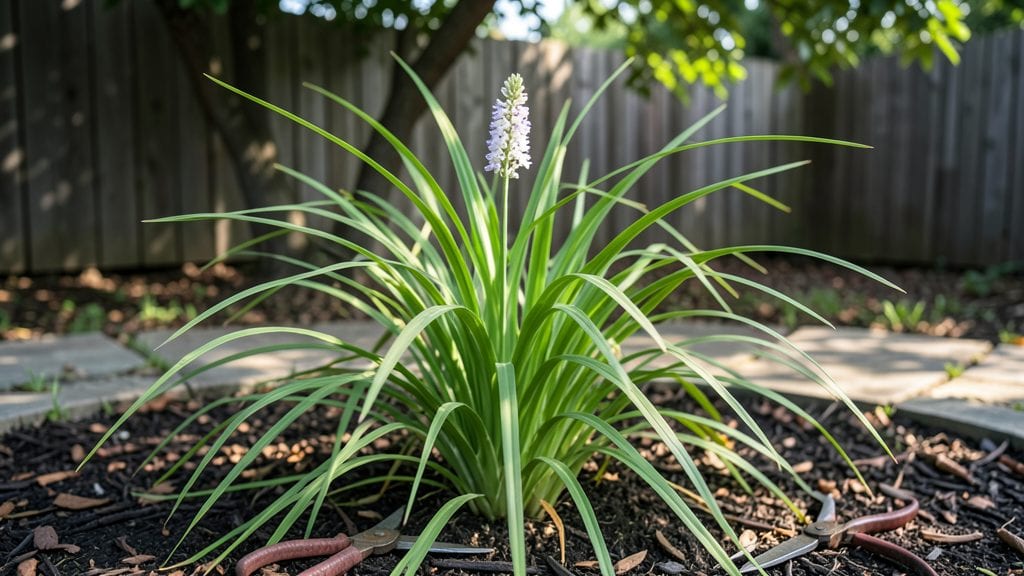
Growing lemon grass in the garden means fresh, zesty fragrance that repels pests and brightens your outdoor space all season long. 🌿 The first time I planted it, I was surprised by how quickly it spread—now it’s the star of my herb bed, thriving even in partial shade where other plants struggle.
This hardy perennial doesn’t just survive; it multiplies, giving you more than enough for cooking, teas, or even homemade candles.
You’ll need well-draining soil, a sunny spot (though it tolerates light shade), and patience—lemon grass grows slowly at first but rewards you with bold, sword-like leaves packed with citrusy aroma. Plant clumps 18–24 inches apart in spring or early fall, and keep the soil consistently moist but never soggy.
Unlike many herbs, lemon grass loves humidity and does best in warmer climates, though it can handle light frosts if mulched properly.
By midsummer, you’ll have lush clumps ready to harvest. Snip the outer stalks anytime you need them—they’ll keep growing back, and the more you cut, the bushier the plant becomes. The best part?
It spreads naturally, so you’ll soon have lemon grass popping up where you least expect it, turning your garden into a fragrant oasis. Just be ready to share (or divide) the plants before they take over!
Whether you’re growing it for the kitchen, the scent, or just the joy of watching it thrive, lemon grass is one of those plants that makes gardening feel like a reward. Start with just a few clumps, and you’ll wonder why you didn’t add it sooner.
The key is consistency—water, space, and a little neglect will only make it stronger. Ready to give it a try?
📚 In This Guide
- What you need
- Instructions
- Tips and common mistakes
- Wrapping up and next steps
What you need
- ● Lemon grass plants or seeds: 3–5 healthy Cymbopogon citratus plants (for faster growth) or
- ● 1 packet of organic lemon grass seeds (for DIY propagation).
- ● Well-draining soil: 5–10 gallons of loamy, sandy, or slightly acidic soil (pH 6.0–6.5). Mix in 1–2 cups of compost or peat moss per 5-gallon bag.
- ● Container or garden bed: Containers: 3–5 12-inch-deep pots (with drainage holes) or
- ● Garden bed: A 6-inch-deep, sunny patch (6+ ft² per plant).
- ● Fertilizer: 1 cup of balanced 10-10-10 fertilizer or
- ● 1 tbsp of fish emulsion (for organic gardens).
- ● Watering can or hose: With a fine-mist nozzle (lemon grass hates soggy roots!).
- ● Pruners: Sharp, sterilized shears (for trimming mature stalks).
- ● Mulch: 2–3 inches of straw or pine bark to retain moisture.
- ● Pest control: Neem oil spray or a row cover (to deter aphids).
- ● pH test kit: To ensure your soil is in the ideal 6.0–6.5 range.
- ● Support stakes: For tall varieties (if growing in windy areas).
How to plant and grow lemon grass in your garden
This fragrant perennial is easier to grow than you think—just follow these simple steps.
🌱 Step 1: Choose the Right Spot and Prepare the Soil
Lemon grass thrives in full sun to partial shade, so pick a spot that gets at least 4-6 hours of sunlight daily. I always plant mine near the patio or kitchen garden so I can snip fresh stems whenever I need them. The soil should drain well—lemon grass hates soggy roots, so if your garden soil is heavy clay, mix in 2-3 inches of compost to improve drainage.
Work the soil to a depth of 12 inches, removing any rocks or weeds. Lemon grass grows best in slightly acidic to neutral soil with a pH between 5.5 and 7.5. If you’re unsure about your soil’s pH, grab a test kit from your local garden center—it’s worth the peace of mind. Once the soil is prepped, rake it smooth so the roots can settle easily.
🌱 Step 2: Plant Lemon Grass Corms or Stems
Lemon grass grows from thick, knobby roots called corms or from cuttings of the lower stem. If you’re planting corms, place them 1-2 inches deep and 12-18 inches apart—this gives them room to spread without crowding. For stem cuttings, trim a 6-inch section from a healthy plant, remove the lower leaves, and plant it so that only the bottom 2 inches of the stem are buried.
Press the soil gently around the corm or cutting to remove air pockets, but don’t pack it down too tightly. Water the area thoroughly right after planting to help the roots establish. You’ll know it’s time to water again when the top inch of soil feels dry to the touch. Lemon grass is drought-tolerant once established, but young plants need consistent moisture to take root.
☀️ Step 3: Water and Maintain for Healthy Growth
Keep the soil evenly moist but not waterlogged for the first 4-6 weeks after planting. Lemon grass prefers 1 inch of water per week, either from rainfall or watering. Once the plant is established, you can reduce watering slightly—just make sure the soil doesn’t dry out completely. Mulch around the base with 2-3 inches of organic mulch to retain moisture and keep weeds at bay.
Fertilize lightly in the spring with a balanced, slow-release fertilizer to encourage lush growth. I like to use a 10-10-10 formula applied at half-strength to avoid overfeeding. Lemon grass doesn’t need much—just enough to keep it thriving without becoming leggy or overly aggressive. Watch for yellowing leaves, which can signal overwatering or too much fertilizer.
✂️ Step 4: Harvest and Prune for Long-Term Success
You can start harvesting lemon grass stems when they reach 12-18 inches tall. Use clean, sharp scissors to cut the stalks just above the lower leaves—this encourages new growth. The best time to harvest is in the morning after the dew has dried but before the sun gets too intense. You’ll get the most flavor and fragrance from fresh stems.
In late winter or early spring, trim back any dead or yellowed leaves to make room for new growth. If your lemon grass spreads too much, you can divide the clumps every 2-3 years to keep it under control. Simply dig up the corms, separate them, and replant the healthiest sections. This also helps rejuvenate the plant and prevents overcrowding.
⏰ Step 5: Protect in Cold Climates
Lemon grass is a tropical plant, so it won’t survive frost. If you live in a colder climate, dig up the corms in the fall before the first frost and store them in a cool, dry place like a garage or basement. Wrap them in a paper towel and place them in a plastic bag with small holes for airflow. In the spring, replant them once the soil has warmed to at least 60°F.
If you’re in a mild-winter zone, mulch heavily around the base of the plant with 4-6 inches of straw or leaves to insulate the roots. This helps protect the corms from freezing temperatures. With the right care, your lemon grass will bounce back every spring, ready to fill your garden with its signature citrusy scent.
Tips & tricks for perfect lemon grass growth in your garden
Here's what nobody tells you about growing lemon grass that'll make all the difference between a struggling plant and a thriving perennial.
Sunlight Secret: While lemon grass loves that 4-6 hours of sunlight daily, don't panic if your spot gets partial shade. The key is consistency—if your garden gets afternoon shade, position the plant where it catches morning sun. I've had great success with mine placed near my kitchen window where it gets filtered light through sheer curtains. The plant will grow more slowly but still produce flavorful stems.
Soil Prep Tip: That 12-inch soil depth prep isn't just about loosening dirt—it's about creating an oxygen-rich environment for the roots. I like to add a handful of perlite to the 2-3 inches of compost we mix in for heavy clay soils. This helps prevent compaction and allows water to drain properly. Think of it like giving your lemon grass a fluffy bed to settle into.
Planting Depth Matters: When planting those 6-inch stem cuttings, burying only 2 inches of the stem might seem counterintuitive, but this is crucial. The buried portion needs to stay moist while the upper part develops leaves. If you bury too much, the stem can rot before roots form. I mark my planting depth with a small stick to avoid mistakes—especially when planting multiple cuttings.
Watering Wisdom: The top inch of soil dry test is your best friend during those first 4-6 weeks. I've learned the hard way that lemon grass can be tricky—overwatering causes yellow leaves, while underwatering stunts growth. For container growing, I use a moisture meter to avoid guesswork. Once established, you'll notice the plant's leaves perk up noticeably when properly hydrated.
Pro Tips for Lemon Grass In The Garden
- Here's what nobody tells you about growing lemon grass that'll make all the difference between a struggling plant and...
- Sunlight Secret: While lemon grass loves that 4-6 hours of sunlight daily, don't panic if your spot gets partial shad...
- Soil Prep Tip: That 12-inch soil depth prep isn't just about loosening dirt—it's about creating an oxygen-rich enviro...
Frequently asked questions
Got questions about growing lemon grass in your garden?
You’re not alone! Here are answers to the most common queries—from planting to harvesting—so you can enjoy this fragrant perennial with confidence.
How do I know when lemon grass is ready to harvest?
Harvest your lemon grass when the stalks are about 12–18 inches tall and the lower leaves have turned brown. The best time is before flowering, as the flavor intensifies. Use a sharp knife to cut the stalks at the base—leave at least 3–4 inches to encourage regrowth. Store the stalks in the fridge for up to 2 weeks or freeze them for later use!
Can lemon grass survive winter in cold climates?
Lemon grass is tropical and struggles in frost (below 25°F). In colder zones, grow it in containers and move them indoors before winter or mulch heavily to insulate the roots. Alternatively, replant fresh stalks in spring. If you’re in Zone 9+, it may overwinter outdoors with protection like row covers.
What’s the best way to propagate lemon grass at home?
Propagate lemon grass using stalks or root divisions. For stalks: Trim a healthy clump, remove the lower leaves, and replant the base in moist soil. Keep the soil warm (ideally 70–85°F) and water lightly until new growth appears (2–4 weeks). For divisions: Separate mature clumps into 3–4 inch sections, ensuring each has roots, and replant. Avoid overwatering!
Why is my lemon grass turning yellow or dying?
Yellowing or dying lemon grass often signals overwatering, poor drainage, or pests. Check for:
- Root rot: Ensure pots have drainage holes and soil dries slightly between waterings.
- Pests: Inspect for aphids or mites (spray with neem oil if needed).
- Nutrient deficiency: Feed with a balanced fertilizer (10-10-10) every 2–3 months.
Can I grow lemon grass indoors near a kitchen window?
Lemon grass thrives indoors with bright, indirect light (a south- or west-facing window is ideal). Use a 6–8 inch pot with well-draining soil, water when the top inch feels dry, and rotate the pot weekly for even growth. Avoid cold drafts—keep temps above 60°F. Bonus: Fresh lemon grass adds amazing flavor to curries and teas!
Wrapping up and next steps
Growing lemon grass in your garden is a rewarding way to add fragrance, versatility, and beauty to your outdoor space—while enjoying its culinary and wellness benefits year-round! 🌿 Whether you’re a seasoned gardener or just starting, this hardy perennial is low-maintenance and packed with potential.
Now that you know the basics, tips, and answers to common questions, it’s time to roll up your sleeves and bring its citrusy charm to life.
Ready to take the next step? Start with a few clumps this season, experiment with companion plants, and soon you’ll have a thriving lemon grass patch that’s as functional as it is stunning. Happy gardening! 🌱