
Landscaping
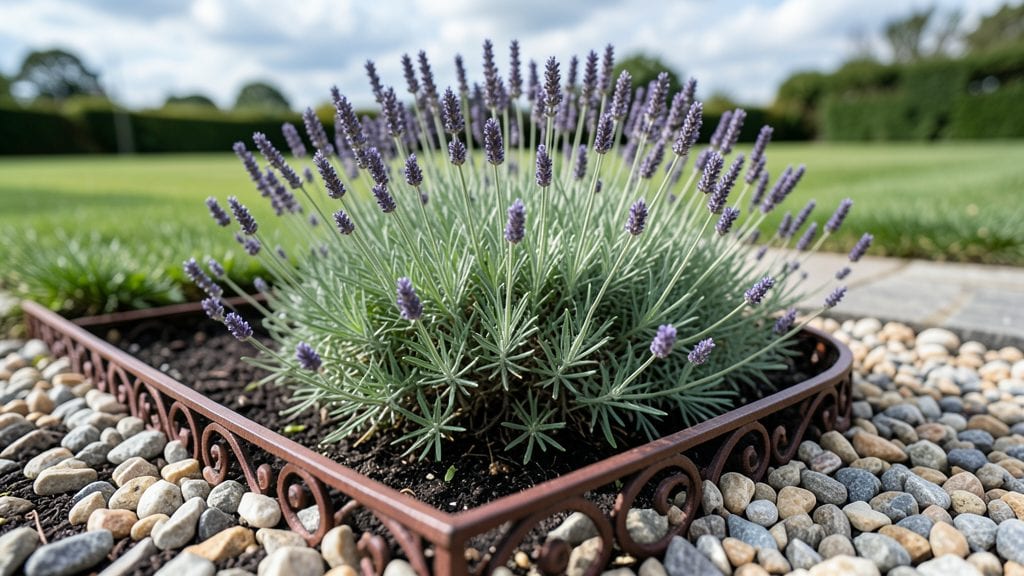
Designing a parterre garden transforms flat spaces into stunning tiered masterpieces that feel like stepping into a European palace courtyard. 🌿 I fell in love with this style after seeing how layers of hedges, gravel paths, and vibrant plants create depth without needing acres—perfect for small yards or grand estates alike.
The key is symmetry and elevation: low boxwoods frame the edges, medium-height perennials fill the center, and tall ornamental grasses add drama. Materials like crushed gravel or mulch define clean lines between tiers, while evergreens provide structure year-round.
My first attempt used three simple tiers with a gravel pathway, and the impact was immediate—neighbors asked what "magic" I'd done.
You'll end up with a garden that looks polished all season: spring bulbs peek through, summer blooms spill over edges, and fall foliage adds warm tones. The best part? It's adaptable—whether you go formal with clipped hedges or relaxed with wildflower drifts, the layered effect works.
Even beginners can nail this with the right plant spacing and edging tools.
Common mistakes? Skimping on edging or overcrowding plants—both ruin the clean lines. Start with a sketch, measure twice, and choose plants that thrive in your climate. The payoff? A garden that turns heads every season without constant upkeep. Ready to sketch your design?
📚 In This Guide
- What you need
- Instructions
- Tips and common mistakes
- Wrapping up and next steps
What you need
- ● Soil & Amendments: High-quality topsoil (2–3 cubic yards, depending on garden size)
- ● Compost or organic matter (1–2 bags per 10 sq. ft. for nutrient-rich soil)
- ● Perlite or sand (1–2 bags for drainage, if needed)
- ● Edging & Structure: Brick, stone, or metal edging (linear feet = garden perimeter + tiers)
- ● Garden borders or low walls (for tiered elevation, e.g., 6–12" high)
- ● Landscape fabric (to suppress weeds, 1 roll for small gardens)
- ● Plants & Mulch: Perennials, annuals, and shrubs (varies by design; plan for 3–5 plants per tier)
- ● Mulch (2–3 bags of shredded bark or gravel for moisture retention)
- ● Shovel & spade (for digging and soil prep)
- ● Wheelbarrow (for hauling materials)
- ● Level & measuring tape (to ensure even tiers)
- ● Garden gloves & knee pads (for comfort and protection)
- ● Pruners & shears (for shaping plants)
- ● Hose with nozzle (for watering and cleaning)
- ● Solar-powered garden lights (for evening ambiance)
- ● Decorative statues or planters (to elevate aesthetics)
- ● Drip irrigation system (for low-maintenance watering)
- ● Seasonal color boosters (e.g., potted flowers for quick updates)
Instructions: how to design a classic parterre garden
This timeless layout transforms any space into a structured, layered masterpiece—perfect for both formal gardens and cozy backyard retreats.
🪴 Step 1: Plan Your Layout and Choose a Central Theme
Start by sketching your design on paper or digitally. A parterre thrives on symmetry, so mark a central axis—this will guide all planting decisions. I like to begin with a rectangular or square shape (at least 6 feet by 6 feet) since these hold structure best. For a 4-tiered design, divide your shape into equal sections, with each tier 12-18 inches wide.
Pick a cohesive theme—whether it’s herbs and flowers, seasonal blooms, or foliage contrasts. For example, a spring-to-fall design might use tulips (spring), lavender (summer), and ornamental kale (fall). Write down your plant list before digging, so you don’t end up with mismatched colors or heights.
☀️ Step 2: Prepare the Soil and Define the Tiers
Clear the area of grass, rocks, or debris, then outline your design with landscape fabric to prevent weeds. Use a shovel and spade to carve out the tiers, keeping edges clean and sharp. The lowest tier should be the widest (about 2 feet across), and each subsequent tier should narrow by 6 inches as you rise. For a 4-tiered design, the top tier might be just 1 foot wide.
Amend the soil with 2 inches of compost mixed into the top 6 inches of earth. Parterres need well-draining soil—if your area stays soggy, add sand or perlite to improve drainage. Level each tier carefully so water runs off evenly. A garden rake helps smooth the surface before planting.
🌱 Step 3: Plant in Layers, Starting With the Tallest Elements
Begin with the back (deepest) tier, where you’ll place your tallest plants—think boxwood hedges, ornamental grasses, or tall perennials like delphiniums or hollyhocks. Space these 12-18 inches apart, depending on their mature width. For a formal look, use odd-numbered groupings (3, 5, or 7 plants per section) to create visual balance.
Move to the middle tiers, where you’ll add medium-height plants like roses, salvia, or catmint. These should be 10-12 inches tall at maturity and spaced 8-12 inches apart. Fill gaps with low-growing fillers like ajuga, creeping thyme, or dwarf ferns in the front tier. Mulch each tier with 2 inches of shredded bark to retain moisture and suppress weeds.
✂️ Step 4: Add Seasonal Color and Finishing Touches
For year-round interest, layer in bulbs, annuals, and evergreens. Plant spring bulbs (tulips, daffodils) in the fall, summer annuals (petunias, marigolds) in early spring, and fall bloomers (chrysanthemums, asters) in late summer. Use contrasting foliage—like silver lamb’s ear next to deep purple heuchera—to add texture.
Edge each tier with low borders (like creeping rosemary or boxwood) to keep the design crisp. Add garden ornaments sparingly—maybe a small obelisk or a stone urn—to anchor the space. Water deeply after planting, then once a week (or more in hot, dry weather) to help roots establish.
🌿 Step 5: Maintain Shape and Encourage Growth
Trim plants every 4-6 weeks to maintain neat edges and encourage bushier growth. Use hand pruners for small plants and hedge shears for larger ones. Cut back perennials in late fall and annuals after blooming to keep the garden tidy. Fertilize lightly in spring with a balanced, slow-release fertilizer to support steady growth.
Watch for pests or diseases—parterres are high-visibility spaces, so issues show up fast. Remove affected leaves immediately and treat with neem oil or insecticidal soap if needed. Rotate seasonal plants yearly to keep the design fresh and prevent soil depletion.
Tips & tricks for perfect parterre garden design
Creating a stunning parterre garden is all about precision and planning—here are my favorite tricks to help you avoid common pitfalls and elevate your design from good to showstopping.
The Symmetry Secret: When sketching your design in Step 1, use graph paper to map out your tiers. This visual guide ensures perfect symmetry—especially important for that classic parterre look. I like to draw my central axis first, then mirror each plant grouping across it. This method eliminates guesswork when you're actually planting.
Soil Prep Pro Tip: In Step 2, don't just amend the top 6 inches of soil—test your drainage first. Dig a small hole, fill it with water, and time how long it takes to drain. If water remains after 30 minutes, you definitely need to add sand or perlite. Well-draining soil is non-negotiable for parterres, which can suffer from root rot in soggy conditions.
Plant Spacing Strategy: For Step 3, remember that mature plant sizes matter most. Check the plant tags for "mature width" measurements and space accordingly. I always add 2-3 inches extra between plants to account for growth over time. This prevents overcrowding, which leads to poor air circulation and more pests.
Seasonal Layering Hack: In Step 4, create a simple color wheel chart before planting. Group plants by color families (cool blues/purples, warm reds/oranges, neutrals) and place them in odd-numbered clusters. This creates visual harmony while making your design feel intentional. I keep a small notebook with color combinations that work well together for quick reference.
Pro Tips for Parterre Garden Design
- Creating a stunning parterre garden is all about precision and planning—here are my favorite tricks to help you avoid common pitfalls and elevate your design from good to showstopping.
- The Symmetry Secret: When sketching your design in Step 1, use graph paper to map out your tiers.
- Soil Prep Pro Tip: In Step 2, don't just amend the top 6 inches of soil—test your drainage first.
Frequently asked questions
Got questions about creating your own parterre garden? Here are some of the most common concerns—and their answers—to help you get started!
What’s the best time of year to start a parterre garden?
A parterre garden thrives with year-round planning, but the best time to start is early spring (March–April) or fall (September–October). This gives plants time to establish roots before extreme heat or cold. If your climate is mild, you can plant in late winter for a head start!
How much does a parterre garden cost to build?
Costs vary widely based on size, materials, and whether you DIY or hire a pro. A small, DIY parterre (10’x10’) may run $500–$1,500 (soil, edging, plants). Larger or professionally designed gardens can exceed $5,000+. Pro tip: Start small and expand over time to save!
Can I use a parterre for vegetables instead of flowers?
While parterres are traditionally floral, they’re versatile. Use low-growing veggies like lettuce, herbs, or strawberries in the front tiers, and taller plants (like tomatoes or peppers) in the back. Just ensure proper spacing—veggies need room to grow, unlike compact perennials.
How do I prevent weeds from taking over my parterre?
Weeds love parterres! Prevent them with:
- Mulch (2–3” of shredded bark or gravel)
- Landscape fabric under mulch (if using gravel)
- Regular maintenance (weekly weeding)
- Ground covers (like creeping thyme or ajuga)
What are some low-maintenance parterre plant alternatives?
If you want easy-care elegance, try these drought-tolerant, low-maintenance plants:
- Perennials: Lavender, sedum, or Russian sage
- Ground covers: Creeping phlox or ice plant
- Ornamental grasses: Blue fescue or maiden grass
- Bulbs: Daffodils or alliums (plant once, bloom yearly!)
Wrapping up and next steps
A parterre garden isn’t just a design—it’s a living masterpiece that transforms your outdoor space into a layered, ever-changing work of art. 🌸 From selecting the right materials to mastering seasonal color transitions, this tiered approach proves that elegance and low-maintenance beauty go hand in hand.
Whether you’re a seasoned gardener or a beginner, the key is to start small, embrace patience, and let your creativity bloom.
Ready to turn your vision into reality? Sketch your layout today, gather your plants, and watch as your parterre garden becomes the envy of the neighborhood—one lush layer at a time! 🌿✨