
Landscaping
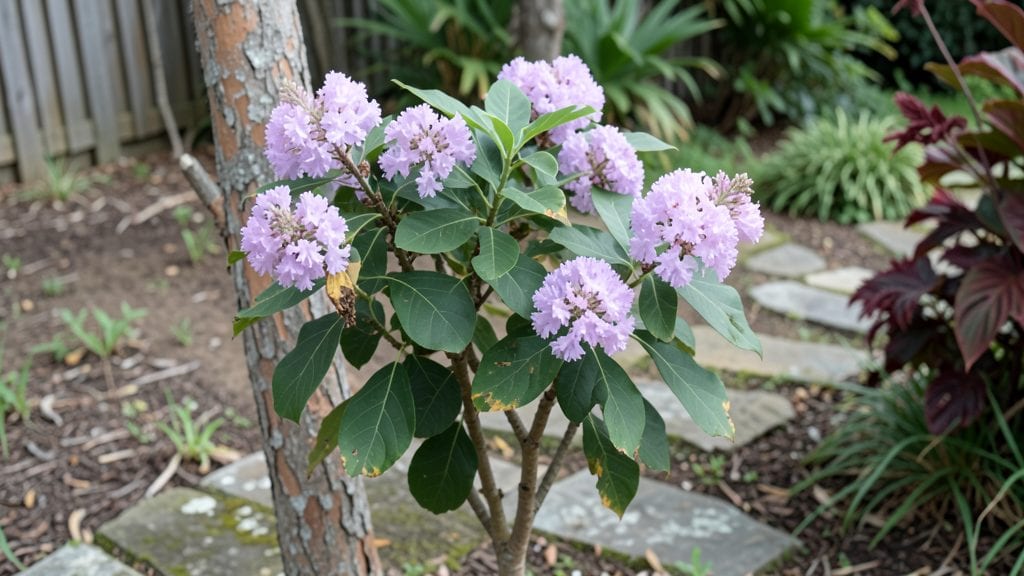
Creating a paradise gardens landscaping retreat starts with layering plants that whisper secrets of the tropics—even in your backyard. I remember the first time I walked into a lush, private sanctuary where every corner felt like a hidden escape.
The key isn’t just picking pretty plants; it’s crafting a space where foliage, textures, and scents create a living tapestry that thrives year-round.
You’ll need a mix of evergreens for structure, blooming shrubs for color, and dramatic foliage plants like palms or bird-of-paradise to anchor the look. Climate matters—humid areas can handle orchids and ferns, while drier spots need drought-tolerant succulents or agaves.
My go-to setup? A 5-foot-tall bamboo screen for instant privacy, interspersed with fragrant jasmine vines that climb trellises and spill over edges.
The magic happens in the details: a small water feature (even a 3-foot-wide pond) adds movement and sound, while winding pathways made of crushed gravel or flagstone invite exploration.
Think soft lighting tucked into shrubs and textured mulch to tie everything together—your garden should feel like a hug, not a chore. By summer’s end, you’ll have a space that feels like a vacation every single day.
Works for small urban yards or sprawling backyards—just scale the plants and features. The goal? A low-maintenance oasis where you can sip tea under a canopy of greenery or host dinner parties under twinkling fairy lights. Let’s build your own slice of paradise, step by step.
📚 In This Guide
- What you need
- Instructions
- Tips and common mistakes
- Wrapping up and next steps
What you need
- ● Foundation Plants (Tall & Structural): 6-8 Bamboo (e.g., Fargesia or Phyllostachys) – 5-6 ft tall, clumping varieties
- ● 4-6 Boxwood Shrubs (Buxus sempervirens) – 3-4 ft tall, trimmed for shape
- ● 2-3 Holly Trees (Ilex spp.) – Evergreen, 8-10 ft mature height
- ● Mid-Layer Foliage (Texture & Height): 10-12 Camellia Shrubs – 4-6 ft tall, blooms year-round in mild climates
- ● 8-10 Dwarf Gardenia (Gardenia jasminoides) – Fragrant, 3-4 ft tall
- ● 12 Heuchera (Coral Bells) – Varied foliage colors, 1-2 ft tall
- ● Ground Cover & Low Plants: 20 sq ft Ivy (English or Irish) – Fast-growing, great for climbing
- ● 15 sq ft Creeping Jenny (Lysimachia nummularia) – Golden trails
- ● 10 Hostas (varied sizes) – Shade-loving, 1-3 ft tall
- ● Soil & Mulch: 50+ bags Peat Moss or Compost – For nutrient-rich soil
- ● 30 bags Pine Straw Mulch – Retains moisture, suppresses weeds
- ● Essential Tools: Shovel & Spade (heavy-duty, 12-18")
- ● Pruning Shears (bypass, sharp & clean)
- ● Loppers (for thicker branches)
- ● Wheelbarrow (2-3 cu ft capacity)
- ● Garden Gloves (waterproof, reinforced)
- ● Measuring Tape (25 ft)
- ○ Optional (But Helpful) Upgrades: Electric or Cordless Hedge Trimmer
- ● Soil pH Tester (for optimal plant health)
- ● Drip Irrigation Kit (automated watering)
- ● Kneeling Pad (for comfort during planting)
- ● ✅ Site Assessment: Measure sunlight exposure (full sun, partial shade, or full shade) for plant placement.
- ● ✅ Soil Test: Check pH and drainage—amend with lime (for acidic soil) or sulfur (for alkaline soil) if needed.
- ● ✅ Permits (if applicable): Verify local regulations for tall plants (e.g., bamboo) or water features.
- ● ✅ Budget Planning: Prioritize high-impact plants (e.g., bamboo for privacy) before decorative elements.
Instructions for designing a lush paradise garden with privacy layers
Transform your outdoor space into a secluded retreat by layering plants for year-round visual interest and privacy.
Assess Your Space and Define Privacy Zones
Begin by measuring the area you want to enclose, noting any existing structures, slopes, or obstacles. I always sketch a rough layout to visualize how different layers will interact. For a 4-foot-tall privacy screen, you'll need a combination of tall shrubs, trees, and climbing plants to create depth. Mark your property lines clearly to avoid encroaching on neighbors' spaces—this is a common mistake that leads to disputes later.
Consider sunlight exposure throughout the day. South-facing areas get the most sun, while north sides remain shadier. Note where morning sun fades to afternoon shade—this helps you place sun-loving plants in the right spots. If your yard has slopes, factor in erosion control plants like creeping juniper or groundcover roses to stabilize the soil while adding beauty.
Select Plants for Year-Round Structure and Texture
Choose plants that offer evergreen foliage, seasonal blooms, and varying heights to maintain privacy and interest across all four seasons. Start with tall evergreens like leucothoe or emerald green arborvitae for the backbone of your screen. These plants stay lush year-round and provide the foundational height you need. For mid-layer plants, consider hydrangeas or ornamental grasses like feather reed grass, which add movement and texture without overpowering the taller shrubs.
Incorporate climbing plants like clematis or star jasmine to fill vertical gaps and soften the edges of your privacy screen. These vines train along trellises or fences, creating a natural, flowing look. I always include at least one deciduous tree, such as a dogwood or serviceberry, to provide seasonal color changes and wildlife benefits. Avoid planting all evergreens—mixing textures keeps the garden dynamic and prevents a monotonous appearance.
Plan for Seasonal Interest and Maintenance
Layer plants so that spring bloomers like azaleas or camellias emerge when deciduous trees are still bare, followed by summer perennials like black-eyed Susans or coneflowers for mid-season color. In fall, ornamental grasses and maples will take center stage, while holly bushes or winterberry shrubs provide structure and berries for wildlife during the colder months. This rotational approach ensures your garden never looks dormant.
Think about maintenance levels when selecting plants. If you prefer low-upkeep landscaping, opt for drought-tolerant shrubs like dwarf ninebark or inkberry holly, which require minimal pruning and water once established. Group plants with similar care needs together to simplify seasonal tasks. For example, place all spring-blooming shrubs near your water source so they get consistent moisture during their critical growth period.
Install Plants With Proper Spacing and Support
Dig holes twice as wide as the root ball but only as deep as the container’s base—planting too deep can suffocate roots. Amend the native soil with compost to improve drainage and nutrient retention, especially if your soil is heavy clay or sandy. Space shrubs 3-6 feet apart, depending on their mature width, to allow for airflow and future growth. I always stake taller plants immediately after planting to prevent wind damage during their first year.
Install trellises or wire frames for climbing plants before planting to avoid disturbing roots later. Secure the structure firmly into the ground or attach it to an existing fence or wall. For multi-stemmed shrubs like pots of gold euonymus, spread the stems outward when planting to encourage bushier growth. Water deeply after planting to settle the soil and eliminate air pockets around the roots—this is critical for establishing strong root systems.
Mulch and Establish a Care Routine
Apply 3-4 inches of mulch over the root zones to retain moisture, suppress weeds, and regulate soil temperature. Use wood chips or shredded bark for a natural look that blends into the landscape. Keep mulch 2-3 inches away from plant stems to prevent rot and pest issues. Replenish mulch annually as it breaks down, especially in high-traffic areas where it may compact or wash away.
Create a seasonal care calendar to track pruning, fertilizing, and watering needs. For example, prune spring-flowering shrubs right after they bloom to encourage next year’s flowers, while summer-blooming plants like butterfly bush should be pruned in early spring. Fertilize newly planted shrubs with a balanced, slow-release fertilizer in early spring and again in mid-summer. Monitor for pests like spider mites or scale, and treat early with neem oil or insecticidal soap to avoid infestations.
Tips & tricks for creating a private paradise garden
Designing a lush privacy garden takes thoughtful planning—here's how to elevate your vision from good to extraordinary.
Layering for Depth: In Step 2, when selecting your evergreen backbone like leucothoe or emerald green arborvitae, consider adding a third dimension with understory plants like Japanese forest grass or ferns. This creates visual interest at ground level while maintaining that 4-foot privacy height. The key is to space these understory plants 18-24 inches apart to prevent competition for sunlight and water.
Sunlight Strategy: During Step 1's sunlight assessment, I recommend marking your yard with colored flags rather than just notes. Use red flags for full sun areas (6+ hours), yellow for partial shade (3-6 hours), and blue for full shade (less than 3 hours). This visual system helps you quickly match plants to their ideal conditions—especially important when placing sun-loving clematis in the right spots.
Planting Support Systems: When installing trellises for climbing plants in Step 4, don't just bury the posts—create a concrete footing at least 12 inches deep. This prevents wind rock and ensures your star jasmine or clematis has stable support for years. For larger trellises over 6 feet tall, add diagonal bracing for extra stability, especially in wind-prone areas.
Seasonal Transition Planning: In Step 3's seasonal layering, I suggest creating a simple chart showing which plants provide interest during each season. For example, winterberry shrubs offer berries in fall/winter while spring-blooming azaleas provide color in early spring. This visual reference helps you spot any seasonal gaps before planting begins, ensuring your garden remains vibrant year-round.
Pro Tips for Paradise Gardens Landscaping
- Designing a lush privacy garden takes thoughtful planning—here's how to elevate your vision from good to extraordinary.
- Layering for Depth: In Step 2, when selecting your evergreen backbone like leucothoe or emerald green arborvitae, consider adding a third dimension with understory plants like Japanese forest grass or ferns.
- Sunlight Strategy: During Step 1's sunlight assessment, I recommend marking your yard with colored flags rather than just notes.
Frequently asked questions
Got questions about creating your own Paradise Gardens? We’ve got answers!
Here are some of the most common inquiries from homeowners dreaming of lush, private, year-round greenery—plus practical tips to make it happen.
What’s the best time of year to start a Paradise Gardens landscaping project?
The ideal window is early spring or fall when temperatures are mild and rainfall is steady. This gives plants time to establish roots before extreme heat or frost. Pro tip: If you’re in a warm climate (zones 8-10), winter planting can work too—just prioritize drought-tolerant species like boxwoods or camellias.
How much does a Paradise Gardens-style landscape cost, and where can I save?
Costs vary widely: $10–$30 per sq. ft. for basic layers (ground cover + shrubs) vs. $30–$100+ for high-end hardscaping (water features, custom paths). Save by:
- Skipping expensive mulch—opt for wood chips or gravel instead.
- Starting small with low-maintenance natives (e.g., holly or juniper).
- DIY-ing hardscaping with stamped concrete or stepping stones.
Can I create a Paradise Gardens look with limited space (e.g., a small yard or courtyard)?
Vertical gardening is your secret weapon—use tiered planters, trellises, or wall-mounted pockets for vines like clematis or ivy. For ground space, try dwarf varieties (e.g., miniature boxwoods) or layered containers with fern, heuchera, and ornamental grasses.
What’s the biggest mistake people make when designing a layered, private garden?
The top blunder? Ignoring light and airflow. Overcrowding invites pests (like spider mites) and disease. Fix it by:
- Leaving 12–18 inches between shrubs for airflow.
- Avoiding monoculture (planting only one species).
- Pruning aggressively in early spring to thin dense areas.
Pro tip: Test your soil first! A pH imbalance can stunt growth or attract weeds.
How do I keep my Paradise Gardens lush in winter?
Year-round greenery is possible with evergreen and semi-evergreen plants, but winter care matters:
- Mulch heavily (3–4 inches) to insulate roots.
- Water sparingly in drought-prone areas (even in winter).
- Use burlap windbreaks for delicate plants (e.g., camellias).
- Prune dead foliage in late winter to encourage new growth.
For extra drama, add winter-blooming plants like hellbore or winter jasmine.
Wrapping up and next steps
Transforming your outdoor space into a Paradise Gardens isn’t just about aesthetics—it’s about creating a serene, private retreat that thrives year-round. By layering lush plants, strategic hardscapes, and thoughtful design, you’ve got everything you need to craft a green oasis that feels like a well-kept secret. 🌿✨
Ready to roll up your sleeves? Start small—pick one corner or feature to tackle first, whether it’s a privacy hedge, a cozy seating nook, or a vibrant flower bed. Before you know it, your garden will be the envy of the neighborhood, offering both beauty and tranquility. Happy landscaping!