
Landscaping
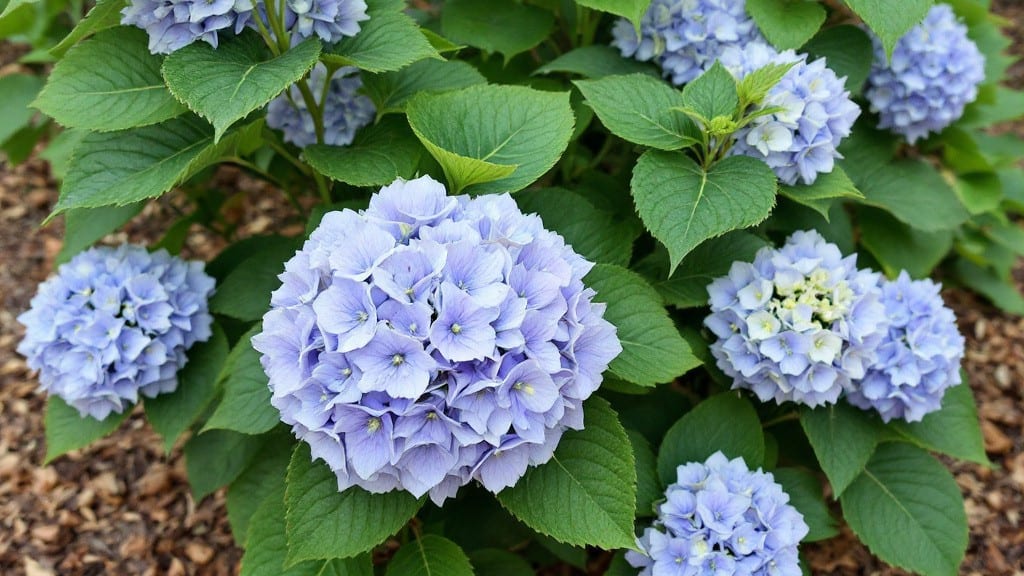
This outdoor garden idea begins with living walls that grow taller than your neighbors' fences—just like my fast-growing evergreen and vine sanctuary built last spring. 🌿 No more prying eyes or street noise, only a lush, year-round privacy thrives in every season.
The best part? It’s not just a screen; it’s a living, breathing feature that adds value and beauty to your outdoor space.
My design combines three layers of plants: a sturdy trellis base with climbing hydrangeas, a mid-height mix of boxwood and arborvitae, and a top tier of bamboo canes for extra height. The key is choosing plants that stay dense year-round, so you never feel exposed.
I also added solar-powered lights woven through the vines—because what’s more satisfying than a private garden glowing after dark?
By summer, you’ll have a cool, shaded retreat where the air smells like fresh leaves and the hum of bees replaces the sound of lawnmowers. The walls grow thick enough to block wind, too, making your patio feel like a secluded hideaway.
Plus, you’ll save on privacy fencing costs while creating a stunning backdrop for outdoor dining or relaxing.
Works for any yard size, from narrow side borders to sprawling backyard perimeters. The materials are simple—just sturdy frames, soil, and the right plant mix—and the payoff is immediate. Let’s turn your backyard into a secret garden.
Root Causes Of Privacy Failures
Understanding why privacy screens struggle in outdoor gardens is the first step to creating a lush, year-round living wall. Here’s a breakdown of the key factors that can derail your vision—along with science-backed explanations to help you avoid them.
Not all plants thrive as privacy screens, and choosing the wrong ones can lead to sparse, ineffective barriers. Growth rate, density, and seasonal behavior play critical roles.
- Slow-Growing Species: Plants like boxwoods or some ornamental grasses grow at a snail’s pace (often less than 6 inches per year).
If you need privacy in 2–3 years, these won’t cut it. - Seasonal Shedding: Deciduous trees (e.g., maples, birches) lose leaves in winter, leaving your garden exposed.
Evergreens like arborvitae or holly retain foliage but may thin out over time. - Light Requirements: Some plants (e.g., bamboo or tropical vines) need full sun, while others (like ivy or ferns) thrive in shade. Planting them in the wrong conditions stunts growth and reduces density.
Actionable Fix: Opt for fast-growing, dense evergreens (e.g., Emerald Green Arborvitae) or layered mixes (e.g., bamboo + climbers) for year-round coverage.
Even the hardiest plants struggle when their roots suffocate or drown. Compacted, waterlogged, or nutrient-poor soil can halt growth and invite pests.
- Poor Drainage: Water pooling around roots (common in clay-heavy soils) leads to root rot, weakening plants.
Many privacy screens (like hydrangeas or willows) need well-draining soil to thrive. - Nutrient Deficiencies: If your soil lacks nitrogen, phosphorus, or organic matter, plants grow slowly or develop yellowing leaves (a sign of chlorosis).
A simple soil test can reveal deficiencies. - pH Imbalances: Most privacy plants prefer slightly acidic to neutral soil (pH 6.0–7.0). Soil too alkaline (pH >7.5) locks out essential nutrients like iron and manganese, causing stunted growth.
Actionable Fix: Amend soil with compost, peat moss, or sand for drainage, and use slow-release fertilizers (like osmocote) to keep nutrients steady.
Weather, pests, and human interference can sabotage even the best-planned living walls.
- Extreme Weather: Drought stress (common in summer) causes wilting, while winter burn (from cold winds + salt spray) can scorch evergreens. Wind exposure also weakens plants, leading to sparse growth. - Pest And Disease Pressure: Deer, rabbits, and insects (like spider mites) target young plants.
Fungal diseases (e.g., powdery mildew) thrive in humid, shaded conditions, causing leaf drop. - Improper Spacing: Crowding plants too closely leads to competition for water/nutrients, while spacing them too far apart creates gaps. Rule of thumb: Plant 3–6 feet apart, depending on mature size.
Actionable Fix:
- Mulch heavily (3–4 inches) to retain moisture and regulate temperature.
- Use deer-resistant plants (e.g., Russian olive, barberry) or physical barriers (like wire mesh) for young saplings.
- Prune regularly to encourage dense, bushy growth and improve airflow (reducing disease risk).
Even the best plants fail if planted incorrectly. Depth, support, and timing are often overlooked.
- Incorrect Planting Depth: Burying the root flare (where roots meet the stem) too deep suffocates the plant, while planting too shallow exposes roots to drying out. - Lack Of Structural Support: Climbing plants (e.g., ivy, wisteria) need trellises or strong fences to grow vertically.
Without support, they sprawl uselessly. - Wrong Time To Plant: Planting in extreme heat or frost stresses roots. Early spring or fall (when soil is workable) is ideal for most species.
Actionable Fix:
- Dig a hole twice as wide as the root ball but no deeper than the flare.
- Stake tall plants (like bamboo or bamboo) for the first year.
- Water deeply after planting to eliminate air pockets in soil.
A living wall isn’t a "set it and forget it" solution. Pruning, feeding, and monitoring are non-negotiable.
- Skipping Pruning: Without regular trimming, plants grow lopsided or leggy, creating gaps. Shearing (for boxwoods) or selective pruning (for shrubs) keeps density high. - Over/Under-Watering: Drought stress causes wilting, while overwatering leads to root rot.
Most privacy plants need 1–1.5 inches of water per week (more in extreme heat). - Ignoring Pest Signs: Yellow leaves, holes, or sap indicate trouble. Acting early (with neem oil or insecticidal soap) prevents full-blown infestations.
Actionable Fix:
- Prune 2–3 times a year (spring, summer, fall) to encourage bushiness.
- Use drip irrigation for consistent moisture without waste.
- Inspect plants monthly for pests/diseases and treat at the first sign.
To eliminate seasonal gaps, combine plants with different growth habits:
- Top Layer: Fast-growing evergreens (e.g., Leyland cypress) for height.
- Middle Layer: Semi-evergreen shrubs (e.g., hydrangeas) for texture.
- Bottom Layer: Ground covers (e.g., creeping thyme or ivy) to fill in bare spots.
This multi-tiered approach ensures your garden stays private, lush, and low-maintenance—no matter the season!
Practical fixes for living walls
Transforming your outdoor space into a lush, private retreat with living walls is a fantastic idea—but challenges like poor growth, pests, or structural issues can derail your vision.
The good news? Most problems have simple, effective solutions. Below, we’ll map common issues to step-by-step fixes, plus prevention tips to keep your green haven thriving year-round.
Cause: Insufficient light, improper soil, or over/under-watering. Solution: 🔥 Step 1: Assess Light Conditions
- If your wall is in full shade, opt for shade-tolerant plants like ferns, ivy, or hostas.
- For partial sun, try bougainvillea, clematis, or ornamental grasses.
- Pro Tip: 💡 Use a light meter (or the "shadow test"—if your hand’s shadow is shorter than your hand, it’s full sun).
🍳 Step 2: Upgrade Your Soil Mix Living walls need well-draining, nutrient-rich soil. Mix:
- 60% coco coir or peat moss (retention)
- 30% perlite or pumice (drainage)
- 10% compost or worm castings (nutrition)
- Optional: Add hydrogel crystals for moisture retention in dry climates.
👨🍳 Step 3: Master Watering
- Overwatering? Let the top 1–2 inches of soil dry before watering again.
- Underwatering? Install a drip irrigation system with timers for consistency.
- Prevention: 🌡️ Mulch with wood chips or bark to lock in moisture.
Cause: Overcrowded plants, stagnant water, or lack of natural predators. Solution: 🔪 Step 1: Manual Removal (Early Stage)
- Aphids/spider mites: Spray with soapy water (1 tsp mild dish soap + 1 quart water) or neem oil.
- Slugs/snails: Set up beer traps (bury a shallow dish filled with beer) or copper tape around the base.
🥘 Step 2: Encourage Beneficial Insects
- Plant marigolds, lavender, or dill nearby—their scents repel pests.
- Introduce ladybugs or lacewings (buy online or from garden centers).
⏰ Step 3: Long-Term Prevention
- Prune regularly to improve airflow (pests love dense, humid spots).
- Rotate crops if growing edible plants in pockets.
- Prevention: ✨ Use diatomaceous earth (food-grade) as a barrier—reapply after rain.
Cause: Poor installation, heavy soil, or weather damage. Solution: 🔧 Step 1: Reinforce the Framework
- If your trellis or wire mesh is bending, add horizontal supports (e.g., PVC pipes or metal brackets).
- For modular planters, check for secure fastenings—use L-brackets or heavy-duty zip ties.
💧 Step 2: Stabilize the Soil
- Eroding soil? Add coconut fiber mats or landscape fabric behind the wall to prevent runoff.
- Too heavy? Swap dense soil for lightweight alternatives like orchid bark or LECA (clay pebbles).
🎯 Step 3: Weatherproofing
- Wind damage? Secure loose plants with soft ties or plant clips.
- Frost risk? Choose evergreen varieties (e.g., English ivy, boxwood) or use frost cloth in winter.
- Prevention: 🌡️ Seasonal checks: Inspect for cracks or loose panels after storms.
Cause: Poor mulching or invasive weed seeds. Solution: 🌱 Step 1: Smother Weeds Naturally
- Lay cardboard or newspaper under mulch to block light (decomposes in 6–12 months).
- Use landscape fabric with cutouts for plants (allows water through but blocks weeds).
🔥 Step 2: Hand-Pull Strategically
- Best time: After rain when soil is soft.
- Tool up: Use a weed popper or hula hoe for stubborn roots.
- Prevention: ✨ Pre-emergent herbicide (like corn gluten meal) in early spring to stop seeds from sprouting.
Final Pro Tip: 🌟 Rotate plants annually to prevent soil depletion and pest buildup. Swap out fast-growing annuals (like morning glories or sweet peas) with perennials for low-maintenance greenery.
With these fixes, your living wall will not only thrive but also stand strong against Mother Nature’s curveballs. Happy gardening!
Frequently asked questions
Can I create a living wall in a small urban yard?
Vertical gardens work beautifully in tight spaces. Use modular planters or wall-mounted pockets to maximize height without sacrificing width. Choose compact evergreens like dwarf arborvitae or trailing vines such as English ivy to create privacy without taking up valuable floor space. Just ensure your structure can support the weight—especially after watering.
What’s the fastest way to get privacy from a living wall?
For quick results, combine fast-growing climbers with pre-grown shrubs. Plants like bamboo (1–3 feet per year) or Leyland cypress (2–3 feet annually) will give you height in just 2–3 seasons. Pair them with hydrangeas or wisteria for faster coverage. Start with larger nursery plants (3–5 feet tall) to jumpstart your screen—just be sure to stake them for support.
How do I keep my living wall looking neat year-round?
Regular pruning is key! Trim climbing plants (like ivy or clematis) in early spring to encourage bushy growth, and shear evergreens (such as boxwood) lightly 2–3 times per year. Use sharp bypass pruners for clean cuts, and always prune just above a leaf node. Mulch heavily (3–4 inches) to retain moisture and suppress weeds, which keeps your wall looking tidy with minimal effort.
Will a living wall block noise as well as views?
Yes, but thicker foliage works best. Dense evergreens like arborvitae or bamboo absorb sound better than sparse vines. For maximum noise reduction, aim for a 6–8 foot tall wall with layered plants—top with tall grasses or shrubs and fill the middle with broadleaf plants like hydrangeas. Combine it with a water feature (like a small fountain) to further muffle outdoor noise.
Can I mix edible plants into my privacy screen?
Incorporate herbs like rosemary or thyme (they’re drought-tolerant and deer-resistant) or fruit-bearing shrubs such as blueberries or currants. Just avoid heavy feeders like tomatoes or peppers—they’ll compete with your privacy plants for nutrients. Use container pockets for edibles to keep them contained, and choose varieties with compact growth habits (e.g., bush beans or dwarf citrus).