
Landscaping
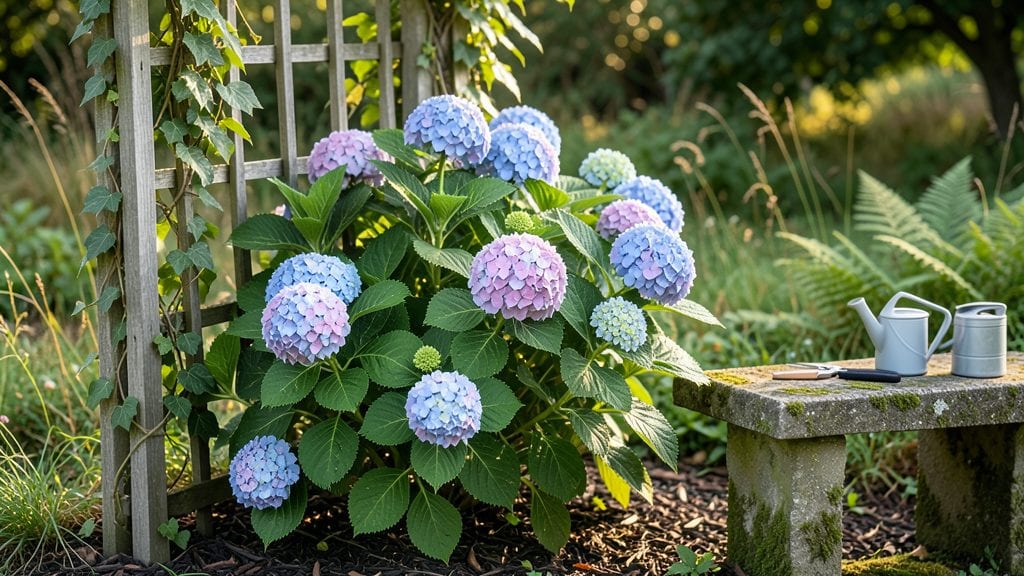
A secret garden landscape transforms your backyard into an enchanting escape where every corner feels like a discovery. I stumbled upon this idea after seeing how a simple arched trellis covered in climbing roses instantly turned a dull corner into a magical hideaway.
The key isn't just plants—it's layers: fragrant herbs tucked under archways, delicate annuals spilling from containers, and evergreens framing the space like a living curtain.
You don't need acres to create this effect—even a 4x6-foot patio can become a secret garden with the right plants and placement. Start with a focal point like a vintage bench draped in ivy, then add vertical elements (trellises, obelisks) to draw the eye upward.
My favorite combo uses dwarf boxwoods for structure, clematis for drama, and sweet alyssum for that "just-picked" fragrance that lingers in the air.
The magic happens when you play with textures and heights—think velvety lamb's ear brushing against smooth hosta leaves, or the crisp snap of ornamental grasses swaying in the breeze. By mixing perennials for structure with seasonal annuals, you'll have color from spring through frost without constant upkeep.
The best part? It feels like a private retreat, even in a shared yard.
Works equally well in urban courtyards or rural backyards—just adjust the scale. The secret isn't complexity; it's curating plants that whisper to each other while you relax among them. Ready to turn your space into a living storybook?
📚 In This Guide
- What you need
- Instructions
- Tips and common mistakes
- Wrapping up and next steps
What you need
- ● Soil & Amendments: Topsoil (1–2 cubic yards, depending on garden size)
- ● Compost (1–2 bags, for nutrient-rich soil)
- ● Organic mulch (cedar or pine, 2–3 bags)
- ● Plants & Greenery: Perennials (e.g., hostas, ferns, astilbes—5–10 plants)
- ● Shrubs (e.g., hydrangeas, boxwood—3–5 plants)
- ● Climbing vines (e.g., clematis, wisteria—2–4 plants)
- ● Seasonal flowers (e.g., tulips, roses, pansies—10–20 bulbs/plants)
- ● Evergreens (e.g., dwarf conifers, hemlock—3–5 plants)
- ● Structural Elements: Arbors/trellises (1–2, wooden or metal)
- ● Stone or brick pathways (gravel, pavers, or stepping stones—quantity varies)
- ● Garden benches or seating (1–2, weather-resistant)
- ○ Wind chimes or solar lights (optional but magical!)
- ● Hand trowel (for precision planting)
- ● Garden fork (for aerating soil)
- ● Pruners (bypass or anvil, sharp and clean)
- ● Wheelbarrow (for hauling materials)
- ● Measuring tape & string (for layout)
- ● Garden gloves (durable, breathable)
- ● Spray bottle (for watering seedlings)
- ○ Optional: Edging tool, kneeling pad, or a small wheelbarrow for heavy loads
- ● Check local regulations for permits (especially for structures like arbors or pathways).
- ● Test your soil (pH kit or lab test) to tailor plant selections.
- ● Plan your layout with a sketch or digital tool (e.g., SketchUp or free apps like Garden Planner).
- ● Clear debris and mark utility lines before digging.
Instructions for creating a whimsical secret garden landscape
Transform a corner of your yard into an enchanting retreat with these layered planting techniques.
Define the Layout with Structural Elements
Start by sketching your design on paper, marking key features like a winding path, arbors, or a small bench. I like to use gravel paths to create natural movement while keeping weeds at bay. For a true secret garden feel, incorporate vertical elements like trellises or a small pergola to draw the eye upward and add dimension.
Place larger structural elements first—these anchor your design. For example, position a small arbor near the center of your space, then arrange seating or decorative stones around it. This creates a focal point that draws visitors deeper into the garden. Use 1-2 inch diameter stones for pathways to mimic natural terrain while remaining practical for foot traffic.
Layer Plants by Height and Seasonal Interest
Begin with the tallest plants at the back of your design, gradually stepping down to shorter ground covers in the front. For year-round interest, include evergreen shrubs like boxwood or dwarf holly as the backbone of your garden. These provide structure even when perennials fade in winter.
Add spring bloomers like tulips or daffodils near pathways where their colors will be visible from above. For summer, incorporate heat-loving perennials like coneflowers or black-eyed Susans, and finish with fall foliage plants like Japanese maples or ornamental grasses. This layered approach ensures your garden always has something captivating to offer.
Incorporate Whimsical Accents and Textures
Break up the structure with playful touches like a small birdbath, a mosaic stepping stone, or a hidden nook with a vintage chair. These elements add personality and invite exploration. I often weave in unexpected textures—think rusted metal planters, smooth river stones, or even a weathered wooden trellis—to create visual intrigue.
Don’t overlook the power of scent. Plant fragrant herbs like lavender or rosemary near seating areas so visitors can enjoy their aromas while relaxing. For a magical touch, add glowing solar lights along paths or around focal points. These subtle details elevate the garden from functional to enchanting.
Maintain Year-Round Beauty with Seasonal Care
In spring, focus on fresh mulch and deadheading spent blooms to encourage new growth. This is also the time to divide overcrowded perennials and add early-season bulbs. For summer, prioritize consistent watering—especially during heatwaves—and watch for pests like aphids or slugs that thrive in lush foliage.
As fall arrives, replace summer annuals with changing-leaf plants and add winter interest with evergreens or dried seed heads. In winter, prune dead branches and plan next year’s layout while the garden rests. A little seasonal maintenance keeps your secret garden thriving and magical throughout the year.
Tips & tricks for perfect secret garden landscaping
Creating a secret garden isn't just about planting—it's about crafting an experience. Here are my go-to strategies to bring your whimsical vision to life with confidence.
Design with Movement: When sketching your layout in Step 1, consider how visitors will flow through the space. I always include at least one meandering path that invites exploration—think gentle curves rather than straight lines. This creates a sense of discovery that makes your garden feel like a hidden sanctuary. Place your focal point, like that small arbor, where it naturally draws the eye along the path, creating visual interest at every turn.
Plant Selection Strategy: In Step 2, I recommend selecting plants that offer vertical interest to maximize your space. Climbing roses or clematis on trellises can add height without taking up ground space, while ground covers like creeping thyme or ajuga prevent weeds and add texture. For seasonal layers, I always include at least three types of foliage—one for spring color, one for summer blooms, and one for fall foliage—to ensure year-round visual appeal.
Unexpected Textures: The whimsical accents in Step 3 are where you can really make your garden unique. I've found that mixing unexpected textures—like pairing smooth river stones with rusted metal planters—creates visual intrigue that keeps visitors engaged. Don't be afraid to incorporate found objects like vintage teacups or weathered wooden signs as subtle decorative elements. These touches add character and tell a story about your garden's personality.
Seasonal Maintenance: The key to a thriving secret garden is understanding each season's needs. In spring, I always add a 2-3 inch layer of mulch around plants to retain moisture and suppress weeds. For summer, I set up a drip irrigation system to ensure consistent watering, especially during heatwaves. In fall, I leave seed heads on perennials for winter interest, and in winter, I prune back any dead growth to prepare for spring's new growth cycle.
Pro Tips for Secret Garden Landscape
- Creating a secret garden isn't just about planting—it's about crafting an experience.
- Design with Movement: When sketching your layout in Step 1, consider how visitors will flow through the space.
- Plant Selection Strategy: In Step 2, I recommend selecting plants that offer vertical interest to maximize your space.
Frequently asked questions
Got questions about creating your own secret garden landscape? You’re not alone! Here are some of the most common inquiries—plus straightforward answers to help you bring your dream space to life.
How do I start a secret garden on a budget?
Begin with what you have! Repurpose containers, use free plants from local swaps, or focus on low-cost perennials like hostas, ferns, and ornamental grasses. Thrift stores often have vintage trellises or garden art. Start small—even a corner with climbing vines and fairy lights can feel magical. Pro tip: Check community boards for donated garden supplies!
How long does it take for a secret garden to look established?
Patience is key! With annuals and fast-growing climbers (like morning glories or clematis), you might see dramatic changes in just a few weeks. Perennials and shrubs take 1–3 years to fill out. Layering plants of different heights and growth rates speeds up the "wow" factor. Pro tip: Add instant drama with mulch, ground covers, or hanging baskets while you wait.
Can I create a secret garden in full sun or full shade?
For sunny spots, opt for drought-tolerant plants like lavender, succulents, or sun-loving roses. Shady areas thrive with ferns, hostas, and impatiens. Mix textures (e.g., moss + boulders) to add depth. Troubleshooting: If your garden wilts, adjust watering or swap plants for sun/shade preferences.
What’s the easiest way to hide an ugly fence or wall?
Vertical gardens are your best friend! Use trellises, lattice panels, or climbing roses to soften hard lines. For instant coverage, try fast-growing vines like jasmine or ivy. Add a living wall with pre-grown moss sheets or modular planters. Pro tip: String lights or solar-powered lanterns to draw the eye upward and create enchantment.
How do I keep pests out of my secret garden?
Prevention is simpler than you think! Use natural barriers like copper tape (for slugs) or diatomaceous earth (for insects). Plant pest-repelling companions (e.g., marigolds near veggies, lavender near cabbage). Encourage beneficial bugs like ladybugs with a small water source. Troubleshooting: If pests strike, handpick them early or use neem oil spray.
Wrapping up and next steps
A secret garden landscape isn’t just a space—it’s a sanctuary of creativity and nature’s quiet magic. 🌿 Whether you’re layering fragrant climbers, weaving hidden pathways, or designing cozy nooks, the key is to let your imagination bloom alongside the plants.
Start small, embrace imperfection, and watch your outdoor retreat transform into a year-round haven.
Ready to dive in? Sketch your dream garden today—grab a notebook, visit your local nursery, and let the adventure begin! 🌸