
Pests and Diseases
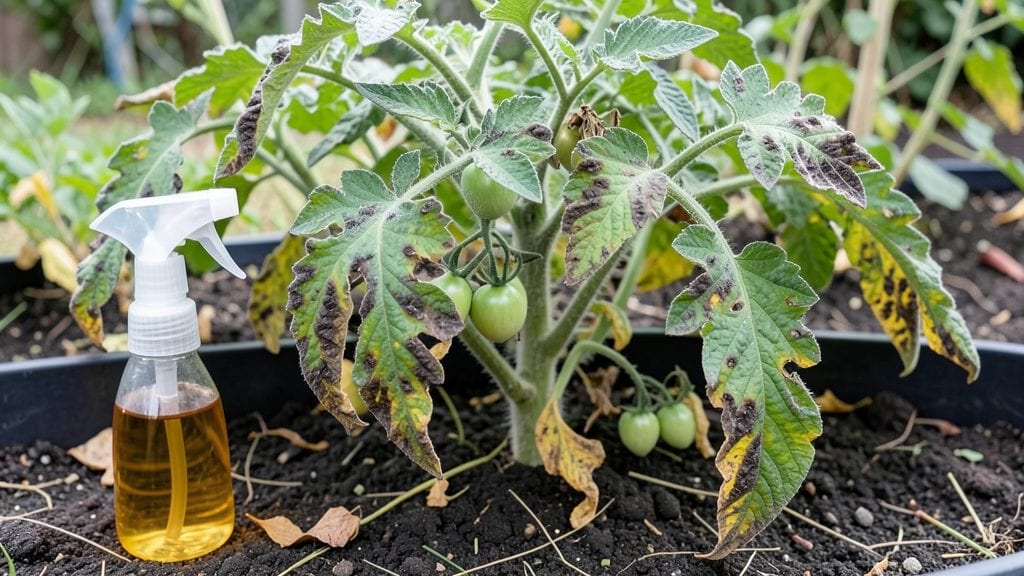
Black mold creeping across your mulch isn’t just unsightly—it’s a warning sign your soil needs a reset. 🌱 I’ve seen it turn thriving gardens into soggy, spore-filled messes, but the right approach can turn things around without losing your plants.
The key is understanding why it’s there before you start scrubbing.
Most garden mold thrives on three things: too much moisture, poor airflow, and organic debris left to rot. That thick black film on mulch? It’s often Rhizopus, a fungus that spreads when wood chips stay damp for weeks.
Other molds, like the fuzzy white growth on damp leaves, signal compacted soil or overwatering. The good news? Fixing these issues stops new mold faster than any spray.
You’ll learn how to remove existing mold safely—without harming beneficial microbes—and which tools (like hydrogen peroxide or copper fungicide) work best for your garden type. Within a week, you’ll see healthier soil, fewer spores, and plants that actually thrive instead of just surviving.
This works for vegetable beds, flower gardens, and even houseplants struggling with damp soil. Let’s get your garden back to the way it should be—lush, productive, and mold-free.
The Hidden Triggers Behind Fungal Growth
Mold in your garden isn’t just an eyesore—it’s a sign that your soil and plants are under the wrong conditions. Understanding the root causes of mold helps you tackle the problem before it spreads.
Let’s break down the science behind why mold thrives in gardens and how you can disrupt its lifecycle.
Mold spores need water to germinate and grow, and gardens are prime real estate for dampness. Here’s why moisture fuels mold:
- Overwatering: When soil stays soggy for more than 24–48 hours, fungal spores activate. Pro tip: Water deeply but infrequently—aim for 1–1.5 inches of water per week (including rainfall).
- Compacted or clay-heavy soil: These soils repel water, creating surface puddles that mold loves. Amend with compost or perlite to improve drainage.
- Lack of airflow: Dense mulch, thick foliage, or crowded plants trap humidity. Solution: Space plants 12–18 inches apart and use straw mulch (instead of wood chips) for better airflow.
💡 Quick fix: If your garden floods after rain, install French drains or raised beds to redirect excess water.
Mold feeds on decaying organic material, turning fallen leaves, dead roots, and even compost into a breeding ground. Here’s how it happens:
- Unturned compost piles: Heat kills pathogens, but cool, wet compost becomes a mold magnet. Fix: Turn compost regularly and keep it aerated.
- Leaf litter and mulch buildup: Thick layers (over 2–3 inches) trap moisture. Solution: Rake up excess leaves and use coarse mulch (like pine straw) to prevent smothering.
- Diseased plants: Fungal spores from blighted leaves or stems can reinfect soil. Action: Remove infected plants immediately and disinfect tools with 10% bleach solution.
✨ Pro move: Use black plastic mulch in veggie beds to block light (and mold spores) while retaining soil warmth.
Mold isn’t picky—it grows in 60–85°F ranges—but it explodes when humidity hits 70%+. Here’s how climate plays a role:
| Condition | Mold Risk Level | How to Adjust |
|---|---|---|
| Cool, damp mornings (spring/fall) | ⚠️ High | Water early in the day so soil dries before evening dew. |
| Hot, humid summers | 🔥 Extreme | Use shade cloth over beds and avoid overhead watering. |
| Winter frost followed by thaw | ⚠️ Moderate | Remove wet mulch and aerate soil to prevent ice buildup. |
🌡️ Key stat: Mold grows 50% faster in soil with 80%+ moisture content—so even slight improvements in drainage make a huge difference.
While mold isn’t picky about pH, extreme acidity (pH <5.5) or alkalinity (pH >8.0) can weaken plants, making them more susceptible to fungal takeovers. Here’s the connection:
- Too much nitrogen: Fertilizers high in nitrogen (like grass clippings) create lush, soft plant tissue that mold loves. Balance: Use slow-release fertilizers (e.g., compost tea) instead of quick-release options.
- Lack of beneficial microbes: Healthy soil bacteria (like Trichoderma) outcompete mold. Boost them: Add mycorrhizal fungi or kelp meal to your soil.
- Synthetic fungicides: While they kill mold, they also disrupt soil ecology long-term. Alternative: Use neem oil or copper fungicide sparingly.
📊 Soil test tip: Check your pH with a $10 test kit—aim for 6.0–7.0 for most garden plants.
Now that you know why mold moves in, the next step is how to evict it. Stay tuned for actionable removal strategies—because the right fix depends on the cause!
Quick Fixes For Fungal Overgrowth
Fungal growth in your garden isn’t just unsightly—it can harm plants, degrade soil quality, and even spread to nearby areas if left unchecked. The good news? With the right approach, you can eliminate existing mold and prevent future outbreaks without harsh chemicals.
Below, we’ve broken down solutions by the most common causes, so you can tackle the problem at its root.
Fix: Improve airflow and dry out the area.
- 🔥 Remove affected mulch or debris – Clear away thick layers of leaves, wood chips, or damp mulch that trap moisture.
- 🍳 Loosen compacted soil – Use a garden fork to aerate the top 4-6 inches, helping water drain faster.
- 👨🍳 Redirect water flow – Adjust sprinklers or irrigation to avoid oversaturating the same spots. Drip irrigation or soaker hoses can deliver moisture more efficiently.
- ⏰ Water in the morning – Evening watering keeps soil damp overnight, encouraging mold. Morning sessions allow foliage to dry by sunset.
💡 Prevention Tip: Add coarse sand or perlite to heavy clay soil to improve drainage. A 5-inch layer of gravel under mulch can also block moisture buildup.
Fix: Clean up and replace with mold-resistant materials.
- 🔪 Remove decaying plant matter – Pull up dead leaves, fallen branches, and rotting veggie scraps. Compost only if the pile is turned frequently to heat up.
- 🥘 Swap old mulch for cedar or pine straw – These types resist mold better than shredded bark or straw. Avoid leaf mold—it’s a mold magnet!
- ✨ Sterilize garden tools – Wipe down pruners, rakes, and shovels with rubbing alcohol or a 10% bleach solution (1 part bleach to 9 parts water) to prevent spreading spores.
💡 Prevention Tip: Chop and drop (leaving plant clippings on the soil) can work if the debris is dry and chopped finely—but avoid this in humid climates.
Fix: Adjust the environment to discourage fungal growth.
- 🌿 Thin dense plantings – Overcrowded gardens trap moisture. Space plants to allow 30-50% sunlight to reach the soil.
- 🎯 Install a fan or dehumidifier – In greenhouses or shaded areas, circulate air to lower humidity below 60%.
- 🌞 Add reflective mulch – Light-colored gravel or aluminum foil (buried under mulch) can reflect sunlight and heat, drying out the soil faster.
💡 Prevention Tip: Plant mold-resistant varieties like rosemary, thyme, or lavender—their aromatic oils naturally deter fungi.
Fix: Use targeted treatments for stubborn cases.
- 🍎 Baking soda spray – Mix 1 tsp baking soda + 1 quart water + a few drops of dish soap. Spray on soil and plants (test on a small area first).
- 💪 Hydrogen peroxide (3%) – Spray undiluted on moldy soil (it breaks down into water and oxygen). Reapply after rain.
- 🌿 Copper fungicide – For severe cases, use liquid copper fungicide (follow label rates). It’s organic but effective against black mold and mildew.
⚠️ Warning: Avoid vinegar on soil—it can alter pH and harm beneficial microbes. Stick to food-safe options for edible gardens.
Once mold is gone, strengthen your soil’s defenses with these habits: - 🔥 Add compost tea – Boosts beneficial microbes that outcompete mold. - 🌱 Plant cover crops – Clover or buckwheat improve soil structure and reduce compaction. - 💡 Test your soil pH – Aim for 6.0–7.0.
Acidic soil (below 6.0) encourages mold. Amend with lime if needed.
Final Reminder: Mold thrives on three things—moisture, organic matter, and shade. By removing one of these, you break the cycle. Start with the fixes that match your garden’s biggest problem, and soon, your soil will be fresh, fungus-free, and flourishing! 🌱✨
Frequently asked questions
Is black mold in my garden harmful to plants or me?
Most garden mold (like black mold on mulch) is harmless to humans but can stress plants by competing for nutrients. The real danger comes from toxic molds like Stachybotrys, which rarely appear in outdoor soil unless you have severe organic decay. For safety, wear gloves when handling moldy debris and avoid inhaling spores.
Can I still compost if my garden has mold?
Yes, but only if you turn the pile regularly to heat it up. Mold thrives in cool, wet compost—turning it 2-3 times per week will kill spores. For heavily moldy piles, mix in dry leaves or shredded cardboard to absorb excess moisture and restore proper aeration.
How do I know if my garden mold is spreading?
Watch for these signs: fuzzy growth on plant stems, discolored leaves (yellow/brown patches), or soil that smells musty. If mold appears in new areas after rain, you likely have poor drainage. Test by pressing your finger into the soil—if water pools for more than 30 minutes, drainage is the issue.
Will vinegar really kill garden mold?
Vinegar can help on hard surfaces (like pots) but is risky for soil—it lowers pH and harms beneficial microbes. For soil, use hydrogen peroxide (3%) or baking soda spray instead. These break down mold without disrupting your garden's ecosystem.
How often should I check my garden for mold?
After heavy rain, check every 2-3 days for the first week, then weekly during humid seasons. Focus on areas with thick mulch, poor airflow, or dense plantings. A quick 10-minute walkthrough with your eyes on the soil surface will catch early signs before they spread.