
Tools
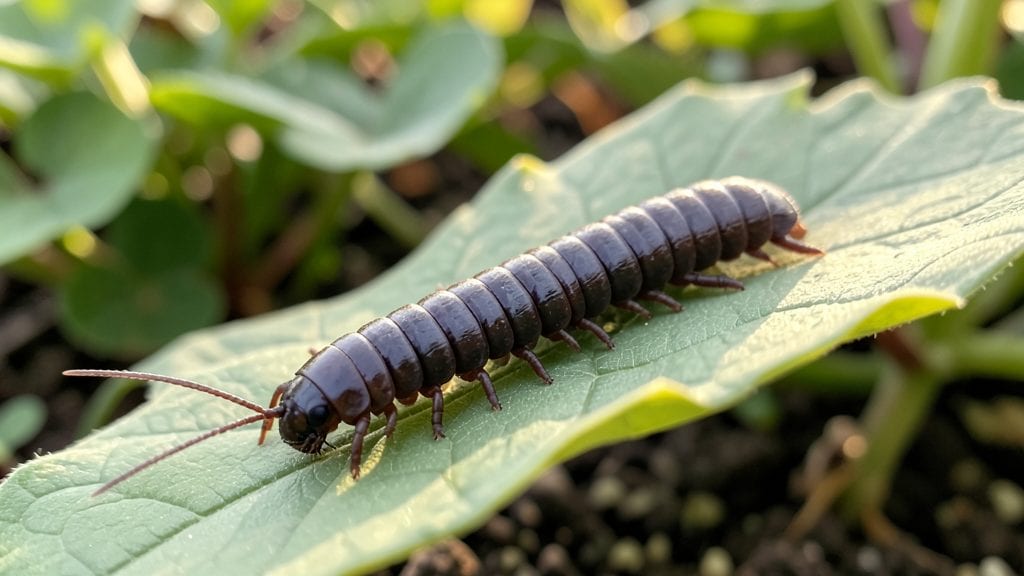
Finding a millipede in your garden isn’t just annoying—it’s a sign your soil’s too damp and your plants are under siege. 🌱 I’ve wrestled with these armored pests for years, and I’ve finally cracked the code on humane traps that work in hours, not weeks.
The key? Understanding their behavior and turning it against them.
Millipedes thrive in moist, decaying organic matter, which means your garden’s perfect buffet if you’ve got thick mulch or rotting wood piles. They don’t eat plants directly, but their presence signals poor drainage or overwatering—and that’s when real pests like slugs move in.
My traps use simple household items to lure them out without harm, so you can restore balance fast.
Within 24 hours, you’ll see fewer of these segmented invaders slithering through your beds. The best part? These methods keep working long-term by fixing the root cause—damp soil and hiding spots.
No more digging through mulch or waiting for chemical sprays to kick in. Just set the traps, check them daily, and watch your garden reclaim its health.
Works for vegetable gardens, flower beds, and even container setups. The same principles apply whether you’re dealing with a small infestation or a full-blown takeover. Here’s how to make them disappear for good.
Root Causes of Garden Visitors
Millipedes aren’t just random garden guests—they’re drawn to your yard for specific, science-backed reasons. Understanding these triggers helps you address the issue at its source, not just chase them away. Here’s why these many-legged critters show up in the first place.
Millipedes thrive in damp environments because their bodies are highly sensitive to dehydration. Their exoskeletons lack the waxy coating that helps insects like ants retain moisture, so they rely on humid conditions to stay hydrated. In your garden, this means:
- Overwatered soil or mulch – If your garden beds stay soggy for days, millipedes see it as a five-star hotel.
Test soil moisture by squeezing a handful—if water drips out, it’s too wet. - Decaying organic matter – Piles of leaves, compost heaps, or rotting wood create microclimates with high humidity.
These spots act as breeding grounds and buffets for millipedes. - Poor drainage – Low spots where water pools (like near downspouts or sloped areas) become hotspots. Fixing drainage with gravel or sand can dry things out naturally.
Pro Tip: 🌡️ Monitor humidity with a hygrometer (aim for 40–60% in garden beds). If levels spike after rain, spread a thin layer of coarse sand or wood chips to absorb excess moisture.
Millipedes are detritivores—nature’s recyclers that feast on decomposing plant material. A garden overflowing with organic debris is like an all-you-can-eat salad bar for them. Key culprits include:
- Thick mulch layers – Mulch over 3 inches deep traps moisture and blocks airflow, creating the perfect millipede habitat. Thin it out to 1–2 inches for better drying. - Unraked leaf litter – A thick carpet of leaves (especially in shady areas) becomes a millipede metropolis.
Rake or shred leaves to disrupt their environment. - Fallen fruit and veggies – Overripe produce or dropped tomatoes aren’t just a nuisance—they’re a feast. Clear fallen produce promptly, especially in warm, humid climates.
Action Step: ✨ Compost smarter—if you’re using a pile, turn it regularly to reduce moisture. For quick fixes, spread fresh straw or pine needles over mulch to deter millipedes.
Millipedes avoid direct sunlight and predators by hiding under: - Rocks, bricks, or logs – These provide shade and moisture retention. Flip over garden stones occasionally to expose hidden colonies. - Thatchy grass or dense ground cover – Tall, uncut grass or creeping plants (like ivy) create cozy tunnels.
Mow regularly and thin out ground covers. - Woodpiles or debris – Stored firewood, old pots, or discarded plant debris offer shelter. Store wood off the ground and keep piles small.
Quick Fix: 🔥 Declutter your garden—remove piles of branches, old pots, and unnecessary ground cover. Even a simple sweep of leaves from under shrubs can make a difference.
Some garden practices unintentionally invite millipedes by altering the soil’s chemistry or disrupting natural predators. For example: - Overuse of synthetic fertilizers – High nitrogen levels can create lush, moist conditions millipedes love.
Switch to slow-release organic fertilizers to balance soil health. - Pesticide use – While millipedes aren’t pests, they’re sensitive to chemical imbalances. Overusing pesticides can kill their natural predators (like birds, beetles, or centipedes), allowing their populations to boom unchecked.
Balance Act: 🎯 Encourage natural predators—plant pollinator-friendly flowers (like marigolds or dill) to attract beneficial insects. Avoid broad-spectrum pesticides to keep the ecosystem in check.
Quick Fixes for Garden Pests
Millipedes might seem harmless, but when they invade your garden in large numbers, they can damage plants, spread mold, and even attract predators like birds or rodents. The good news? You don’t need harsh chemicals to keep them in check.
Below are practical, humane solutions tailored to the root causes of your millipede problem—plus prevention tips to keep your garden thriving.
Millipedes thrive in moist, decaying organic matter, which means they’re often drawn to mulch, compost piles, or rotting wood. If you’ve noticed chewed leaves, wilting plants, or slime trails, these steps will help remove them without harming your garden’s ecosystem.
🔥 Remove Their Hideouts
Millipedes love hiding under rocks, logs, and thick mulch. Start by: - 👨🍳 Raking away debris – Clear leaves, wood chips, and mulch from plant bases and garden beds.
Pile debris in a sealed bin or compost it in a dry, well-ventilated area (millipedes hate dryness). - 🥘 Flip over logs and stones – Use a shovel to turn over large rocks or logs where millipedes may be nesting.
Shake them out into a bucket of soapy water (more on this below) or relocate them to a dry, sunny spot far from your garden.
🔪 Soapy Water Trap (Instant Relief)
A simple, chemical-free trap works in hours: 1. Mix 1 gallon of warm water with 1 tablespoon of dish soap (the soap breaks down their protective slime).
- Place the solution in a shallow container (like a pie tin) near affected areas.
- Millipedes will crawl in and drown—no harm to plants or pets.
✨ Pro Tip: Add a few drops of citrus oil (like lemon or orange) to the mix—millipedes hate the smell and will avoid the area.
🌡️ Adjust Moisture Levels
Millipedes need high humidity to survive. Reduce their comfort zone by: - 💡 Watering deeply but less frequently – Overwatering keeps soil damp, inviting millipedes.
Water early in the day so soil dries faster. - ✨ Improving drainage – If your garden has poor drainage, amend soil with compost or sand to keep it drier. - 🎯 Avoiding thick mulch piles – Use a thin layer (1-2 inches) of mulch and keep it at least 6 inches away from plant stems.
Compost piles, rotting wood, and fallen fruit are millipede magnets. If your compost bin or woodpile is the culprit, these fixes will deter them naturally.
🍳 Dry Out the Compost Millipedes love wet, decomposing organic matter.
To make your compost pile less appealing: - 👨🍳 Turn it regularly – Aerate the pile every 1-2 weeks to speed up decomposition and reduce moisture. - 🥘 Add bulkier materials – Mix in dry leaves, straw, or shredded cardboard to balance greens (like veggie scraps) and keep moisture low. - 🔪 Cover it with a tarp – If rain is frequent, partially cover the pile to prevent excess dampness.
🍎 Remove Rotting Fruit & Vegetables
Fallen apples, overripe tomatoes, and squishy veggies are millipede buffets.
Prevent infestations by: - 💡 Picking up fallen fruit immediately – Even small scraps can attract them. - 🎯 Store compost in a sealed bin – Use a metal or plastic bin with a tight-fitting lid to block access.
Sometimes, millipedes wander indoors, especially in basements, crawl spaces, or garages. If you’ve spotted them inside, seal entry points and dry out problem areas:
🔥 Block Their Entry
Millipedes squeeze through tiny gaps (even 1/8-inch cracks!).
Seal them with: - 👨🍳 Caulk or weatherstripping – Apply around windows, doors, and foundation cracks. - 🥘 Install door sweeps – A simple rubber or brush sweep can block entry points. - 🔪 Use fine mesh screens – Cover vents and gaps in crawl spaces.
🌡️ Reduce Indoor Humidity Millipedes need moisture to survive.
Lower humidity with: - ✨ A dehumidifier – Keep levels below 50% in basements and crawl spaces. - 💡 Fix leaks – Check pipes, roofs, and windows for water sources they can exploit. - 🎯 Use silica gel packets – Place them in shoe boxes, closets, or under sinks to absorb moisture.
Once you’ve dealt with the immediate problem, keep millipedes away for good with these low-effort strategies:
| Prevention Method | How to Do It | Why It Works |
|---|---|---|
| 🌞 Dry mulch zones | Use cedar or pine mulch (millipedes dislike the scent). | Natural repellent + stays drier longer. |
| 🍋 Citrus peels | Scatter orange or lemon peels around garden edges. | Strong scent deters them. |
| 🌿 Diatomaceous earth (DE) | Sprinkle food-grade DE lightly near entry points. | Kills them by dehydrating their exoskeletons (reapply after rain). |
| 🐝 Encourage predators | Attract birds, toads, and ground beetles with native plants. | Natural pest control! |
| 🌧️ Improve airflow | Space plants 3-4 feet apart for better air circulation. | Reduces damp, millipede-friendly microclimates. |
Final Thought: Millipedes are a sign of a healthy garden ecosystem—they break down organic matter, just like worms. The key is balancing moisture and habitat so they don’t overstay their welcome. With these humane, chemical-free methods, you’ll keep your garden thriving without the creepy-crawly takeover! 🚫🐜
Frequently asked questions
Are millipedes actually harmful to my garden?
Millipedes aren’t direct plant pests—they eat decaying organic matter, not living plants. However, their presence signals too much moisture or rotting debris, which can attract real pests like slugs or fungus gnats. Their slime trails may also stain surfaces, and large numbers can indicate poor soil health.
Why do millipedes appear after rain?
Millipedes seek shelter from dry conditions, so they crawl out after rain to avoid dehydration. Their bodies absorb moisture quickly, making damp soil their ideal habitat. After heavy rain, check shady, mulched areas—that’s where they’ll gather until conditions dry out.
Will diatomaceous earth kill millipedes instantly?
No, diatomaceous earth (DE) works by dehydrating millipedes over 24-48 hours, not instantly. Sprinkle it lightly in dry conditions near entry points, but reapply after rain. For faster results, combine DE with a soapy water trap—this two-pronged approach disrupts their environment immediately.
Can I relocate millipedes instead of killing them?
Yes! Use a damp paper towel to gently coax them into a container, then release them in a dry, sunny area like a field or wooded edge. Avoid moving them to other gardens—they’ll just return if conditions are right. This works best for small groups, not large infestations.
How do I prevent millipedes from coming back?
Focus on drying out their habitat: reduce mulch thickness to 1-2 inches, improve drainage, and avoid overwatering. Add cedar mulch or citrus peels as natural deterrents, and keep compost piles well-aerated. Regularly clear fallen fruit and debris to remove their food source.