Planting
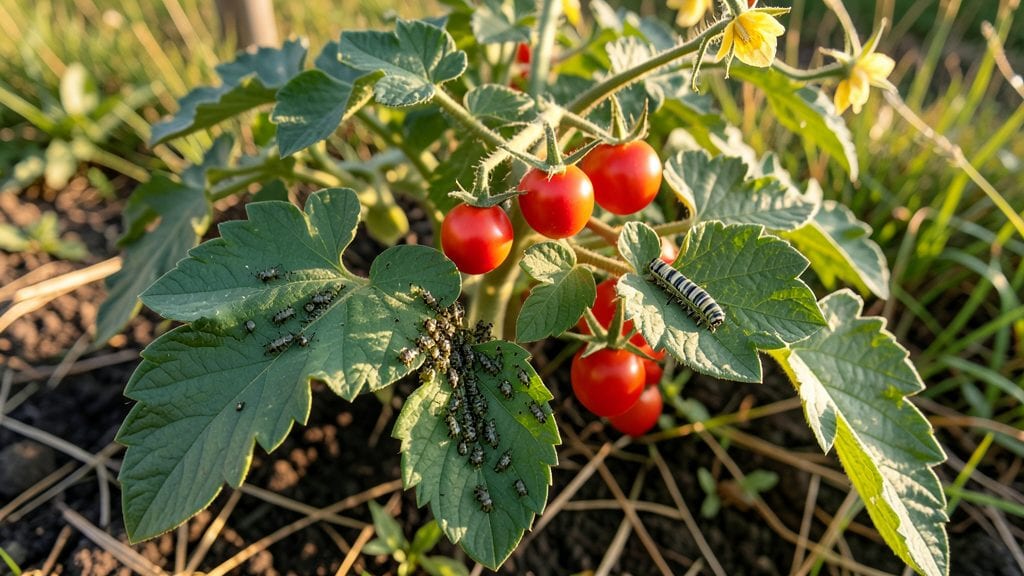
Garden plant pests turn lush foliage into a chewed-up mess faster than you can say "summer harvest." 🌱 I've lost count of the times aphids stripped my basil clean or slugs turned my hostas into lace—until I discovered these simple, nature-backed barriers that actually work within weeks.
The key isn't toxic sprays but smart, targeted defenses that pests can't outsmart.
Think of it like a fortress: some barriers keep pests out entirely (like row covers for cabbage moths), while others make your plants taste terrible (neem oil confuses their feeding cues). Even better?
These methods protect pollinators and your soil health—no collateral damage. I've tested everything from diatomaceous earth to hand-picking (yes, really) and narrowed it down to the most effective, least-fuss options.
By the end of two weeks, you'll see fewer holes in leaves, more bees buzzing around, and plants that bounce back faster than ever. The secret's in timing—some pests hit at specific growth stages, so knowing when to act makes all the difference.
Plus, you'll save money by skipping expensive chemical sprays that only treat symptoms, not the root cause.
Works for vegetable gardens, flower beds, and even houseplants—no matter what's getting munched. Let's get your garden back to thriving without the pest panic.
Root Causes Of Plant Invaders
When your lush garden becomes a buffet for pests, it’s rarely just bad luck—there’s usually a mix of environmental, biological, and even human factors at play.
Understanding these triggers helps you prevent (not just react to) infestations. Let’s break down the science behind why pests target your plants—and how to outsmart them.
Plants under stress emit chemical cues that pests can detect—like a neon "Eat Me" sign. Here’s how it works:
- Drought or Overwatering:
When soil moisture drops too low or stays soggy, plants produce volatile organic compounds (VOCs), including jasmonic acid. These chemicals attract aphids, whiteflies, and even predatory mites—because stressed plants often have lower defenses and more accessible sugars in their sap.
Actionable fix: Use drip irrigation or mulch to maintain consistent moisture. Avoid wetting foliage (which spreads fungal pests that also attract insect predators).
- Poor Soil Nutrition:
Nitrogen-deficient plants grow weak, with thinner cell walls that are easier for chewing pests (like caterpillars or beetles) to penetrate. Meanwhile, phosphorus-rich soils can overstimulate fast growth, making plants tastier to sap-suckers like aphids.
Actionable fix: Test soil pH and amend with compost or balanced organic fertilizer (e.g., 5-5-5 NPK ratio). Slow-release nutrients prevent spikes that lure pests.
- Climate Shifts:
Warmer winters and erratic rains create ideal conditions for pests with short life cycles (e.g., spider mites or fungus gnats). Mild winters let overwintering pests survive, while sudden heatwaves dry out plants, weakening their defenses.
Actionable fix: Monitor degree-day models (a tool gardeners use to predict pest outbreaks). Reflective mulch or shade cloth can reduce heat stress.
Pests don’t just choose plants—they target vulnerabilities. Here’s how biology stacks the deck against your garden:
| Pest Type | Why They Strike | Plant’s Flaw |
|---|---|---|
| Sap-Suckers (Aphids, Whiteflies) | Detect high sugar content in new growth via antennal sensors. | Fast-growing, tender shoots (common in over-fertilized or young plants). |
| Chewers (Caterpillars, Beetles) | Seek soft, thin leaves (low tannins or silica). | Plants with poor mineral uptake (e.g., calcium deficiency → softer tissue). |
| Bores (Japanese Beetles, Borers) | Drill into water-stressed wood (easier to penetrate). | Trees/shrubs with cracked bark or wounded stems. |
Actionable fix: Prune regularly to remove damaged tissue, and rotate crops to disrupt pest life cycles. Interplanting (e.g., basil with tomatoes) confuses pests by masking host plant scents.
Even the best gardens fall prey to unintentional pest magnets. Common mistakes include:
- Monoculture Planting:
Large patches of the same plant species act like a pest buffet. For example, a single row of roses attracts Japanese beetles in droves because they’ve found an easy meal.
Fix: Use polyculture (mix plant types) or intercrop with pest-repelling allies (e.g., marigolds, nasturtiums).
- Ignoring Garden Debris:
Leaves, old mulch, and plant waste create microclimates where pests hide and breed. For instance, slugs thrive in damp leaf litter, while earwigs use debris as nesting sites.
Fix: Clear fallen leaves weekly and compost (not leave) organic matter. Copper tape around beds deters slugs.
- Overusing Synthetic Chemicals:
Pesticides kill beneficial predators (like ladybugs or lacewings) faster than pests, leading to secondary outbreaks. Plus, pests often develop resistance to single-active ingredients.
Fix: Rotate natural barriers (e.g., neem oil, kaolin clay) and encourage biodiversity (e.g., birdhouses, bee baths).
💡 Pro Tip: Keep a pest journal to track outbreaks. Note when infestations peak (e.g., after rain or post-pruning) to predict and prevent future waves.
Quick Fixes for Common Plant Invaders
When pests invade your garden, acting fast can save your plants—and your sanity! Below are practical, natural solutions tailored to the most common culprits, from chewy caterpillars to sap-sucking aphids. Each fix includes immediate action steps and long-term prevention to keep your garden thriving.
Cause: Tiny, clustered pests drain plant juices, leaving sticky residue ("honeydew") that attracts mold. Fix It Fast:
- Blast ‘Em Away 💦: Spray plants with a strong stream of water (early morning works best) to knock aphids off.
- Soapy Suds Solution 🧼: Mix 1 tbsp mild dish soap + 1 quart water in a spray bottle. Test on a small leaf first—soap can burn tender plants.
- Encourage Predators 🐞: Ladybugs and lacewings love aphids. Buy or attract them with neem oil (spray lightly on leaves) or dill/parsley planted nearby.
Prevent Future Outbreaks:
- Neem Oil Spray (weekly): Deters eggs and adults—use at dusk to avoid harming bees.
- Reflective Mulch 🌟: Cover soil with silver or aluminum mulch (or even crumpled foil) to confuse aphids with glare.
- Resistant Varieties: Choose aphid-resistant tomatoes (like ‘Defiant’) or roses (e.g., ‘Knock Out’ series).
Cause: Slug-like or hairy caterpillars (e.g., tomato hornworms, cabbage worms) skeletonize leaves overnight. Fix It Fast:
- Handpick & Drown 🕷️💀: Wear gloves, pluck caterpillars into a bucket of soapy water (or crush them—your call).
- Bacillus Thuriengensis (BT) 💊: A natural bacteria (sold as powder or spray) that kills caterpillars’ stomachs. Safe for humans/pets but only works on chewing insects.
- Row Covers 🏞️: Drape floating row covers over young plants to block egg-laying moths.
Prevent Future Damage:
- Interplant with Traps 🌱: Grow basil, marigolds, or nasturtiums near vulnerable plants—caterpillars prefer these over your veggies.
- Remove Debris 🗑️: Clear fallen leaves (where moths lay eggs) and prune heavily infested plants immediately.
- Plant Late ⏳: Delay sowing cabbage family plants (broccoli, kale) until mid-to-late summer to miss peak moth activity.
Cause: Slimy pests leave silver trails and ragged holes in leaves, stems, and even seedlings. Fix It Fast:
- Beer Traps 🍺: Bury a shallow dish filled with beer near plants—slugs crawl in and drown. Refresh every 2 days.
- Copper Barrier ⚡: Wrap copper tape around pots or garden edges—slugs get a mild electric shock and avoid it.
- Salt Barrier 🧂: Sprinkle a ring of coarse salt around plants (reapply after rain). Note: Avoid using on edible plants—salt harms soil.
Prevent Future Slime Attacks:
- Diatomaceous Earth (DE) 🌊: Sprinkle food-grade DE around plants—it’s non-toxic but deadly to slugs (dries out their bodies). Reapply after rain.
- Wood Ash Ring 🔥: Create a 1-inch-wide barrier of wood ash around beds—slugs hate the alkaline pH.
- Dry Gardens 🌞: Water deeply but less frequently—slugs thrive in damp soil. Use drip irrigation to keep foliage dry.
Cause: Tiny white or yellow specks on undersides of leaves = whiteflies; fine webbing + stippled leaves = spider mites. Both weaken plants by sucking sap. Fix It Fast:
- Sticky Traps 🕸️: Hang yellow sticky cards near plants to catch adults. Check weekly!
- Neem Oil Spray 🌿: Mix 1 tsp neem oil + 1 tsp mild soap + 1 quart water. Spray both sides of leaves at dusk.
- Blast with Water 💦: Use a hose nozzle to dislodge mites/whiteflies (repeat every 3–4 days).
Prevent Future Infestations:
- Encourage Beneficial Wasps 🐝: Tiny parasitic wasps (like Encarsia) lay eggs in whitefly pupae. Plant dill, fennel, or alyssum to attract them.
- Prune & Isolate 🌿: Remove heavily infested leaves immediately and quarantine new plants for 2 weeks.
- Humidity Control 🌡️: Spider mites love dry air. Use a hose-end spray nozzle to mist plants daily (or add a pebble tray under pots).
Pro Tip: Combine multiple methods for best results. For example:
- Morning: Water plants to knock off aphids.
- Afternoon: Set out beer traps for slugs.
- Evening: Spray neem oil as a deterrent.
Long-Term Strategy:
- Rotate Crops 🔄: Plant the same family (e.g., tomatoes) in a different spot each year to disrupt pest cycles.
- Healthy Soil = Strong Plants 🌱: Amend soil with compost and worm castings—stressed plants attract more pests.
- Inspect Weekly 🔍: Check undersides of leaves and new growth for early signs of trouble.
Remember: Pests are part of gardening—balance is key. A few chewed leaves won’t kill your plants, but consistent monitoring will keep them from taking over. 🌿✨
Frequently asked questions about garden plant pests
What are the most common garden pests that attack vegetables?
Aphids, slugs, and caterpillars top the list for vegetable gardens. Aphids cluster on new growth, slugs leave shiny trails on leaves, and caterpillars (like tomato hornworms) can devour entire plants overnight. Early detection is key—check undersides of leaves and soil surfaces daily.
How do I tell if my plants are stressed or just being eaten by pests?
Look for specific damage patterns: jagged holes = chewing insects, sticky residue = sap-suckers, or silver trails = slugs. Stressed plants may also show yellowing leaves or stunted growth, but pest damage is usually more localized (like skeletonized leaves).
Are natural remedies like neem oil safe for all plants?
Neem oil works on most plants, but always test a small area first—some sensitive varieties (like lavender) may react. Use it at dusk to avoid harming bees, and avoid spraying when plants are wilting or in direct sun (can cause leaf burn).
When is the best time to apply pest barriers like diatomaceous earth?
Apply dry barriers (like DE) in the early morning when humidity is low—this makes them most effective. For liquid sprays (neem oil, soapy water), choose overcast days or late afternoon to reduce evaporation and plant stress.
Will beneficial insects actually solve my pest problems?
Ladybugs eat 5,000 aphids in their lifetime, and parasitic wasps target whiteflies. Plant dill, alyssum, or marigolds to attract them naturally. Just be patient—it takes 2-3 weeks for populations to build up and start working.