
Tools
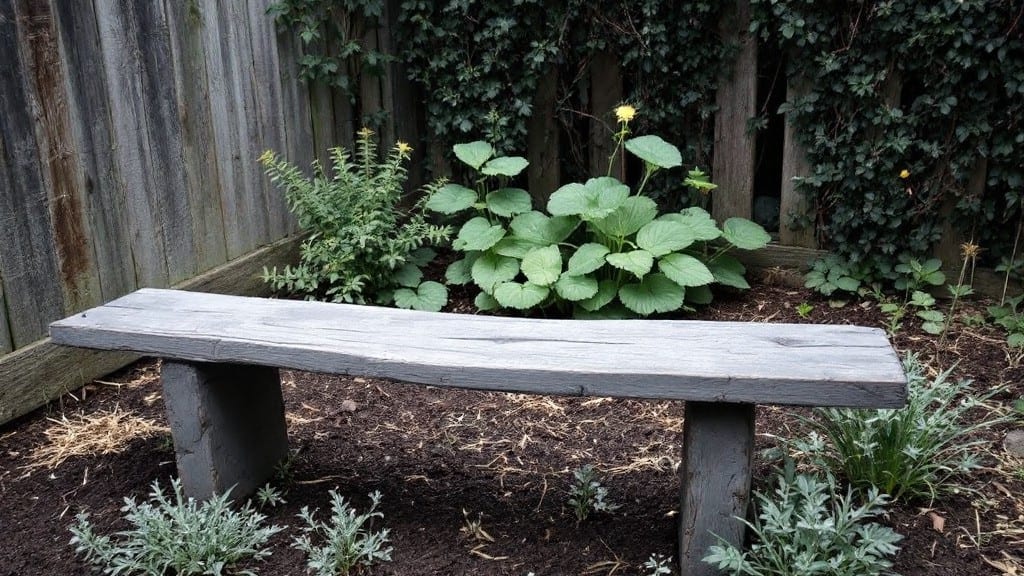
A memorial bench garden turns grief into something living and beautiful—where every plant tells a story of love and memory. 🌿 I designed mine after losing my grandfather, and now it’s the quietest, most peaceful corner of my yard, where sunlight dances through silver birch leaves and lavender sends its calming scent on summer breezes.
Start with a durable bench made of weather-resistant materials like cedar or cast stone, placed where it catches morning light but offers afternoon shade. Surround it with hardy perennials like hostas for shade or ornamental grasses that sway gently in the wind—both thrive with minimal fuss.
Add seasonal interest with spring bulbs like daffodils and fall mums, so there’s always color to honor the memory.
Think of the bench as the heart of the space: orient it toward a view you loved or a direction that feels meaningful. A simple stone pathway leading to it invites quiet reflection, while solar-powered uplighting turns it into a serene evening retreat.
Personal touches—like engraved names on the bench or a small plaque—make it uniquely yours.
This garden doesn’t just survive the seasons; it grows with your memories. Even in winter, bare branches and evergreens keep the space sacred, while spring’s first blooms feel like a fresh beginning. It’s a place to sit, remember, and find peace—one season at a time.
📚 In This Guide
- What you need
- Instructions
- Tips and common mistakes
- Wrapping up and next steps
What you need
- ● Bench: A sturdy, weather-resistant bench (wood, metal, or composite). Choose one with a personalized plaque or engraving for a touching touch.
- ● Soil: 2–3 cubic yards of high-quality garden soil or a mix of topsoil and compost (for nutrient-rich planting).
- ● Plants: Perennials (3–5 plants): Hardy options like lavender, rosemary, or ornamental grasses for year-round greenery.
- ● Seasonal flowers (5–7 plants): Mix of spring bulbs (tulips, daffodils), summer blooms (petunias, marigolds), and fall mums for color.
- ● Evergreens (1–2 plants): Boxwoods or dwarf conifers for structure and winter interest.
- ● Mulch: 2–3 bags of organic mulch (shredded bark or pine straw) to retain moisture and suppress weeds.
- ● Garden stones or pavers: 10–15 pieces (for borders or pathways; choose sizes like 6"–12" diameter).
- ● Garden shovel and trowel (for digging and planting).
- ● Wheelbarrow (to transport soil and mulch).
- ● Garden hose with nozzle (for watering).
- ● Measuring tape and stakes (to mark plant spacing).
- ● Pruners (for trimming plants).
- ○ Optional: String line (for layout planning), knee pads (for comfort), and a level (to ensure bench placement is even).
- ● Sunlight assessment: Ensure the bench location gets 4–6 hours of sunlight daily (adjust plant choices for shadier spots).
- ● Water access: A nearby spigot or portable watering system for maintenance.
- ● Local regulations: Check if your area requires permits for permanent structures or memorial installations.
- ○ Optional: A small solar-powered light (for evening ambiance) or a weatherproof plaque holder (for photos or messages).
Step-by-Step instructions for designing a memorial bench garden
Here's how to create a peaceful, ever-changing tribute that honors memories while bringing seasonal color to your space.
🪴 Step 1: Choose Your Bench Location and Prepare the Site
Select a spot that receives at least 6 hours of sunlight daily for most plants, but also consider shadier areas if your climate runs hot. I like to place memorial benches where loved ones might have sat—maybe under a favorite tree or near a window they enjoyed. Clear the area of weeds and debris, then mark a 4-foot diameter circle around the bench (standard seating space).
Use a garden hoe to loosen the soil to a depth of 6-8 inches, breaking up any compacted layers. Work in a 2-inch layer of compost into the top 4 inches of soil—this improves drainage and gives plants a nutrient boost right from the start. For rocky or clay-heavy soil, mix in 1 part sand to 3 parts soil to create a more workable base.
☀️ Step 2: Select Plants for Year-Round Interest
Layer your design with plants that offer color, texture, and seasonal changes. Start with 3-5 perennial shrubs (like boxwood or dwarf lilac) for structure, then add 5-7 flowering perennials for seasonal blooms. I always include 2-3 evergreen ground covers (like creeping thyme or ajuga) to maintain greenery in winter.
For immediate impact, add 3-5 seasonal annuals—like petunias in summer or pansies in spring/fall—to fill gaps. Place taller plants behind the bench and shorter ones in front. Avoid anything with thorns or aggressive spreaders near seating areas. A small ornamental grass or two adds movement and softens the edges.
🌱 Step 3: Plant and Arrange for Symmetry and Flow
Dig holes twice as wide as the root balls but only as deep as the container. Place each plant gently, then backfill with native soil, pressing lightly to remove air pockets. Water deeply to settle the roots. I like to arrange plants in odd-numbered groupings (3, 5, or 7) for natural balance—this creates visual interest without looking forced.
Leave a 12-inch border around the bench itself for easy maintenance. Add 2-3 small stepping stones if needed to create a path. For a personal touch, include a small plaque or engraved stone with a meaningful quote or name near the bench. Mulch the entire area with 2 inches of shredded bark mulch to retain moisture and suppress weeds.
💧 Step 4: Establish Maintenance Routines for Longevity
Water newly planted areas deeply every 2-3 days until plants establish roots (4-6 weeks). You'll know they're settled when leaves look plump and soil stays moist 1 inch below the surface. After establishment, water 1-2 times weekly during dry spells, focusing on the root zones rather than overhead.
Fertilize in early spring with a slow-release granular fertilizer, following package rates. Deadhead spent blooms regularly to encourage continuous flowering. Prune shrubs in late winter to shape them and remove any dead or crossing branches. This keeps the garden looking intentional and well-cared-for year after year.
⏰ Step 5: Add Personal Touches for Meaningful Connection
Incorporate elements that reflect the person being honored—maybe a small bird feeder if they loved wildlife, or scented plants like lavender or roses if they enjoyed fragrance. I often add a small solar-powered garden light to illuminate the space at dusk, creating a peaceful evening spot.
Consider including a handwritten note or small keepsake tucked among the plants, like a favorite seashell or polished stone. This makes the garden feel truly personal. Finally, take photos of the finished space to document its beauty and the memories it holds—you'll want to revisit it often.
Tips & tricks for perfect memorial bench garden design
Creating a meaningful memorial garden takes thoughtful planning—here are the details that make all the difference in crafting a space that truly honors memories.
Location Matters: The 6 hours of sunlight requirement is crucial for most plants, but don't overlook microclimates. If your yard has shadier spots, consider drought-tolerant plants like lavender or sedum that thrive with less sun. I've found that placing the bench where loved ones might have naturally gathered—perhaps near a window they enjoyed or under their favorite tree—adds an extra layer of meaning that transforms a garden into a living tribute.
Soil Prep Secret: When loosening soil to that 6-8 inch depth in Step 1, take a moment to feel the texture. Rocky or clay-heavy soil? The 1:3 sand mixture really works wonders, but for even better drainage, consider adding perlite or vermiculite to the mix. This creates the perfect foundation where roots can breathe and thrive year after year.
Plant Arrangement Insight: Those odd-numbered groupings (3, 5, or 7 plants) create natural balance that feels intentional rather than forced. For extra visual interest, I like to vary plant heights by 3-6 inches between each layer. Place taller perennials behind the bench and shorter ones in front, creating a gentle slope that guides the eye toward the seating area.
Personalization Tip: The small plaque or engraved stone mentioned in Step 3 can be as simple or elaborate as you like. I've seen beautiful hand-painted ceramic tiles, engraved slate markers, or even polished river stones with names etched into them. Choose something that reflects the person's personality—maybe a favorite quote, birth/death dates, or even their nickname.
Pro Tips for Memorial Bench Garden
- Creating a meaningful memorial garden takes thoughtful planning—here are the details that make all the difference in crafting a space that truly honors memories.
- Location Matters: The 6 hours of sunlight requirement is crucial for most plants, but don't overlook microclimates.
- Soil Prep Secret: When loosening soil to that 6-8 inch depth in Step 1, take a moment to feel the texture.
Frequently asked questions
Got questions about creating a memorial bench garden?
Here are some common ones to help you get started on this meaningful project.
What’s the best time of year to plant a memorial bench garden?
The ideal time depends on your climate! In most regions, spring or early fall is best—soil is warm, and plants establish roots before extreme weather. If planting perennials, follow local frost dates. For annuals, you can plant in any mild-season month for quick color. Pro tip: Check your USDA hardiness zone for precise timing!
How do I personalize the bench itself for a loved one?
Add a heartfelt touch with engraved plaques, painted designs, or weatherproof markers featuring names, dates, or favorite quotes. Use epoxy resin for durability or choose a bench with built-in slots for small keepsakes like photos. Consider custom metalwork or stained glass panels for a unique touch. Troubleshooting: Seal wood or metal to prevent fading!
Can I use potted plants instead of in-ground gardening?
Potted plants are a low-maintenance, flexible option—ideal for renters or small spaces. Choose durable containers (fiberglass or ceramic) and drought-tolerant plants like lavender, succulents, or ornamental grasses. Place pots around the bench or on a raised planter for a cohesive look. Bonus: Add solar-powered lights for evening ambiance!
What if my yard has poor soil or drainage?
No problem! Amend the soil with compost or peat moss to improve fertility, and raise beds with gravel or landscape fabric to boost drainage. For severe issues, use container gardening or install a French drain nearby. Opt for native plants—they thrive with minimal care and support local ecosystems. Tip: Mulch heavily to retain moisture!
How do I keep the garden looking fresh year-round?
Layer plants with different bloom times (spring bulbs, summer annuals, fall mums) and add evergreens or ornamental grasses for winter structure. Seasonal swaps: Swap out wilting plants in fall for pansies or hellebores that bloom in cold weather. Prune regularly, and use seasonal mulch to protect roots. Pro tip: Add a small birdbath for wildlife year-round beauty!
Wrapping up and next steps
A memorial bench garden is more than just a beautiful addition to your outdoor space—it’s a lasting tribute that honors loved ones while bringing joy and serenity year-round. 🌸 Whether you’re celebrating a life well-lived or creating a peaceful retreat, this project blends practicality with heartfelt meaning.
Ready to bring your vision to life? Start by sketching your design, gathering supplies, and taking it one step at a time. Every shovel of soil and planted seed is a way to honor and create—so dive in with confidence! 🌱