Landscaping
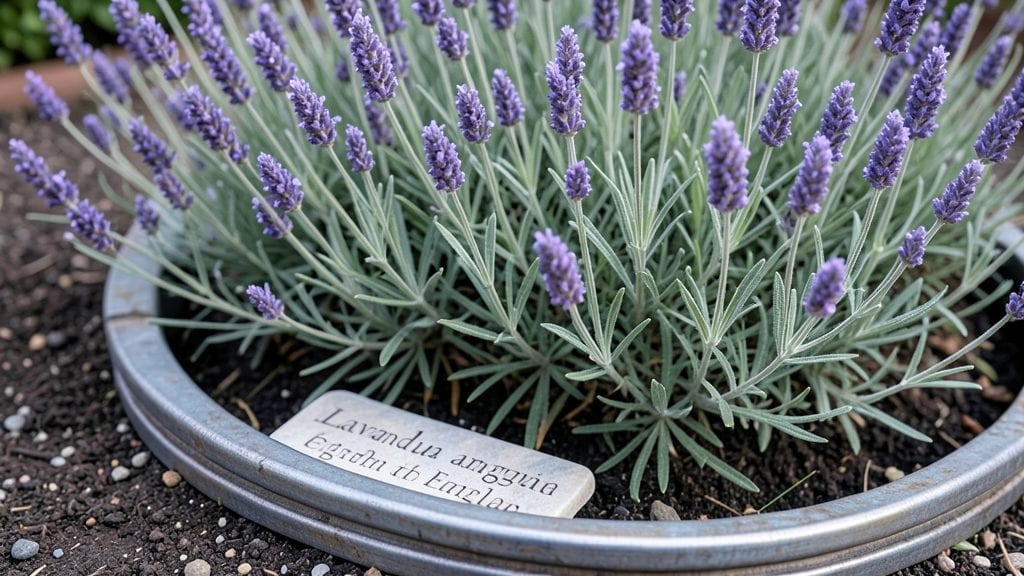
A memorial garden design becomes a living tribute where every plant tells a story of love and remembrance. 🌿 I learned this firsthand when I transformed a quiet corner of my backyard into a peaceful retreat for my late father, using his favorite lavender and the shade tree he loved.
The space now feels like him—calm, enduring, and full of quiet joy.
Start with a theme that reflects their life: perhaps a Japanese-inspired Zen garden with smooth stones and moss, or a wildflower meadow bursting with color. Choose plants that thrive in your climate—evergreens for year-round presence, perennials for lasting beauty, and seasonal blooms to mark time.
A simple bench or engraved stone adds a personal touch without overwhelming the space.
You’ll create a place that grows more meaningful with each visit, where sunlight filtering through leaves and the scent of blooms become part of your healing. The garden doesn’t need to be large—even a small plot with a single tree and a few carefully chosen plants can hold deep meaning.
Let it evolve naturally over time, just as memories do.
Consider adding elements like a wind chime for gentle sound, a small fountain for soothing water, or a sun dial to mark the passage of time. These details turn a garden into a sanctuary where every visit feels like a quiet conversation with someone you miss.
The design should reflect their spirit, not just their absence.
📚 In This Guide
- What you need
- Instructions
- Tips and common mistakes
- Wrapping up and next steps
What you need
- ● Soil & Mulch: Topsoil (2–3 cubic yards, depending on garden size)
- ● Organic mulch (cedar or pine, 2–4 bags)
- ● Plants & Greenery: Perennial flowers (e.g., roses, lavender, or coneflowers—5–10 plants)
- ● Evergreen shrubs (e.g., boxwood or juniper—3–5 plants for structure)
- ● Ornamental grasses (3–5 clumps for texture)
- ● Memorial Elements: Bench or seating (1–2, weather-resistant wood or metal)
- ● Engraved stone or plaque (1, customizable)
- ○ Wind chimes or solar lights (optional but serene)
- ● Tools: Shovel & spade (1 each)
- ● Pruners (1 pair)
- ● Wheelbarrow (1 for hauling soil)
- ● Garden gloves (1 pair)
- ● Level & measuring tape (for precision)
- ● Water feature (small fountain or birdbath)
- ● Personalized garden art (e.g., mosaic tiles or hand-painted stones)
- ● Seasonal decorations (e.g., lanterns or floral arrangements)
- ● Accessible pathways (gravel or stepping stones for ease of movement)
Step-by-Step memorial garden design for lasting tribute
Transform a quiet corner into a peaceful sanctuary that tells their story.
🪴 Step 1: Choose a Quiet, Meaningful Location
Select a spot that feels special—perhaps where you shared memories, or a place with natural beauty. Avoid high-traffic areas where the garden might get overlooked. I always look for spots with existing shade or partial sun, as memorial gardens thrive in calm, serene conditions. Measure the space to ensure it’s large enough for your vision—most memorial gardens fit comfortably in 6x6 to 8x10 feet areas.
Consider the view from inside your home or a nearby seating area. You’ll want to see the garden when you look out, so it becomes part of your daily life. If the site is sloped, level the ground slightly to create a stable base for planting. This small effort makes maintenance easier and ensures your garden remains accessible for years to come.
☀️ Step 2: Design for Reflection and Comfort
Incorporate elements that encourage quiet contemplation, like a benchtop or small stone seat where visitors can sit. I like to add a winding path made of stepping stones or gravel, leading to the centerpiece of the garden. This invites people to linger and explore at their own pace. For a personal touch, include a plaque or engraved stone with their name, dates, or a short message—something that feels intimate and meaningful.
Plant choices matter too. Opt for evergreen shrubs like boxwood or dwarf yew for structure, and add perennials with long bloom times, such as lavender, coneflowers, or ornamental grasses. These plants provide year-round interest and require minimal upkeep. Avoid anything too high-maintenance; the goal is a garden that feels enduring and peaceful, not one that demands constant care.
🌿 Step 3: Add Personal Touches and Symbolic Plants
Include plants or decorations that held significance in their life. Maybe they loved roses, or perhaps wildflowers reminded them of childhood. I once designed a garden with their favorite sunflowers and a small bird feeder—simple but deeply personal. Add a wind chime, a lantern, or a small statue if it feels right. These details turn the garden into a place where memories can live.
For a lasting tribute, consider planting native species that thrive in your climate. They’re low-maintenance and support local wildlife, which adds to the garden’s sense of harmony. If you’re unsure what to plant, visit a local nursery and ask for suggestions based on your loved one’s favorite colors or the season they were most alive. Even small gestures, like a single tree or a row of wildflowers, can make the garden feel intentional.
✂️ Step 4: Maintain with Care and Intention
Schedule regular visits to tend to the garden—weeding, pruning, and adding fresh mulch keep it vibrant and inviting. I like to mark the anniversary of their passing or a special date with a new plant or a small ritual, like lighting a candle or placing a note among the flowers. This keeps the garden alive in your heart and reminds others to visit and reflect.
If you’re not up for frequent maintenance, choose drought-tolerant plants and ground covers to reduce upkeep. A drip irrigation system can also make watering easier over time. The goal is a garden that feels like a quiet conversation with your loved one, not a chore. Even if it’s just a few minutes a month, your care will show in the way the garden grows and thrives.
Tips & tricks for creating a meaningful memorial garden
Creating a memorial garden that truly honors a loved one starts with thoughtful details that transform a simple space into a lasting tribute. Here are the insights I've gathered from designing gardens that feel deeply personal and enduring.
The Location Matters: When selecting your 6x6 to 8x10 feet area in Step 1, consider how the garden will be experienced throughout the day. Morning sunlight can create a warm, inviting atmosphere, while afternoon shade offers a cooler respite. I always test the space at different times—standing where you'll view it from inside helps visualize how it will feel as part of your daily life. A slight elevation or gentle slope can also create a natural focal point that draws the eye toward the centerpiece.
Design for Emotional Flow: In Step 2, think about how visitors will move through the space. A winding path of stepping stones or gravel creates a natural progression that invites contemplation, while a straight path might feel too rushed. I like to place the seating area or plaque near the end of the path—this encourages people to pause and reflect. For an extra touch, add a small bench or stone at the start of the path where visitors can sit before beginning their journey through the garden.
Personal Touches That Tell a Story: Step 3 is where the garden truly becomes a tribute. If your loved one had a favorite color, incorporate it through plants, stones, or even painted accents. I once designed a garden with blue hydrangeas and a white stone plaque because those were their favorite colors. For a hands-on approach, create a small "memory jar" buried near the centerpiece—fill it with notes from loved ones that can be read over time. This makes the garden a living, evolving tribute rather than a static monument.
Low-Maintenance Magic: The key to a lasting memorial garden is choosing plants that require minimal care, as mentioned in Step 4. Drought-tolerant plants like lavender or ornamental grasses not only reduce watering but also create a sense of permanence. I recommend grouping plants with similar water needs together—this makes irrigation easier and ensures nothing gets overlooked. A thin layer of mulch (2-3 inches) around plants helps retain moisture and suppress weeds, saving you time and effort in the long run.
Pro Tips for Memorial Garden Design
- Creating a memorial garden that truly honors a loved one starts with thoughtful details that transform a simple space into a lasting tribute.
- The Location Matters: When selecting your 6x6 to 8x10 feet area in Step 1, consider how the garden will be experienced throughout the day.
- Design for Emotional Flow: In Step 2, think about how visitors will move through the space.
Frequently asked questions
Got questions about creating a memorial garden? You're not alone! Here are some of the most common concerns—and their answers—to help you design a space that feels truly meaningful.
What’s the best time of year to plant a memorial garden?
The ideal time depends on your climate, but spring or early fall are typically best. Spring lets you enjoy blooms during warmer months, while fall planting gives roots time to establish before winter. In warmer climates, winter planting can also work—just ensure plants are drought-tolerant.
How do I personalize a memorial garden without it feeling too sentimental?
Balance emotion with simplicity. Include symbolic plants (like lavender for remembrance or sunflowers for joy), a small plaque or engraved stone, and natural elements (a bench, wind chimes, or a meandering path). Avoid clutter—let the space breathe and evoke memories subtly.
Are there budget-friendly ways to create a memorial garden?
Start with native plants (cheaper and low-maintenance), use recycled materials (like bricks or stones from a local reuse center), and DIY features like hand-painted rocks or a simple wooden sign. Focus on meaning over cost—even a few well-chosen plants can create impact.
What if I don’t have a green thumb? Can I still maintain a memorial garden?
Yes! Opt for drought-resistant plants (succulents, ornamental grasses) and mulch to reduce watering. Consider self-sustaining designs—like a wildflower meadow or a rock garden—that require minimal upkeep. A drip irrigation system can also make maintenance easier.
How do I decide what to include in the garden?
Start by asking: What did your loved one love? Their favorite flowers? A hobby (like gardening or birdwatching)? Incorporate those elements—maybe a butterfly-friendly garden if they adored nature or a peaceful meditation area if they enjoyed quiet reflection. Keep it personal, not perfect!
Wrapping up and next steps
Creating a memorial garden design is a deeply personal way to honor and celebrate the life of a loved one.
Whether you choose serene pathways, vibrant flowers, or symbolic elements like benches or wind chimes, the key is to infuse it with meaning—reflecting their passions, memories, and the love that endures.
This space will not only serve as a peaceful retreat but also as a lasting tribute that grows and evolves with time.
Ready to bring your vision to life? Start by sketching a rough layout or consulting with a local landscaper to turn your ideas into reality. Every plant, stone, and detail will tell a story—one that keeps their memory alive in the most beautiful way. 🌿❤️