
Tools
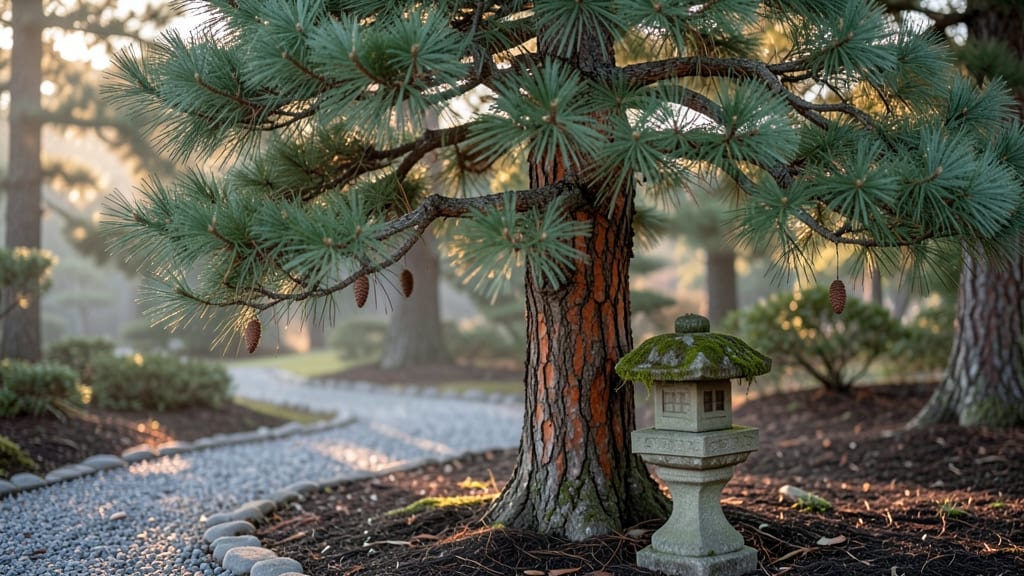
Creating a Japanese garden in Irvine means blending serene Zen principles with Southern California’s sun-drenched climate—something I learned the hard way after my first attempt withered under the midday glare.
The key isn’t just importing traditional elements like water features or stone lanterns; it’s adapting them to thrive where they weren’t originally designed to grow.
Irvine’s dry summers and mild winters demand drought-tolerant plants and smart water management, but with the right approach, you can craft a tranquil space that feels timeless.
Start with the bones of your design: smooth, winding stone pathways to guide visitors through the space, and a small water feature—whether a simple bamboo fountain or a shallow koi pond—that hums with the soothing sound of moving water.
Local plants like dwarf azaleas, camellias, and California native grasses (like deer grass or fountain grass) bring texture and movement without demanding constant care. Even in urban backyards, a well-placed lantern or moss-covered rock can anchor the space and invite stillness.
What you’ll end up with is a retreat that feels like a step away from the city’s hustle, even if it’s just a few square feet.
The air stays cooler under the dappled shade of a Japanese maple, the scent of blooming camellias lingers in the breeze, and the sound of trickling water drowns out traffic noise.
The maintenance isn’t difficult—just regular pruning, occasional weeding, and keeping the water feature clean—but the payoff is a garden that feels like a living painting.
Whether you’re working with a sprawling backyard or a tiny urban courtyard, the principles stay the same: simplicity, balance, and harmony with nature. Irvine’s climate just means choosing the right plants and materials to make it last. Let’s get started on designing yours.
📚 In This Guide
- What you need
- Instructions
- Tips and common mistakes
- Wrapping up and next steps
What you need
- ● Gravel: 5–10 bags (1–2 cubic feet each) of raked, coarse sand or gravel (e.g., tobi-ishi or akadama for a traditional look).
- ● Rocks & Stones: 10–20 medium-to-large flat, smooth stones (e.g., moonstone, river rocks) for pathways and focal points.
- ● Water Feature: Small pond liner (10–20 sq. ft., depending on size).
- ● 1–2 water pumps (low-flow, 100–300 GPH).
- ● Bamboo or water spouts for streams.
- ● Plants: 5–10 bamboo plants (e.g., Fargesia for privacy).
- ● 3–5 pine trees (e.g., Japanese black pine for structure).
- ● 10–15 moss or ground cover (e.g., Irish moss or clover).
- ○ Optional: maple trees (e.g., Japanese maple) for seasonal color.
- ● Digging Tools: Spade, shovel, and Japanese rake (haku) for gravel.
- ● Measuring & Layout: Tape measure, stakes, and string for marking paths.
- ● Waterproofing: Pond sealant and waterproof underlayment for liners.
- ● Safety Gear: Gloves, knee pads, and dust mask for gravel work.
- ● Location: A shaded, flat, or gently sloping area (partial sun is okay for most plants).
- ● Water Source: Access to a hose or irrigation line for filling the pond.
- ● Permits: Check with Irvine’s landscaping regulations—some areas require approval for water features.
- ● Time: Allocate 1–2 weekends for digging, planting, and fine-tuning.
Instructions for crafting a Japanese garden retreat in Irvine
Transform your Irvine space into a serene sanctuary by blending natural elements with deliberate design.
Design the Layout for Balance and Harmony
Begin by sketching your garden’s footprint, focusing on asymmetrical balance—a core principle in Japanese garden design. Place a central focal point, such as a water feature or stone lantern, to anchor the space. Irvine’s mild climate allows for year-round enjoyment, so prioritize open sightlines and gentle curves in pathways to invite contemplation. Use a string and stakes method to outline areas before digging, ensuring smooth transitions between zones like the water feature, stone pathways, and planted sections.
Incorporate negative space—intentional emptiness—around key elements to emphasize tranquility. For example, leave a 3-foot buffer between the edge of a stone pathway and any foliage. This creates visual breathing room and reinforces the garden’s meditative purpose. Test the flow by walking through the space, adjusting the layout until movement feels natural and intentional.
Install the Water Feature for Calming Ambiance
Excavate the water feature basin to a depth of 6-8 inches, ensuring it slopes gently toward the center for proper drainage. Line the basin with landscape fabric to prevent soil erosion, then layer crushed gravel for stability before adding water. Position the feature near a stone pathway or seating area to maximize its soothing effect—water sounds carry beautifully in open spaces. Use a submersible pump (placed partially submerged) to create a gentle, continuous flow, mimicking natural streams. Irvine’s dry summers mean the water will evaporate quickly, so plan for weekly top-offs to maintain the feature’s serene presence.
Surround the water feature with flat, moss-covered stones arranged in a loose, organic pattern. Avoid rigid symmetry; instead, let stones overlap slightly, as if naturally settled by water. This texture contrasts beautifully with the smooth water surface, enhancing the garden’s tactile appeal. Place a few small pebbles around the edges to soften transitions between the water and surrounding gravel.
Construct the Stone Pathways for Meditative Movement
Lay the stone pathways using stepping stones spaced 12-18 inches apart, allowing toes to brush grass or gravel between steps. Begin at the garden’s entrance and weave the path toward the water feature, creating a journey rather than a direct route. Use flat, irregularly shaped stones—their natural edges add character and prevent a sterile look. Bury each stone 1-2 inches deep in sand to stabilize them without restricting drainage. Irvine’s occasional rain means pathways should shed water quickly, so avoid compacting soil beneath the stones.
Fill the gaps between stones with coarse gravel to discourage weeds and allow water to permeate. Sweep the gravel occasionally to maintain its even surface and prevent erosion. For a subtle touch, sprinkle fine gravel along the edges of the pathway to blend the stones with the surrounding landscape. Test each step before finalizing—walk along the path to ensure the spacing feels comfortable and intentional.
Integrate Planting Zones for Seasonal Texture
Select evergreen shrubs like Japanese holly or boxwood for structure, placing them near the stone pathways to frame views of the water feature. These plants thrive in Irvine’s climate and provide year-round greenery. Add moss in shaded areas, particularly around the water feature, where its soft texture complements the stones and water. Choose low-growing perennials such as ajuga or heuchera for color and contrast, arranging them in small clusters rather than rows to maintain a natural look. Mulch planting zones with 3 inches of organic mulch to retain moisture and suppress weeds, especially during Irvine’s dry spells.
Incorporate bamboo or willow near the garden’s perimeter to create a sense of enclosure without blocking views. Prune these plants regularly to control their spread and maintain their graceful forms. Group plants by height and texture—tall grasses behind shrubs, for example—to build visual layers. Step back frequently to assess the garden’s balance; the goal is a composition that feels effortless yet deliberate, inviting quiet reflection.
Add Finishing Touches for Authentic Detail
Install stone lanterns or torii gates at key entry points to mark transitions and add cultural depth. Place lanterns near seating areas or along the stone pathways to cast soft light in the evenings. Use weathered wood for benches or trellises, treating it with a natural oil to resist Irvine’s occasional humidity. Add small, hand-placed rocks near the water feature or along pathways to break up space and create visual interest. These details—often overlooked—elevate the garden from functional to transformative.
Finally, incorporate movable elements like a small rake or broom to maintain the garden’s crisp lines. Sweep gravel regularly and trim overgrown foliage to preserve the space’s intentional design. Step outside at dusk to evaluate the garden’s ambiance—Japanese gardens are as much about evening light as daytime tranquility. Adjust any elements that feel out of harmony, trusting your instincts to refine the retreat into a true sanctuary.
Tips & tricks for perfect Japanese garden design in Irvine
A few thoughtful adjustments will transform your Irvine garden from a simple outdoor space into a true zen retreat. The key lies in embracing imperfection and intentional simplicity—two principles that define Japanese garden aesthetics.
Embrace the Art of Imperfection: In Step 1, when sketching your layout, resist the urge to create perfectly symmetrical designs. Japanese gardens thrive on natural irregularities—uneven stones, asymmetrical plant groupings, and organic curves in pathways. Irvine’s Mediterranean climate actually enhances this effect, as plants grow with natural, wind-sculpted shapes. I always step back frequently during Step 1 and ask myself, "Does this feel like nature, or like a manicured lawn?" The answer should lean toward the former.
Water Feature Placement Matters: During Step 2, consider the acoustic properties of your water feature placement. Position it where the sound carries naturally through your garden—typically near seating areas or along the main stone pathway. In Irvine’s dry climate, you’ll want to place the feature where evening breezes can circulate, preventing stagnant water. I recommend testing the sound by running water through a hose in potential locations before final installation. The gentle sound should feel like a natural extension of the space, not an added element.
Pathway Testing is Non-Negotiable: Step 3 emphasizes testing your stone pathways before finalizing, but I can't stress enough how critical this is. Walk the path multiple times wearing different shoes—barefoot, in sandals, and in walking shoes—to experience how it truly feels. The 12-18 inch spacing between stepping stones should allow your toes to brush the gravel between steps, creating that essential tactile connection with nature. If you find yourself stepping precisely on every stone, you’ve lost the organic flow. Adjust the spacing until movement feels effortless and meditative.
Seasonal Layering Strategy: When integrating planting zones in Step 4, think about creating visual interest across all seasons. Irvine’s mild winters and warm summers create unique opportunities. Plant evergreens like Japanese holly near pathways to provide year-round structure, then layer with deciduous shrubs that offer seasonal color changes. I always include at least one plant that provides winter interest—like a ornamental grass or evergreen shrub—so the garden remains engaging even in Irvine’s cooler months.
Pro Tips for Japanese Garden Irvine
- A few thoughtful adjustments will transform your Irvine garden from a simple outdoor space into a true zen retreat.
- Embrace the Art of Imperfection: In Step 1, when sketching your layout, resist the urge to create perfectly symmetrical designs.
- Water Feature Placement Matters: During Step 2, consider the acoustic properties of your water feature placement.
Frequently asked questions
Got questions about creating your own Japanese garden in Irvine? Here are some answers to help you get started!
What are the essential elements of a Japanese garden?
A traditional Japanese garden includes water features (ponds, streams, or dry riverbeds), stone pathways (stepping stones or gravel), pruned trees and shrubs, and raked gravel for a Zen aesthetic. Irvine’s climate works well for drought-tolerant plants like maples, bamboo, and azaleas. Keep it simple—balance is key!
How long does it take to build a Japanese garden?
Timing depends on size and complexity. A small dry garden (gravel + stones) may take 1-2 weekends, while a full-scale design with water features and landscaping can span months. Irvine’s mild winters let you work year-round, but plan for seasonal plantings (spring for shrubs, fall for perennials).
What’s the average cost for a Japanese garden in Irvine?
Costs vary widely:
- DIY (small): $500–$2,000 (gravel, stones, basic plants)
- Professional (medium): $5,000–$15,000 (water features, irrigation, labor)
- Luxury (large): $20,000+ (custom ponds, koi, exotic plants)
Pro tip: Start small—expand over time to save money!
Can I add a Japanese garden to an existing backyard?
Irvine’s backyards often work well—just section off a quiet corner near a patio or fence. Use bamboo screens or stone walls for privacy. Avoid overcrowding; leave space for negative space (empty areas) to enhance tranquility. A 5’x5’ gravel garden with a single lantern is a great starter!
Are koi ponds allowed in Irvine?
Yes, but check Irvine’s regulations—some areas require permits for ponds over 200 sq. ft. Koi need clean, filtered water and 60°F+ temps year-round. Irvine’s climate is ideal, but winterize pumps and add a heater if needed. Pro tip: Start with hardy goldfish if koi seem high-maintenance!
Wrapping up and next steps
A Japanese garden in Irvine isn’t just a backyard feature—it’s a sanctuary for the soul, blending nature’s tranquility with thoughtful design. Whether you’re drawn to the soothing sounds of water features or the meditative allure of stone pathways, this serene space offers a perfect escape from daily chaos. 🌿
Ready to bring this zen-inspired retreat to life? Start small—research local suppliers for authentic materials, sketch your vision, and take the first step toward creating your own peaceful oasis. Your future self will thank you!