
Shrubs
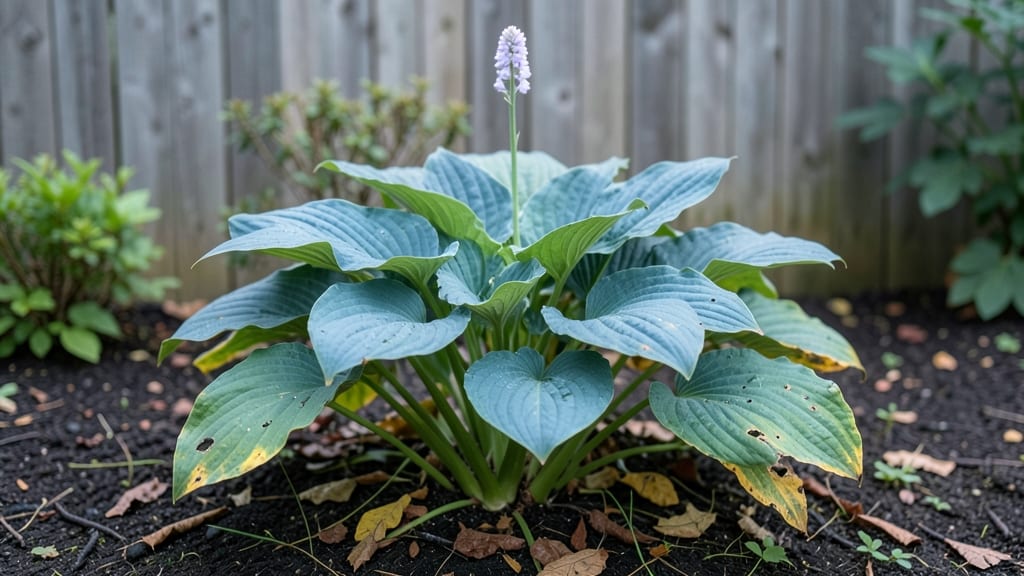
Small garden images reveal how clever design turns limited space into lush, functional oases—proof that impact doesn't require square footage. 🌿 I spent years collecting photos of urban courtyards, rooftop patches, and alleyway gardens where every inch counts, and the patterns always surprise me.
What looks like a postage stamp becomes a vibrant retreat with the right plant choices and structural tricks.
The best small garden images show layouts that work in any climate, from Mediterranean courtyards packed with drought-tolerant succulents to shady New England patios thriving with ferns and hostas.
Vertical gardens, raised beds, and multi-level planters appear again and again—because they solve the biggest challenge: making plants feel abundant when space is tight. Even my own 6x8-foot balcony now produces more than my first full-size garden did.
You'll spot recurring design secrets: mirroring plants on either side of a path to create depth, using light-colored gravel to make small areas feel larger, and choosing foliage with varied textures so the eye has something to explore.
The color palettes in these images prove that restraint works best—three or four complementary hues create harmony, while bold contrasts feel overwhelming in tight spaces.
These layouts adapt easily to apartments, townhouses, or suburban side yards. The key is starting with what you love—whether it's fragrant herbs, bold annuals, or evergreen shrubs—and building around that. Let these images inspire your own space-savvy vision.
📚 In This Guide
- What you need
- Instructions
- Tips and common mistakes
- Wrapping up and next steps
What you need
- ● Soil & Amendments: High-quality potting mix or garden soil (5–10 bags, depending on space; ~2–3 cubic feet per plant)
- ● Compost (2–3 bags) for nutrient-rich soil
- ○ Perlite or vermiculite (1 bag) for drainage (optional but recommended for containers)
- ● Plants & Shrubs: Dwarf or compact shrubs (e.g., boxwood, dwarf hydrangea, or abelia; 3–5 plants for structure)
- ● Perennials/annuals (e.g., ferns, heuchera, or petunias; 5–10 plants for color/texture)
- ● Vines (e.g., clematis or ivy; 1–2 plants for vertical interest)
- ● Containers & Planters: 1–3 large pots (12–18" diameter) for shrubs
- ● 5–10 smaller pots (6–10" diameter) for perennials/annuals
- ○ Vertical planters or wall-mounted pockets (optional for space-saving)
- ● Tools: Trowel or hand shovel
- ● Garden gloves
- ● Pruners (bypass pruners for clean cuts)
- ● Measuring tape (for spacing plants)
- ● Watering can or hose with spray nozzle
- ● Decorative Elements: Gravel or mulch (1–2 bags) for pathways or ground cover
- ● Garden stakes or trellises (for climbing plants)
- ● Solar-powered lights (string lights, stake lights, or lanterns)
- ● Wind chimes, bird feeders, or small sculptures for personality
- ● Functional Upgrades: Raised beds (if ground space is limited)
- ● Self-watering planters (for low-maintenance greenery)
- ● Foldable furniture (e.g., bistro sets or hanging chairs)
- ● Maintenance: Slow-release fertilizer (granular or spikes)
- ● Organic pest control (neem oil or insecticidal soap)
Step-by-Step guide to designing stunning small garden layouts
Let’s transform your tiny space into a lush, functional garden with these proven design principles.
🌱 Step 1: Define Your Garden’s Purpose and Zones
Start by sketching your space on paper—even rough measurements help. Small gardens thrive when every inch serves a purpose. I like to divide mine into three zones: functional (herbs, veggies), aesthetic (flowers, focal plants), and relaxation (seating, pathways). For example, a 4x4-foot patio can fit a small herb spiral in one corner and a cozy seating nook in another.
Measure walkways and doorways to ensure they stay accessible. You’ll want at least 18 inches of clearance between seating areas and plant beds. If space is ultra-tight, consider vertical gardening—wall-mounted planters or trellises free up floor space while adding drama. Think about how you’ll move around the garden; a winding path adds charm but shouldn’t feel cramped.
☀️ Step 2: Choose Plants That Thrive in Limited Space
Small gardens need plants that pack a punch without sprawling. I opt for compact varieties like dwarf conifers, bush beans, and thyme instead of their full-size counterparts. For height, use tiered planters or espaliered fruit trees—apple or pear varieties trained against a wall save space while adding year-round interest.
Layer plants by height: tallest in back (like ornamental grasses), mid-height (shrubs, perennials), and low-growing (ground covers, annuals). This creates depth visually and makes the most of vertical space. For example, a 3-foot-tall trellis behind a seating area instantly adds dimension. Avoid plants that outgrow their space—check mature sizes before buying!
🪴 Step 3: Optimize Containers and Vertical Elements
Containers are your best friend in small gardens. Use stackable pots for herbs and succulents, and hang baskets for trailing plants like nasturtiums or petunias. I group containers in odd numbers (3 or 5) for a natural, balanced look. For example, three 12-inch pots in a triangle create a focal point without overwhelming the space.
Vertical gardening is a game-changer. Install wall-mounted planters or a pocket planter system on fences to grow veggies like cherry tomatoes or lettuce. Even a simple wooden pallet with soil and plants adds greenery without taking up ground space. Just ensure your vertical elements get the right light—most need 6+ hours of sun daily.
✂️ Step 4: Add Pathways and Functional Details
Pathways define your garden’s flow and keep soil contained. Use stepping stones or a gravel path to create clear walkways—even a 2-foot-wide strip of mulch or decomposed granite works. For ultra-small spaces, a wooden deck or composite planks can double as seating and pathways. Avoid wide paths; they eat up precious real estate.
Incorporate functional details like a small water feature (a tiny tabletop fountain adds tranquility) or built-in storage (a bench with hidden compartments for tools). Even a wall-mounted bike rack or foldable chairs can serve double duty. The key is to blend utility with beauty—every element should feel intentional, not cluttered.
💧 Step 5: Lighting and Finishing Touches for Nighttime Appeal
Small gardens glow at night with the right lighting. I use solar-powered stake lights along pathways and string lights draped overhead for a cozy vibe. For a modern look, LED spotlights highlight focal plants like a small tree or sculpture. Even a single lantern on a table adds warmth without overwhelming the space.
Finish with textures and colors that tie everything together. A single bold-colored pot or a weathered wooden trellis can anchor the design. Keep it simple—too many accents compete for attention in a small garden. Step back and ask: Does this add to the space, or does it distract? If it’s the latter, edit it out.
Tips & tricks for perfect small garden designs
Small gardens are all about maximizing impact with minimal space—here’s how to elevate your layout from good to stunning.
Scale with Intention: In Step 1, when sketching your garden, remember that oversized elements (like oversized pots or furniture) make small spaces feel cluttered. Instead, opt for miniature versions of classic features—think tiny benches, small water features, or dwarf trees. For example, a 3-foot-tall trellis (mentioned in Step 2) works beautifully because it adds height without overwhelming the space. Proportion is everything!
Layer Like a Pro: The height layering in Step 2 is your secret weapon for creating depth. Start with tallest plants in back (like ornamental grasses or small shrubs) and work your way down to mid-height and low-growing varieties. This trick makes even the tiniest garden feel expansive. For instance, a 4x4-foot patio can look twice as big when you stack plants vertically. Use stackable pots (from Step 3) to add extra layers without taking up floor space.
Functional Flexibility: In Step 4, when adding pathways, think beyond just walkways. A 2-foot-wide strip of mulch can double as a seating ledge or a border for a raised bed. For ultra-tight spaces, consider foldable chairs or wall-mounted bike racks—these serve double duty while keeping the space uncluttered. The key is to blend utility with aesthetics so every element feels intentional.
Lighting for Magic: The nighttime appeal in Step 5 is where small gardens truly shine (literally!). Solar-powered stake lights along pathways create a warm, inviting glow without needing electricity. For a cozy vibe, drape string lights overhead or place a single lantern on a table. Even a LED spotlight highlighting a small tree or sculpture adds drama. Just remember: less is more—too many lights can make the space feel chaotic rather than charming.
Pro Tips for Images Of Small Gardens
- Small gardens are all about maximizing impact with minimal space—here’s how to elevate your layout from good to stunning.
- Scale with Intention: In Step 1, when sketching your garden, remember that oversized elements (like oversized pots or furniture) make small spaces feel cluttered.
- Layer Like a Pro: The height layering in Step 2 is your secret weapon for creating depth.
Frequently asked questions
Got questions about transforming small gardens into stunning spaces?
Here are some of the most common queries—and their answers—to help you get started with confidence! Whether you're dealing with space constraints, design dilemmas, or plant care, we’ve got you covered.
What are the best plants for a small garden?
Opt for compact, low-maintenance plants like dwarf shrubs (e.g., boxwood or lavender), vertical climbers (e.g., ivy or clematis), and ornamental grasses. Succulents and herbs also thrive in tight spaces while adding texture and fragrance. Layering plants by height creates depth without bulk!
How can I make a tiny garden look bigger?
Use light colors for walls/fences, mirrors or reflective surfaces, and vertical gardening (trellises, hanging planters). Avoid clutter—stick to a few statement plants and keep pathways clear. Illusionary elements like pebble paths or raised beds can also expand the visual space.
When is the best time to plant in a small garden?
For perennials and shrubs, spring (after the last frost) or early fall is ideal. Annuals can go in after soil warms up (late spring). Bulbs (like daffodils) should be planted in fall. Always check your USDA zone for timing tips!
What’s a budget-friendly way to design a small garden?
Start with DIY projects: upcycle containers (buckets, pallets), use gravel or mulch instead of expensive pavers, and propagate plants from cuttings. Thrift stores often have vintage planters or decor. Focus on one standout feature (e.g., a small fountain or colorful flowers) to maximize impact.
How do I keep pests out of a compact garden?
Prevent pests with natural barriers like copper tape (for slugs) or companion planting (e.g., marigolds deter aphids). Neem oil or soapy water sprays are gentle solutions. Ensure good airflow by avoiding overcrowding—pests love tight, damp spaces!
How long does it take to see results in a small garden?
Fast-growing annuals (like sunflowers or nasturtiums) can bloom in 4–8 weeks. Shrubs and perennials may take 1–2 seasons to fill out. Vertical gardens (e.g., herbs on a wall) show progress quickly, while trellis climbers need patience—some take a year to fully cover!
Wrapping up and next steps
Small gardens prove that big dreams don’t need big spaces—just creativity and the right vision! From cozy seating nooks to lush vertical greenery, these layouts show how even the tiniest yards can become vibrant, functional retreats.
Whether you’re inspired by minimalist zen or bold floral bursts, the key is to play with proportions, textures, and smart storage.
Ready to transform your space? Start by sketching a rough layout or browsing our 15+ stunning small garden images for spark ideas. Grab a measuring tape, pick a focal point (like a trellis or fire pit), and let your green thumb shine! 🌿✨