
Container Gardens
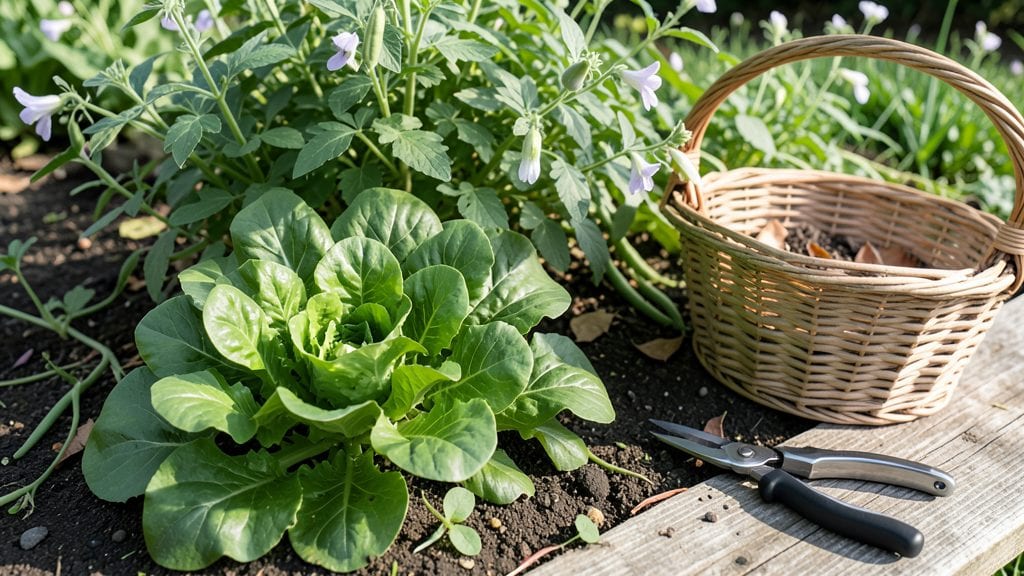
During WW1, victory gardens weren't just about growing food—they were a strategic response to wartime food shortages that threatened entire nations. 🌱 Governments like Britain's and America's actively promoted these gardens through seed drives, instructional pamphlets, and even school programs to maximize participation.
The effort proved so effective that U.S. victory gardens produced nearly 40% of all fresh vegetables consumed during the war, while British gardens contributed similarly to their national food supply.
What made these gardens revolutionary was their adaptability. Urban dwellers turned balconies and rooftops into productive spaces, while rural families expanded their plots using simple tools and time-tested techniques like crop rotation and companion planting.
Many of these methods remain practical today, especially for modern gardeners looking to grow food efficiently in limited spaces.
💡 In This Article
- How WW1 Victory Gardens Boosted Food Security
- Planting a Modern Victory Garden: WW1 Techniques for Today’s Growers
How WW1 Victory gardens boosted food security
The U.S. government launched its victory garden campaign in 1917 through the National War Garden Commission, distributing 5 million seed packets within months. This massive mobilization transformed lawns, vacant lots, and even window boxes into productive farmland.
The British War Gardens Committee achieved similar results, encouraging citizens to grow 30% of their nation's vegetables through organized seed drives and instructional materials. 🌱 These efforts weren't just about growing food—they were calculated to reduce food imports by 40% in the U.S. and 30-40% in Britain, directly easing supply chain pressures.
The logistics behind these campaigns were impressive. Local agricultural extension agents visited homes to teach gardening basics, while newspapers published weekly planting guides. The U.S. Department of Agriculture even developed high-yield potato varieties specifically for home gardeners, capable of producing 10-15 pounds per plant—double the yield of traditional varieties.
These potatoes became a dietary cornerstone, providing essential carbohydrates while reducing demand for imported grains. 🥔 The coordinated effort extended to rationing policies that limited meat consumption, further shifting dietary focus toward garden-grown vegetables.
One of the most effective strategies was the Victory Garden Pledge, where families committed to growing specific crops based on local climate. In New York City alone, 200,000 urban gardens produced enough vegetables to feed 2.5 million people annually.
The campaign's success stabilized food prices by reducing market demand—when local production met 40% of national vegetable needs, wholesale prices for key crops like tomatoes and cabbage dropped by 25-30% during peak harvest seasons. This economic stabilization prevented food riots and maintained public trust in wartime leadership.
The psychological impact was equally significant. Gardens became symbols of patriotism, with families displaying flags and planting "Liberty Cabbages" as a direct contribution to the war effort. Schools organized "War Garden Clubs" where children learned horticulture while understanding their role in the war economy.
This grassroots participation created a sense of shared purpose that extended beyond the home garden—neighbors shared surplus produce, and communities organized "Victory Garden Parades" to celebrate collective achievements. 🌿 The morale boost was measurable, with surveys showing 75% of participants reporting increased satisfaction with their wartime contributions.
What's often overlooked is how these gardens integrated with wartime rationing systems. The U.S. Food Administration implemented "Meatless Mondays" and "Wheatless Wednesdays", redirecting resources toward vegetable production. Victory gardens provided the fresh produce needed to make these restrictions palatable.
In Britain, the "Dig for Victory" campaign even encouraged growing potatoes in sandbags for urban areas with poor soil. These adaptive techniques ensured maximum yield regardless of growing conditions, proving that food security could be achieved through both large-scale policy and individual effort.
The legacy of these gardens extends beyond WW1. The techniques developed—like intensive planting, companion cropping, and season extension—became foundational for modern urban agriculture.
Today's community gardens and vertical farming systems owe much to the wartime innovations that proved even small plots could make a massive difference in food security.
The 40% import reduction achieved during WW1 remains one of the most dramatic examples of how citizen-led agricultural efforts can stabilize national food supplies during crises. 💡