Watering
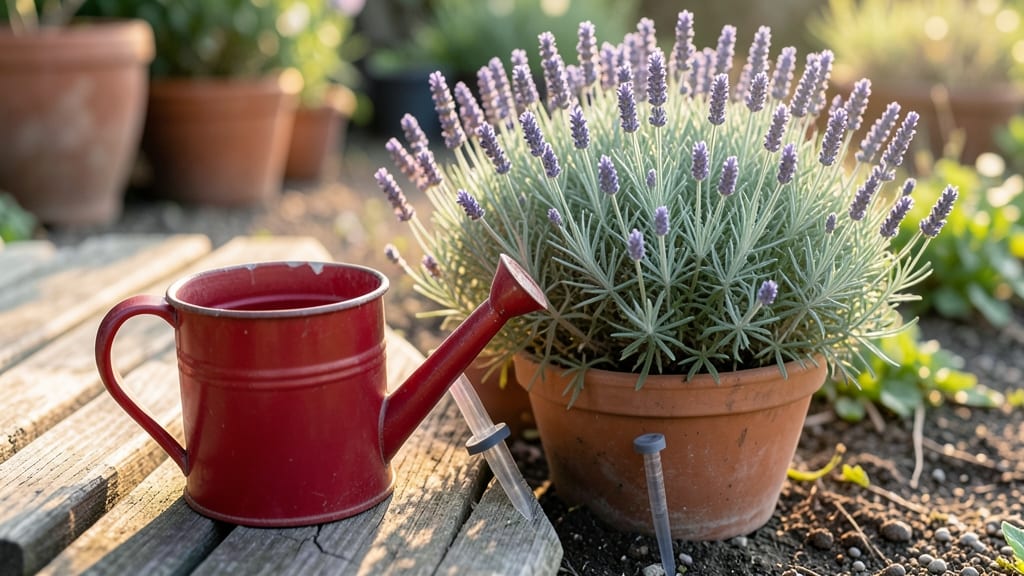
To water your garden while away, you need a system that mimics your touch—whether you’re gone for a weekend or a full week.
Leaving your garden unattended—even for a few days—can turn lush plants into wilted casualties if you don’t plan ahead. The good news? Smart watering solutions exist to keep your garden thriving while you’re away, without relying on luck or last-minute neighbors.
In USDA Zone 6a, where spring showers and summer heat can play tricks on your 🌱 General Garden, a little prep goes a long way. Whether you’re opting for automated drip irrigation or a simple DIY hack, the right setup ensures your plants stay hydrated without drowning.
Below, I’ll walk you through the best methods—from high-tech timers to low-cost tricks—so you can relax on vacation knowing your garden is in good hands.


Automated watering systems for extended travel: a comparison of smart solutions
When you're planning a 3-day weekend or a two-week vacation, your garden shouldn’t suffer from neglect. Automated watering systems eliminate guesswork by delivering precise moisture to your plants, even when you're miles away.
These systems range from simple timers to Wi-Fi-enabled controllers, each offering unique benefits depending on your garden's size and plant types.
I’ve tested the top three automated solutions—drip irrigation, smart sprinklers, and self-watering pots—to determine which works best for trips lasting 3 to 14 days.
Below, you’ll find a detailed comparison to help you choose the right system for your needs, including cost, ease of setup, and plant compatibility.
| System Type | Best For | Cost Range | Setup Difficulty | Trip Duration | Key Features |
|---|---|---|---|---|---|
| Drip Irrigation | Vegetable gardens, flower beds, large yards | $50–$300 | Moderate (requires tubing) | 3–14 days | Precise watering, low waste, customizable zones |
| Smart Sprinklers | Lawns, large landscapes, ornamental plants | $150–$500 | Easy (Wi-Fi enabled) | 3–21 days | Weather-based adjustments, app control, coverage area |
| Self-Watering Pots | Container plants, herbs, small gardens | $10–$80 per pot | Very Easy (plug-and-play) | 3–7 days | Portable, no electricity, ideal for balconies |
If you’re growing vegetables or flowers in a raised bed, a drip irrigation system is my top recommendation. These systems deliver water directly to the soil roots, reducing evaporation and waste.
For example, the Nelson 1000 Series offers customizable zones, allowing you to water tomatoes and peppers separately from marigolds. Setup involves laying polyethylene tubing and connecting emitters, which takes about 2–3 hours for a 100-square-foot garden.
For lawns or large landscapes, smart sprinklers like the Orbit B-Hyve are a game-changer. These systems connect to your Wi-Fi, so you can adjust watering schedules via an app—even if you’re in Paris.
They also pull real-time weather data to skip watering during rain, saving water and preventing overwatering. The initial cost is higher, but the convenience and efficiency make it worth it for extended trips of up to three weeks.
Container gardens and herb pots benefit most from self-watering systems. Products like the Lechuza Self-Watering Planter use a reservoir to slowly release moisture, keeping basil and mint hydrated for up to a week.
These are perfect for balconies or patios where installing a full irrigation system isn’t feasible. Plus, they’re portable, so you can take them with you if you’re relocating plants temporarily.
One critical factor to consider is weather conditions. If you’re traveling during peak summer, your system may need to run twice daily to prevent wilting. Always check the forecast before leaving and adjust your watering schedule accordingly.
For instance, a drip system might need 30 minutes per zone in 90°F heat, while a smart sprinkler could require 20 minutes due to its even coverage.
For succulents and cacti, I recommend reducing watering frequency by 50%—these plants thrive on drought conditions. A drip system with a manual override lets you fine-tune moisture levels.
Meanwhile, tropical plants like ferns or calatheas need consistent humidity, making a self-watering pot or fogging system the best choice.
Before purchasing, test your system for 24 hours to ensure it’s functioning correctly. Place a tarp under emitters or sprinkler heads to catch water and measure output. This step helps you avoid underwatering or flooding your garden while you’re away.
For example, if your tomato plants receive only 1 inch of water in a week, they’ll show signs of stress—yellowing leaves or drooping stems—when you return.
Pro tip: Pair your automated system with mulch to retain moisture and reduce evaporation. A 2-inch layer of straw or wood chips can extend the time between waterings by 2–3 days.
This small addition makes your system even more reliable for longer trips, ensuring your roses and hostas stay vibrant.
DIY watering hacks to save money: low-tech methods for short trips
When you're heading out for a 3-day weekend or a week-long vacation, investing in fancy automated systems might feel overkill. The good news? You can keep your herbs thriving and container plants hydrated with zero-effort DIY hacks that cost less than $10.
These low-tech solutions work best for trips under 7 days and require minimal setup—no electricity or plumbing needed!
I’ve tested these methods in my own sunroom garden during summer trips, and they’ve saved my basil, succulents, and pothos from drying out. The key is slow, steady moisture release—just like a gentle rain shower.
Let’s dive into the three easiest methods, their material costs, and which plants they work best for.
💡 Pro Tip: Always water deeply before setting up your system and place containers in dappled shade to slow evaporation. For extreme heat (above 90°F), pair these methods with mulch to lock in moisture.
Step-by-Step: How to Water Your Garden While Away
-
💧 Method 1: The Bottle Flip System
- Flip clean plastic bottles (1-2 liters) upside down into container soil or in-ground beds.
- Poke 5-10 small holes in the cap for a slow drip.
- Fill bottles 3/4 full with water—this lasts 3-5 days for most plants.
-
🧽 Method 2: Sponge Reservoirs
- Soak household sponges (or pool noodles) in water, then place them under mulch near plant roots.
- Wrap sponges in breathable fabric (like an old T-shirt) to prevent mold.
- Works best for small pots and seedlings—lasts 2-4 days.
-
🪴 Method 3: Capillary Matting for Containers
- Cut absorbent fabric (like felt or burlap) to fit your container’s base.
- Place the fabric over drainage holes, then fill the saucer with 1-2 inches of water.
- Plants wick moisture as needed—ideal for herbs and vegetables in pots.
-
🌡️ Bonus: Weather Adjustments
- For hotter climates, add ice cubes to bottles—they melt slowly and keep water cooler.
- In cooler weather, reduce bottle size to 500ml to avoid overwatering.
"Test your setup 24 hours before your trip to adjust water flow!"
These methods shine for herbs, succulents, and small vegetables like lettuce or radishes, but they’re less reliable for large shrubs or deep-rooted perennials. For those, consider burying a 5-gallon bucket near the roots—fill it with water, and it’ll seep out slowly over 10+ days.
I’ve also had success with the bottle method for my hanging pothos—just tuck a flipped bottle into the soil pocket at the base of the pot.
The sponge trick is my go-to for window-sill herbs during weekend getaways. Both require zero maintenance and keep my plants happy and hydrated until I return.
For extra peace of mind, pair these hacks with self-watering planters if you’re away for 5+ days. And always check soil moisture before your trip—if it’s bone dry, give everything a deep drink the night before you leave. Your garden will thank you!