
Light Requirements
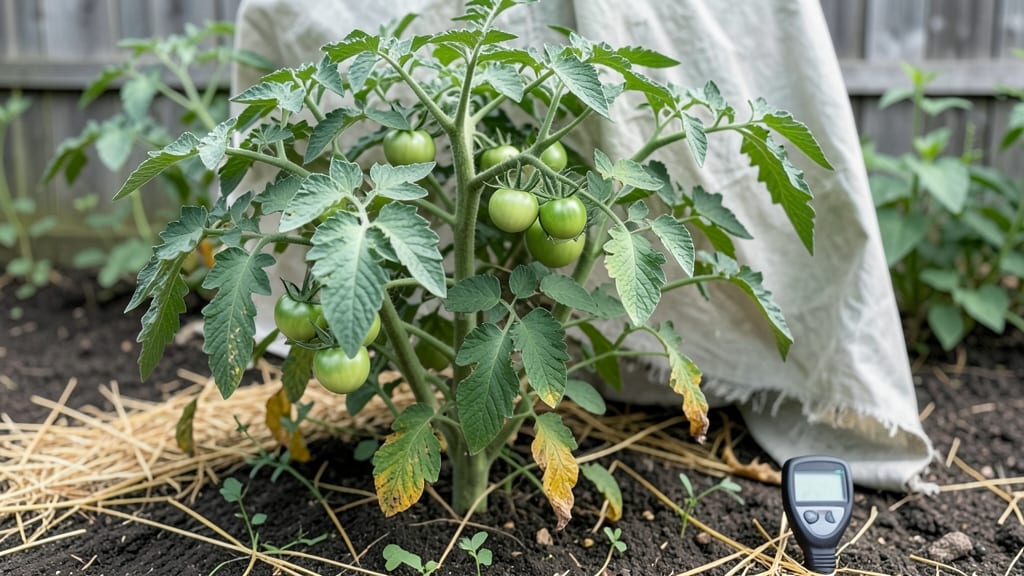
Determining how much sun for vegetable garden success is key—most plants thrive with at least 6 hours daily, though needs vary by crop and climate.
Struggling to decide where to plant your tomatoes or why your lettuce keeps bolting? Sunlight is the single most critical factor for a thriving vegetable garden—and getting it wrong can mean the difference between a bountiful harvest and wasted effort.
Most veggies, like tomatoes, peppers, and beans, crave full sun, while leafy greens and herbs can handle a little shade. But here’s the catch: even 30 minutes less sun per day can stunt growth or ruin flavor.
I’ll break down exactly how much light each plant needs, how to measure sunlight in your garden, and what to do if your space is shady.
By the end, you’ll know how to map out your garden for peak productivity—no guesswork, just more veggies, less frustration.

Sunlight requirements for vegetable gardens: full sun vs partial shade explained
Understanding how much sun your vegetable garden needs is like learning the secret language of plant success. Most vegetables thrive with 6+ hours of direct sunlight daily, but some—like lettuce or spinach—can handle partial shade (3-6 hours).
The key is matching your plants to their ideal light conditions to avoid stunted growth or bitter flavors. I’ve planted tomatoes in full sun only to watch them struggle when shaded by a new fence—until I moved them to their perfect spot!
Before you start rearranging your garden, let’s clarify the three sunlight categories: full sun (6+ hours), partial shade (3-6 hours), and shade (under 3 hours). These aren’t just arbitrary numbers—they directly impact your harvest.
For example, peppers and cucumbers wilt in partial shade, while bush beans and radishes tolerate less light. Misjudging sunlight can turn your garden into a science experiment you didn’t sign up for!
To measure sunlight in your garden, use a simple sunlight tracker: Place a white plate or a solar-powered garden light in potential spots for a week. Mark the hours it’s exposed to direct sunlight using a garden marker and string.
This DIY method reveals hidden shadows cast by trees, fences, or even your house. I once discovered a 6-foot-tall fence was blocking 2 hours of sun from my zucchini patch—a fix as easy as relocating the plants!
Here’s the golden rule: Most vegetables need full sun, but leafy greens and root crops often prefer partial shade, especially in hot climates. The confusion often comes from how we define "sun exposure."
A morning sun spot might feel sunny, but if it’s shaded by noon, it’s actually partial shade. Always check the peak sunlight hours (10 AM–4 PM), as that’s when plants need the most energy.
Now, let’s break down the sunlight needs with a quick-reference table to help you plan your garden layout like a pro.
| Sunlight Category | Hours of Sun | Best Vegetables | Risks of Too Little Sun |
|---|---|---|---|
| Full Sun | 6+ hours | Tomatoes, Peppers, Cucumbers, Corn, Eggplants, Okra | Stunted growth, poor fruiting, bitter flavors |
| Partial Shade | 3-6 hours | Leafy Greens (Spinach, Lettuce), Radishes, Bush Beans, Green Onions, Carrots | Bolting (premature flowering), leggy stems, low yield |
| Shade | Under 3 hours | Arugula, Swiss Chard, Kale, Turnips, Scallions | Slow growth, pale leaves, weak stems |
A common misconception is that "partial shade" means any dappled sunlight will do. In reality, 3-6 hours of direct sun is a strict guideline.
For example, my bush beans thrived in a spot with 4 hours of morning sun, but they struggled when I moved them to a shadier afternoon spot. The angle of the sun matters too—morning light is cooler and gentler, while afternoon sun can scorch delicate leaves.
If your garden has uneven sunlight, don’t despair! You can create microclimates by using reflective surfaces like white mulch or light-colored containers to bounce extra light onto shady spots. I’ve even used reflective garden fabric behind my lettuce patch to increase light exposure by 15%.
Another trick? Plant tall crops (like corn or sunflowers) on the north side of shorter plants to avoid shading them entirely.
For container gardens, sunlight needs are even more critical since you can’t move pots as easily. Place your tomato containers on a sunny patio or balcony, but avoid spots where they’ll be shaded by nearby structures.
I once had a thriving pepper plant in a balcony pot until my neighbor’s new awning blocked its light—overnight, it went from vibrant to wilted. Always scout your space for hidden shade culprits like overhanging branches or tall buildings.
Pro tip: Observe your garden throughout the day, especially during solstices (summer/winter), when sunlight angles shift dramatically. In winter, your 6-hour sun spot might only get 4 hours due to the lower sun trajectory.
Adjust your planting schedule accordingly—some crops, like kale or spinach, actually prefer cooler, shadier conditions in summer and can handle full sun in winter.
Remember, sunlight isn’t just about quantity—it’s about quality. Direct sunlight fuels photosynthesis, while filtered or reflected light won’t cut it for sun-loving crops.
If you’re still unsure, start with a small test plot of your sunniest spot and experiment with one or two crops before committing to a full garden layout. Your future harvest—and your sanity—will thank you!
Best vegetables for low-sun gardens: what to grow in shady spots
Not all hope is lost if your garden only gets a few hours of sunlight! Many vegetables thrive in low-light conditions, especially leafy greens and root crops that evolved to grow under tree canopies or in woodland edges.
The key is choosing the right varieties and optimizing their growing conditions—think moisture retention, nutrient-rich soil, and protection from harsh winds that can stress shade-loving plants.
Before diving in, remember that "shade" isn't a one-size-fits-all term. Partial shade (3-6 hours of sun) is ideal for most shade-tolerant veggies, while deep shade (under 3 hours) limits options to the hardiest varieties.
Even in shady spots, reflective surfaces (like white walls or mulch) can bounce extra light onto your plants, giving them a growth boost.
Spinach, kale, Swiss chard, and lettuce (especially butterhead or arugula) thrive in partial shade. Avoid bolting by keeping soil cool and moist.
Carrots, radishes, and turnips grow well in partial shade, but avoid deep shade where roots may become stunted or forked. Loosen soil to prevent resistance.
Green onions, garlic, and leeks tolerate shade better than onions. Harvest green onions early to avoid bolting in low light.
Broccoli, cabbage, and Brussels sprouts need slightly more light but can handle partial shade. Start with slow-bolting varieties like 'Waltham 29' cabbage.
Tomatoes, peppers, eggplants, and cucumbers require 6+ hours of sun. Plant these in sunnier areas or use grow lights for container gardens.
For maximum yield in shady spots, prioritize nutrient-dense soil—amend with compost or well-rotted manure to compensate for lower photosynthesis. Mulch heavily with straw or shredded leaves to retain moisture and regulate soil temperature.
I’ve had great success growing Swiss chard under a large oak tree, where it produced vibrant stems and tender leaves all season long.
If your garden is extremely shady, consider vertical gardening to make the most of limited space. Trellises for pole beans or sugar snap peas can capture dappled sunlight and improve air circulation, reducing disease risk.
Even microgreens like pea shoots or radish sprouts can grow indoors under grow lights if outdoor shade is too intense.
Pro tip: Monitor your plants’ growth patterns. If leaves turn yellow or pale, they’re likely craving more light—try moving them to a slightly sunnier spot or supplementing with a reflective mulch (like white gravel) to bounce light upward.
With the right choices, a shady garden can be just as productive as a sun-drenched one! 🌿