
Blooming
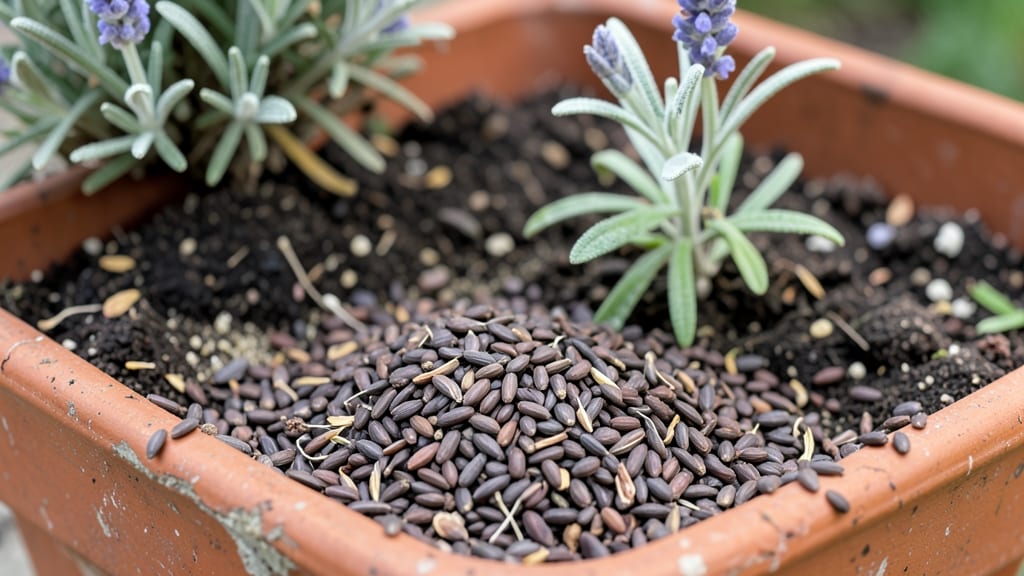
Knowing how long garden seeds stay good for helps you avoid wasted efforts—most remain viable for 1-5 years, with vegetables like tomatoes lasting 1-2 years and hardy seeds like peas or beans often good for 3-5 years. Storing them in cool, dry conditions is key to preserving their germination potential.
Seed lifespan varies wildly depending on the plant type, with some—like onions or leeks—losing viability in just 1-2 years, while others, such as beans or peas, can last up to five years. 🌱 The secret to extending their shelf life lies in controlling moisture, temperature, and oxygen exposure.
Even a slightly damp seed packet can trigger mold growth, while exposure to heat or light speeds up deterioration. I always recommend testing old seeds with the paper towel method before planting, as germination rates can drop dramatically over time.
For maximum freshness, store seeds in airtight containers with silica gel packets to absorb excess moisture. A refrigerator's crisper drawer works well for short-term storage, but for long-term preservation, consider a freezer—just be sure to label everything clearly.
Avoid storing seeds in their original packets, which often lack proper sealing, and never leave them in direct sunlight or humid environments. These small adjustments can make the difference between a thriving garden and a failed planting season.
💡 In This Article
- Seed Viability Factors: What Determines Longevity
- Optimal Seed Storage Solutions for Maximum Freshness
Seed viability factors: what determines longevity
Seed longevity hinges on three critical factors: moisture, temperature, and oxygen exposure. Moisture is the silent killer—even a 5-10% humidity increase inside storage can trigger fungal growth or enzymatic reactions that degrade the seed's cellular structure.
At 30-40°F, seeds enter a metabolic stasis, slowing down biochemical processes that cause deterioration. Oxygen exposure accelerates oxidation, which breaks down essential fatty acids and proteins in the seed's embryo. 🌱 This is why hermetic storage (complete oxygen exclusion) can extend viability by 20-30% compared to standard airtight containers.
The seed coat plays a crucial protective role—thicker coats like those on peas or beans shield internal structures better than delicate coats on onion or leek seeds, which degrade faster due to thinner protective layers.
For example, onion seeds lose 50% viability within 12 months under ideal conditions, while pea seeds may retain 80% germination after 3 years. The science lies in the seed's abscisic acid levels, which decline over time, reducing dormancy and accelerating aging.
Germination rates decline predictably over time, following what botanists call the "viability curve." Most seeds experience a 5-10% annual decline in germination when stored properly. After 5 years, many common garden seeds drop below 50% viability.
The paper towel test reveals this—place seeds between damp paper towels in a sealed bag for 3-5 days at 70°F. Count how many sprout compared to the total; if fewer than 70% germinate, it's time to replenish your supply. 💛 This simple test saves money by avoiding failed plantings.
Light exposure also matters—even indirect sunlight can increase seed temperature by 5-15°F, accelerating metabolic activity. Store seeds in opaque containers or wrap them in aluminum foil to block light.
The 100-year-old seeds discovered in Arctic permafrost that still germinated highlight how extreme cold preservation works—freezing halts all biological activity, while room temperature storage (68-75°F) reduces lifespan by 30-50% compared to refrigeration.
Some seeds contain natural antioxidants that extend their shelf life. For instance, tomato seeds have higher lycopene content, which protects cellular membranes, while carrot seeds contain beta-carotene that slows oxidation.
This is why heirloom varieties often outlast hybrid seeds—breeding for specific traits sometimes reduces natural protective compounds. 🌿 Understanding these biological mechanisms helps you make smarter storage choices and maximize your seed bank's potential.
What most gardeners overlook is the seed maturity at harvest. Seeds harvested at peak ripeness (when moisture content drops to 8-12%) last significantly longer than underripe seeds.
Test this by comparing germination rates between fresh and 1-year-old seeds from the same packet—you'll often see a 20-30% difference in viability, proving that proper harvesting techniques matter just as much as storage conditions.