
Advice
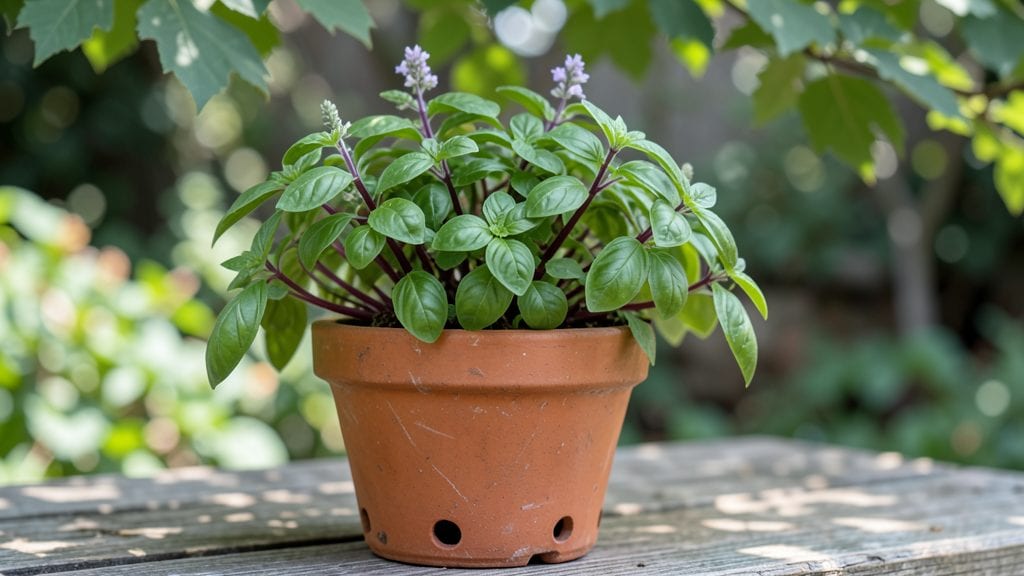
Herbs gardening starts with resilient varieties like basil, parsley, and chives, which flourish with minimal effort across USDA zones 3-10. Begin with seeds or young plants in well-draining soil, providing partial sunlight for optimal growth.
These hardy herbs aren't just beginner-friendly—they're also incredibly forgiving. 🌱 For example, parsley thrives in cooler climates while basil loves warmth, making them perfect for different garden spots.
Most need just 6-8 hours of sunlight daily and water when the top inch of soil feels dry, which saves time and prevents overwatering mistakes. I've found that container gardening works beautifully for these, letting you move plants to follow the sun or protect them from harsh weather.
💡 In This Article
- Top 10 Beginner-Friendly Herbs and Their Growth Requirements
- How to Plan Your Herb Garden by Climate and Space
Top 10 beginner-friendly herbs and their growth requirements
When starting with aromatic plants, mint takes the crown for hardiness—it grows aggressively even in partial shade and thrives in USDA zones 3-11.
Its square stems and bright green leaves contain menthol oils that repel pests, making it a natural garden companion. 🌿 The key to success is controlling its spread; plant it in containers or dedicated beds with buried barriers to prevent roots from invading other plants.
For sun lovers, thyme and oregano are perfect choices, both flourishing in 6-8 hours of direct sunlight daily and tolerating USDA zones 5-9. Thyme's woody stems and tiny leaves release a piney aroma when brushed, while oregano's broad leaves pack a robust flavor.
Both prefer well-draining soil with pH 6.0-8.0—a simple soil test kit can verify this. Water them only when the top inch feels dry; their drought-resistant nature means overwatering is their biggest enemy.
If you're in cooler climates (USDA zones 3-7), parsley and cilantro shine as biennials that regrow yearly. Parsley's curly or flat leaves need 4-6 hours of sunlight and moist soil, while cilantro's delicate fronds bolt quickly in heat—harvest early or plant in spring/fall.
Both thrive in 60-70°F temperatures, making them ideal for early spring or late summer gardens.
For year-round harvests, chives and dill offer continuous growth. Chives form grass-like clumps that regrow after cutting, while dill's feathery leaves attract beneficial insects. Both prefer full sun (6+ hours) and USDA zones 3-10, but dill's tall stalks may need staking.
Their shallow roots make them perfect for containers—just ensure pots have drainage holes to prevent root rot.
Don't overlook rosemary, a perennial that thrives in USDA zones 7-10 with 6-8 hours of sunlight and minimal watering. Its needle-like leaves contain rosmarinic acid, which repels mosquitoes naturally. Prune regularly to encourage bushier growth and avoid woody stems.
For shade-tolerant options, lemon balm and sage grow well in partial shade (3-4 hours of sun) and USDA zones 4-9, though sage prefers drier conditions.
Here's a quick reference for sunlight needs:
- Full sun (6+ hours): Thyme, oregano, rosemary, dill, chives
- Partial sun (3-6 hours): Parsley, cilantro, lemon balm, sage
- Partial shade (3+ hours): Mint, basil (in hot climates)
Most of these herbs prefer loamy soil with good drainage—amend heavy clay with compost or sand. Mulching helps retain moisture while suppressing weeds, saving you 30-50% of watering time. 💫