
Size
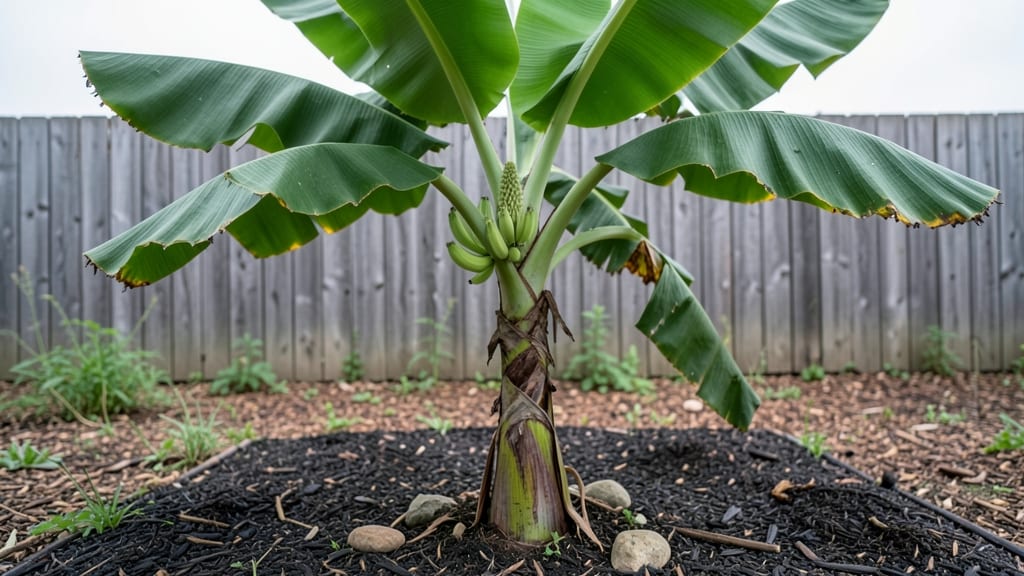
Growing a banana tree in your garden means tropical foliage and sweet rewards—even if you only have a patio. I’ve grown dwarf varieties in containers for years, and they’ve outlasted my other tropical plants by a mile.
The key isn’t luck; it’s matching the right variety to your space and climate, then giving it the care it craves.
Start with a dwarf banana like ‘Dwarf Cavendish’ or ‘Lady Finger’—they stay manageable in containers and produce fruit within 2-3 years. You’ll need a 15-20 gallon pot for mature plants, well-draining soil mixed with compost, and a spot that gets full sun (or at least 6+ hours daily).
In colder zones, bring pots indoors before frost, but don’t worry—these trees handle indoor light better than most houseplants.
Once established, your banana tree will shoot up 6-10 feet tall with broad, velvety leaves that feel like a mini rainforest. The real magic happens when it flowers: a dramatic 6-foot-tall stalk emerges, followed by clusters of sweet, creamy bananas—even in containers.
The harvest isn’t annual, but the foliage alone makes it worth it.
Containers work beautifully, but in-ground planting is easier long-term if you have space. Just avoid soggy soil—they hate wet feet—and fertilize monthly with banana-specific mix during growing season. Patience is the only trick: it takes time, but the payoff is a tropical statement piece that keeps giving year after year.
📚 In This Guide
- What you need
- Instructions
- Tips and common mistakes
- Wrapping up and next steps
What you need
- ● Banana plant (Musa spp.): Choose a dwarf variety like Musa acuminata 'Dwarf Cavendish' or Musa balbisiana 'Ice Cream' for containers. Buy a 1-2 year old plant from a nursery.
- ● Well-draining potting mix: A blend of 50% peat moss or coconut coir, 30% perlite or vermiculite, and 20% compost (for containers). For in-ground planting, amend soil with compost and sand (1:1 ratio).
- ● Container (if applicable): A 15-20 gallon pot with drainage holes (minimum 18" diameter for dwarf varieties). Larger pots (24"+) support bigger plants.
- ● Slow-release fertilizer: Look for a balanced 10-10-10 or 12-12-17 NPK with micronutrients (e.g., Osmocote). Apply 1-2 tbsp per planting hole or follow label instructions.
- ● Mulch: 3-4 inches of organic mulch (straw, wood chips, or pine bark) to retain moisture and regulate soil temp.
- ● Garden gloves: Protect your hands from thorns and rough soil.
- ● Trowel or shovel: For digging planting holes (12-18" deep for containers, 2x wider than root ball for in-ground).
- ● Watering can or hose with gentle spray nozzle: Banana trees love 1-2 inches of water weekly (more in heat).
- ● Pruners or sharp knife: For trimming dead leaves or suckers (sterilize with rubbing alcohol!).
- ○ Support stake (optional): A 6-8 ft bamboo stake or metal trellis to tie mature stems (if growing in windy areas).
- ● Sunlight access: Full sun (6+ hours/day)—partial shade tolerates 4-6 hours but reduces fruit production.
- ● Warm climate or greenhouse (for cold regions): Banana trees thrive in USDA Zones 10-11. In cooler areas, grow in containers and overwinter indoors (60°F+).
- ● Epsom salt: 1 tbsp/month in water for magnesium boost (prevents yellowing leaves).
- ● Drip irrigation system: Automates watering for consistent moisture.
- ● Banana tree fertilizer spray: Foliar feed like fish emulsion for extra nutrients.
- ● Thorn-proof barrier: If planting near pathways, use landscape fabric to deter curious pets/kids.
Step-by-step instructions for growing garden banana trees
Here’s how to cultivate a thriving garden banana tree, whether in a container or small yard.
Choose the Right Variety and Planting Location
Select a dwarf variety like ‘Dwarf Cavendish’ or ‘Lady Finger’ for smaller spaces. These grow 8-12 feet tall and thrive in USDA Zones 10-12, though you can overwinter them indoors if you live in cooler climates. Place your banana tree in a spot with full sun—at least 6-8 hours daily—and well-draining soil. If growing in a container, ensure it’s at least 20 gallons to accommodate the root system.
Banana trees need warmth and humidity, so if you’re in a cooler zone, position the plant near a south-facing wall or use a grow light for 12-14 hours daily during shorter winter days. Avoid frost—even a light freeze will kill the plant. If you’re container-growing, move the pot indoors before temperatures drop below 50°F.
Prepare the Soil and Plant the Rhizome
Banana trees thrive in rich, slightly acidic soil (pH 5.5-6.5) with excellent drainage. Mix 3 gallons of potting soil with 1 gallon of perlite or coarse sand to prevent root rot. If planting in the ground, amend the soil with 2-3 inches of compost and a slow-release banana fertilizer (look for one high in potassium and phosphorus).
Plant the rhizome (the thick, horizontal stem) 2-3 inches deep in the soil, with the buds facing upward. Space multiple plants 6-10 feet apart if growing in the ground. Water deeply after planting to settle the soil around the rhizome. Avoid overwatering—banana trees prefer moist but well-drained soil. You’ll know it’s right when the top 2 inches of soil feel slightly damp but not soggy.
Water and Fertilize for Healthy Growth
Water your banana tree 1-2 times per week, depending on the weather. During hot summer months, you may need to water every 2-3 days, but always check the soil first—top 2 inches should be dry before watering again. Banana trees are heavy feeders, so fertilize every 4-6 weeks during the growing season (spring through fall) with a balanced fertilizer (10-10-10 or 12-12-17). Reduce fertilization in winter when growth slows.
Watch for signs of nutrient deficiency, like yellowing leaves (potassium deficiency) or pale green leaves (nitrogen deficiency). If you notice these, adjust your fertilizer blend accordingly. Mulch around the base of the plant with 2-3 inches of organic mulch to retain moisture and regulate soil temperature. Keep the mulch 6 inches away from the trunk to prevent rot.
Prune and Support the Plant as It Grows
Banana trees don’t need much pruning, but remove dead or yellowing leaves to encourage new growth. If you’re growing in a container, the plant may lean—use a stake or bamboo support to keep it upright. Tie the pseudostem (the false stem) to the support with soft plant ties every 2-3 feet as it grows. This prevents the plant from toppling over, especially in windy conditions.
Once the plant produces a flower spike, you’ll need to hand-pollinate it if you want fruit. Banana trees are self-pollinating, but sometimes the flowers need a little help. Use a small brush to transfer pollen from one flower to another. If you’re not interested in fruit, you can remove the flower spike to redirect the plant’s energy into foliage growth.
Overwintering and Long-Term Care
If you’re growing in a container, move the plant indoors before the first frost. Place it in a bright, sunny spot with temperatures between 60-70°F. Reduce watering to once every 2-3 weeks, allowing the top 3-4 inches of soil to dry out between waterings. Avoid fertilizing during this time—let the plant rest.
In warmer climates, banana trees can remain outdoors year-round. However, they may go dormant in winter, dropping leaves. Don’t panic—this is normal. Resume regular care in spring when new growth appears. With proper care, your banana tree can live for 5-10 years, producing fruit and adding a stunning tropical touch to your garden.
Tips & tricks for perfect garden banana tree cultivation
These essential insights will help you cultivate a thriving banana tree that thrives in containers or small yards, avoiding common pitfalls that can stunt growth or even kill your plant.
Soil Composition and Drainage: The soil mix of 3 gallons potting soil to 1 gallon perlite or coarse sand is non-negotiable for preventing root rot. I've found that adding a handful of worm castings to this mix provides extra microbial activity that banana trees love. When planting in containers, ensure drainage holes are present—banana trees absolutely cannot tolerate soggy roots. Consider using a pot with feet to prevent water pooling underneath.
Light Requirements and Temperature Management: The 6-8 hours of daily sunlight requirement is critical, but don't assume just any sunny spot will work. South-facing windows or outdoor locations provide the most consistent light. For indoor growers using grow lights, position them 6-12 inches above the plant for the recommended 12-14 hours daily. I've learned the hard way that banana trees are extremely sensitive to temperature fluctuations—maintain consistent warmth above 60°F whenever possible, especially during the critical first year of growth.
Fertilization Strategy: The 4-6 week fertilization schedule with balanced 10-10-10 or 12-12-17 fertilizer is perfect, but timing matters. I always fertilize right after watering to prevent root burn. For container-grown plants, I use half-strength fertilizer during the first growing season since they have less root mass to support. Watch for those telltale deficiency signs—yellowing leaves between the veins indicate magnesium deficiency, while entirely yellow leaves suggest nitrogen issues that respond well to a quick boost of fish emulsion.
Overwintering Preparation: Moving your container-grown banana tree indoors before temperatures drop below 50°F is crucial, but don't just shove it in any corner. Place it near a south-facing window where it can still receive 4-6 hours of direct sunlight daily. I've found that banana trees actually benefit from a slight reduction in humidity during winter dormancy—this helps prevent fungal issues. Reduce watering to every 2-3 weeks by checking that top 3-4 inches of soil are completely dry before watering again.
Pro Tips for Grow A Garden Banana Tree
- These essential insights will help you cultivate a thriving banana tree that thrives in containers or small yards, avoiding common pitfalls that can stunt growth or even kill your plant.
- Soil Composition and Drainage: The soil mix of 3 gallons potting soil to 1 gallon perlite or coarse sand is non-negotiable for preventing root rot.
- Light Requirements and Temperature Management: The 6-8 hours of daily sunlight requirement is critical, but don't assume just any sunny spot will work.
Frequently asked questions
Got questions about growing your own garden banana tree? Here are some of the most common ones—and their answers—to help you get started with confidence!
How long does it take for a banana tree to bear fruit?
A banana tree typically takes 12–18 months to produce fruit from planting a pup or seedling. Dwarf varieties (like ‘Dwarf Cavendish’) may fruit faster—sometimes in as little as 9–12 months—while larger types can take up to 2 years. Patience is key, but with the right care, you’ll be harvesting soon!
Can banana trees survive cold weather?
Most banana trees are tropical and struggle in temperatures below 40°F (4°C). If you live in a colder climate, opt for cold-hardy varieties like Musa acuminata ‘Ice Cream’ or grow your tree in a container that you can move indoors during winter. A thick mulch layer can also help protect roots from frost.
Do banana trees need a lot of space, or can they grow in containers?
Dwarf banana trees thrive in 15–25 gallon containers with good drainage. Just ensure the pot is wide enough to support the root system (at least 12–18 inches in diameter). If growing outdoors, place the container in a sunny spot with partial shade in hot climates. Indoor growers can supplement with grow lights.
What pests or diseases should I watch for, and how do I treat them?
Common issues include:
- Banana aphids: Spray with soapy water or neem oil.
- Fungal diseases (like sigatoka leaf spot): Improve airflow, remove infected leaves, and apply copper fungicide.
- Root rot: Ensure pots have drainage holes and avoid overwatering.
Can I grow a banana tree from a store-bought banana?
Yes, but it’s a long process! Save the seed from a red banana (they have viable seeds), plant it in moist soil, and wait 6–12 months for germination. The resulting plant may take years to fruit and won’t be true to the parent variety. For faster results, buy a pup or young plant from a nursery.
Wrapping up and next steps
Growing a garden banana tree is a rewarding journey that brings a taste of the tropics to your space—whether in a cozy container or a small yard! 🌿 With the right soil, sunlight, and care, you’ll enjoy lush foliage, edible fruit, and even a stunning ornamental feature.
The key is patience and consistency, as these plants thrive with time and attention.
Ready to take the next step? Start by choosing your variety (like the compact ‘Dwarf Cavendish’) and gather your supplies. Then, plant with confidence—your tropical oasis is just a few months away! 🌱