
Pests
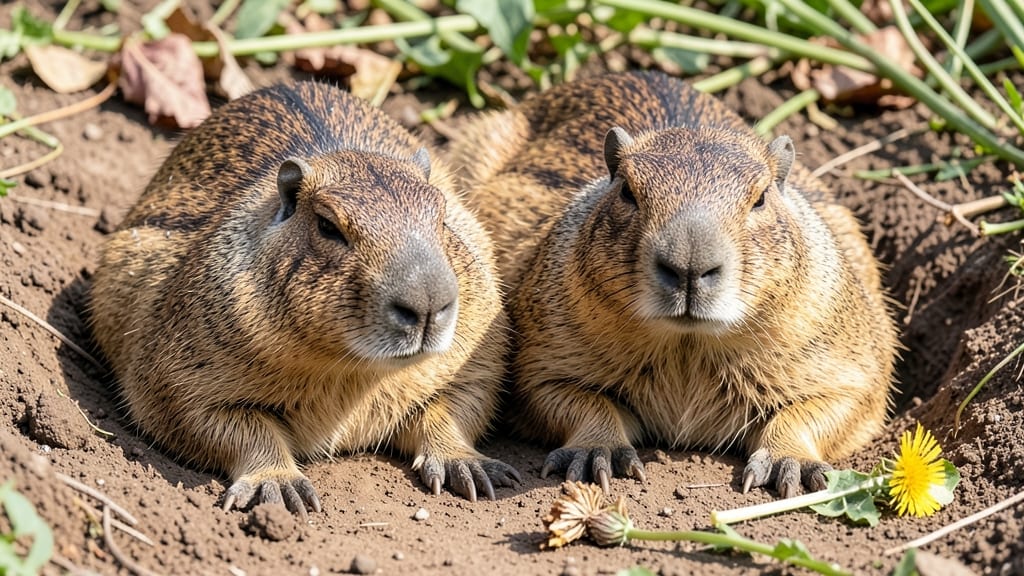
Groundhogs in the garden turn your hard work into a buffet. 🌿 I’ve lost entire rows of peas and lettuce to these burrowing troublemakers, but I’ve also learned how to outsmart them without harming them—or my plants. The key is combining physical barriers with natural deterrents that actually work.
Most people grab traps or poison first, but that’s a dead end (literally). Instead, I focus on three layers: hardware cloth buried around vulnerable plants, strong scents like predator urine or cayenne pepper spray, and motion-activated sprinklers that startle them away. It’s not instant, but it’s humane and effective.
Within a week, you’ll see them avoid your garden entirely. The plants stay intact, the soil stays undisturbed, and you avoid the guilt of trapping or harming wildlife. Plus, once they learn your garden isn’t worth the risk, they move on to easier targets.
Works for vegetable gardens, flower beds, and even small orchards. The same principles apply whether you’re dealing with one persistent groundhog or a whole colony. Here’s how to make it stick—without the drama.
The Real Culprits Behind Garden Diggers
Groundhogs—also known as woodchucks—don’t just wander into your garden by accident. Their presence is usually tied to a mix of natural instincts, habitat needs, and human activity. Understanding these root causes is the first step to keeping them out for good.
Groundhogs are herbivores with a hearty appetite, and your garden is basically an all-you-can-eat buffet for them.
Their diet includes: - Tender shoots and leaves (especially young plants, veggies, and flowers like tulips or daylilies). - Roots and bulbs (they’ll dig up carrots, potatoes, and even lawn roots for munching). - Grasses and clover (common in lawns and garden edges).
Why it happens: Groundhogs have a voracious appetite—they can eat up to 1 pound of vegetation per day during peak growing seasons. If your garden is lush, unprotected, or left with fallen fruit/veggies, it signals an easy meal. Their sharp incisors and strong digging claws make short work of garden beds, especially in early spring when fresh greens are scarce.
Actionable insight: 💡 Remove temptation by clearing debris, harvesting crops promptly, and avoiding overwatered lawns (which attract insects, a secondary food source).
Groundhogs are solitary creatures but need a safe, cozy spot to raise their young (called "kits").
They prefer: - Undisturbed, dense vegetation (brush piles, tall grass, or thick garden borders). - Loose, well-drained soil (ideal for digging burrows 4–6 feet deep). - Proximity to water (they drink daily and may dig near garden hoses or irrigation lines).
Why it happens:
- Spring breeding season (March–April) triggers frantic burrow-building. A female may dig multiple burrows to test for safety before settling.
- Urban sprawl reduces natural habitats, pushing groundhogs into backyards where soil is softer and food is plentiful.
- Existing burrows from previous years (or even rabbits/foxes) can be repurposed, making them harder to spot until damage appears.
Actionable insight: 🔥 Eliminate hiding spots by trimming tall grass, removing leaf litter, and securing compost piles. If you spot fresh diggings, fill them with wire mesh or hardware cloth (burrows collapse over time).
Groundhogs have an excellent sense of smell and rely on scent trails to navigate.
If one finds your garden: - They’ll mark it with urine or gland secretions to signal other groundhogs (even though they’re mostly solitary). - Damaged plants release volatile compounds, attracting more foragers. - Pet food or birdseed left outdoors can unintentionally lure them in.
Why it happens:
- Curiosity + reward system: A single successful feast in your garden = a repeat visit.
- Seasonal migration patterns: Groundhogs may pass through your area in fall/winter (while hibernating nearby) and return in spring to "claim" food sources.
- Lack of natural predators in suburban areas (coyotes and hawks are less common).
Actionable insight: 🌡️ Disrupt scent trails by:
- Rinsing garden beds with vinegar or citrus peels (masks plant smells).
- Placing predator urine (coyote/fox) around entry points (reapplied every 2–3 weeks).
- Avoiding nighttime feeding (groundhogs are crepuscular—active at dawn/dusk).
Groundhogs don’t raid gardens year-round—their activity spikes during critical life phases:
| Season | Behavior | Why It Matters |
|---|---|---|
| Early Spring | Digging burrows, eating fresh shoots | Post-hibernation hunger + nesting prep. |
| Late Spring | Aggressive feeding (peaks in May) | Young kits need protein-rich greens. |
| Fall | Stockpiling food (burying veggies) | Preparing for winter hibernation (Nov–March). |
Why it happens:
- Hibernation prep: Groundhogs double their body fat in fall by gorging on high-carb plants (like corn or beans).
- Kit-rearing: Mothers aggressively defend garden burrows from April–June, even attacking pets or humans.
- Weather shifts: Warm snaps in winter can wake them early, leading to "false hibernation" raids.
Actionable insight: ⏰ Time your defenses:
- Spring: Focus on burrow sealing and plant protection (row covers, fencing).
- Fall: Harvest crops early and remove fallen fruit to deny winter stashing.
Ironically, common gardening practices can invite groundhogs:
- Overwatering lawns → Soft soil = easier digging.
- Using mulch piles → Provides cover for burrows.
- Leaving pet food outdoors → Attracts groundhogs (and rats, which they’ll hunt).
- Planting groundhog favorites (e.g., beans, peas, hostas) without barriers.
Why it happens: Groundhogs are opportunistic—they exploit human-made weaknesses in garden defenses. A single unsecured compost bin or a gap in fencing can be all they need to turn your garden into their personal salad bar.
Actionable insight: 🎯 Audit your garden’s "invitation factors" and close loopholes:
- Store trash/compost in metal bins with locking lids.
- Replace wood chips with gravel near high-risk areas (groundhogs dislike the texture).
- Install motion-activated lights (they dislike bright surprises at night).
Humane Ways to Remove Burrowing Pests
Groundhogs (or woodchucks) digging up your garden can feel like a losing battle, but there are effective, humane solutions to evict them without harm. The key is combining repellents, exclusion methods, and habitat modification to make your yard less appealing.
Below, we break down cause-specific fixes—plus prevention tips to keep them away for good.
Groundhogs burrow for shelter, and once they’ve tunneled under your garden, they’ll keep coming back. Stop the digging fast with these methods:
🚧 Block Entry Points with Physical Barriers
- Install wire mesh or hardware cloth (at least ¼-inch mesh) around garden beds, buried 2 feet deep and extending 1 foot above ground to prevent digging.
- Use pre-made groundhog-proof fencing (available at garden centers) if you have a large area.
- 💡 Pro Tip: Bend the top of the fence outward slightly—groundhogs are strong climbers!
🌱 Disrupt Their Tunnel Network
- Flood their tunnels with a hose—this forces them out without harm. Repeat weekly until they relocate.
- Fill tunnels with loose gravel or coarse sand (they’ll avoid the uncomfortable texture).
- 🔥 Warning: Avoid traps or poisons—they’re inhumane and illegal in many areas.
🌿 Plant Groundhog-Resistant Crops
Some plants (like marigolds, daffodils, or alliums) have strong scents that repel them. Interplant these near vulnerable areas.
Groundhogs aren’t picky—they’ll munch on tomatoes, beans, lettuce, and even young trees. Outsmart them with these tricks:
🛡️ Use Natural Repellents (Safe & Effective)
Mix a homemade spray with:
- 1 part hot pepper sauce (like cayenne)
- 1 part dish soap
- 2 parts water
Spray on plants (reapply after rain). 🌡️ Test on a small area first—some plants may react.
🧂 Sprinkle Repellent Granules
- Gritty substances like diatomaceous earth (food-grade) or coarse salt around plants deter digging.
- 💡 Pro Tip: Reapply after watering—it loses effectiveness when wet.
🕵️ Monitor & Scare Them Off
- Motion-activated sprinklers (like ScareCrow) startle them away.
- Reflective tape or old CDs hung in trees can confuse them.
- 🎯 Place predator urine (coyote or fox) near entry points—groundhogs avoid the scent.
Persistent groundhogs mean they’ve found a safe, food-rich zone. Make your yard less inviting with these long-term fixes:
🌳 Remove Attractants
- Pick up fallen fruit (they love apples, berries, and melons).
- Secure compost piles with a tight lid.
- Avoid overwatering—wet soil attracts burrowers.
🏡 Modify Their Habitat
- Clear brush and tall grass (they nest in dense cover).
- Plant thorny bushes (like roses or barberry) near garden edges—they dislike prickly barriers.
- 🔥 Bonus: Keep pet food indoors—groundhogs are opportunistic eaters!
📅 Schedule Year-Round Prevention
- Fall: Seal gaps in sheds and decks before hibernation season.
- Spring: Check for fresh tunnels before planting.
- Summer: Reapply repellents every 2-4 weeks.
For maximum effectiveness, combine:
- Physical barriers (fencing/mesh)
- Natural repellents (sprays, granules)
- Habitat changes (remove food sources, disrupt nesting spots)
🚫 Avoid: Poison, traps, or relocation without permits (many states require licensed wildlife removal).
With patience and consistency, you’ll outsmart groundhogs and keep your garden thriving—without cruelty. 🌱💪
Frequently asked questions
How do I know if groundhogs are actually eating my plants?
Look for ragged holes in leaves (not clean cuts like insects) and dug-up soil mounds near plants. Groundhogs also leave chewed stems at ground level and may create tunnels under garden beds. Check for fresh tracks—large, five-toed prints with claw marks.
Will hardware cloth work better than chicken wire for groundhog protection?
Hardware cloth with ¼-inch or smaller mesh is far more effective than chicken wire (which has larger gaps). Bury it 2 feet deep and extend it 1 foot above ground—groundhogs can climb. Use staples or landscape spikes to secure it tightly.
Can I use cayenne pepper spray on my vegetable garden?
Yes, but test it first! Mix 1 tablespoon cayenne pepper, 1 teaspoon dish soap, and 1 quart water. Spray on plants (not soil) every 3-5 days or after rain. Avoid spraying leafy greens like lettuce—it can make them bitter.
What’s the best time of year to install groundhog deterrents?
Start in early spring (March-April) when groundhogs emerge from hibernation. Reinforce barriers in fall (September-October) before they prepare for winter. If you spot fresh diggings, act immediately—they’ll return to the same spot.
Are there plants that groundhogs absolutely hate?
Groundhogs dislike marigolds, daffodils, alliums (garlic/onions), and thorny roses. Plant these around vulnerable areas. They also avoid strong-smelling herbs like mint or thyme. The key is combining these with physical barriers for best results.