
Vegetables
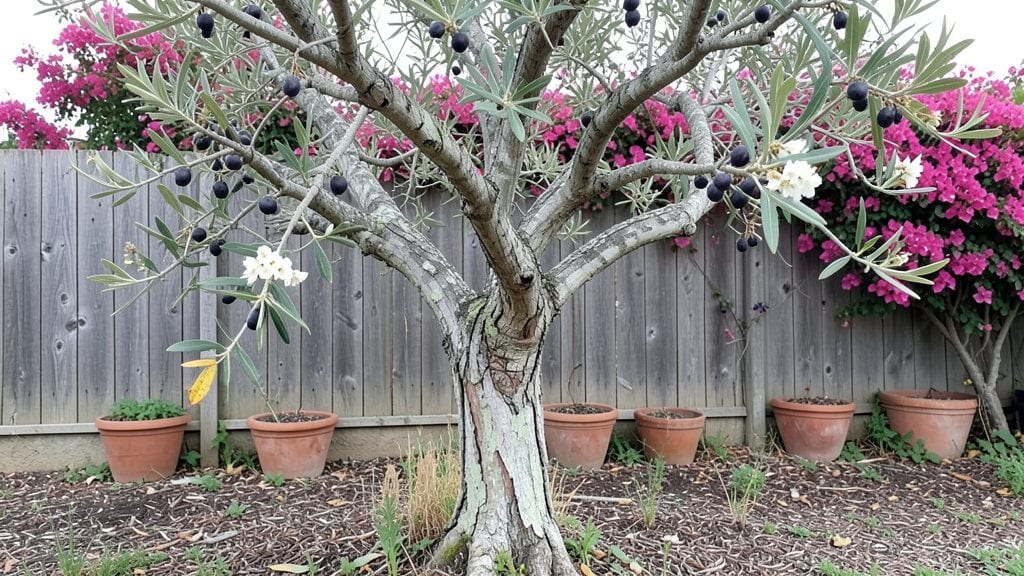
The Gardens of Marrakech feature vibrant bougainvillea, fragrant oleander, and pomegranate trees, paired with intricate Moroccan tilework, reflective water features, and scent-filled pathways for an immersive cultural experience.
The Gardens of Marrakech aren't just about plants—they're a masterclass in blending nature with Islamic artistry. 🌿 These spaces use four symbolic quadrants (water, plants, shade, and walking paths) to create balance, while drought-resistant species like aloe vera and jasmine thrive in the arid climate.
The secret lies in their layered design: fragrant herbs line walkways, while geometric tile mosaics frame every water feature, turning even a small courtyard into a sensory escape.
What makes them truly special is how they adapt traditional elements for modern gardens. A simple reflecting pool can mimic the grand fountains of the Majorelle Garden, while zellige tile borders (hand-cut ceramic patterns) bring Moroccan flair to any space.
Even the plant selection tells a story—pomegranates symbolize fertility, while bougainvillea's bold colors reflect the region's vibrant culture.
💡 In This Article
- Marrakech Garden Design Principles and Cultural Roots
- How to Recreate Marrakech Garden Aesthetics at Home
Marrakech garden design principles and cultural roots
The gardens of Marrakech trace their origins to the 11th century when Islamic scholars and architects introduced the concept of paradise gardens (riyads) as earthly reflections of heaven.
The design follows strict geometric symmetry, divided into four quadrants: water, plants, shade, and walking paths—each representing spiritual and physical balance. This layout isn't arbitrary; it's rooted in Quranic principles that emphasize harmony between humans and nature, where water symbolizes purity and life, while plants represent growth and sustenance.
Climate plays a pivotal role in plant selection, with species chosen for their resilience to Marrakech's 30-40°C (86-104°F) summer heat and minimal rainfall (250mm/year). Drought-tolerant plants like aloe vera (which stores water in its leaves) and pomegranate trees (deep roots accessing groundwater) dominate.
The scent is equally intentional—jasmine and oleander release fragrances during cooler evenings, creating a sensory experience that cools both body and mind in the arid climate.
Water features are the heart of these gardens, with fountains serving dual purposes: practical (cooling the air through evaporation) and symbolic (mimicking the Four Rivers of Paradise in Islamic tradition).
In traditional riads (private courtyard homes), even a small basin becomes a focal point, surrounded by zellige tiles (hand-cut ceramic mosaics) that reflect light and water, amplifying the space's tranquility.
The science behind this is simple—water's reflective properties create optical illusions of larger spaces, a trick still used in modern Moroccan architecture.
Geometric tilework isn't just decoration; it's a mathematical language from Islamic art, where patterns like the Arabesque and Girih tiles encode complex geometric rules. These designs often incorporate four-fold symmetry, reinforcing the garden's spiritual balance.
The tiles' glossy finish also serves a functional purpose: their smooth surface repels dust, keeping pathways clean in the windy desert climate. This duality—beauty and utility—is a hallmark of Marrakech's design philosophy.
Berber influences add another layer, with indigenous plants like argan trees (used for oil) and rosemary (medicinal properties) integrated alongside imported species. The Berbers' deep connection to the land is evident in their use of terracing to prevent erosion and stone walls to create microclimates.
Even the garden's layout often follows the natural contours of the land, blending human creation with the earth's organic forms—a practice still visible in modern Marrakech gardens.
What's fascinating is how these principles adapt to modern spaces. A small urban courtyard can replicate a Marrakech garden's essence with just a single potted bougainvillea, a small solar-powered fountain, and geometric tile accents.
The key is understanding that every element—from the 12-inch deep planting beds (to retain moisture) to the shade structures (often latticework for airflow)—serves both aesthetic and functional purposes. 💫