
Vegetables
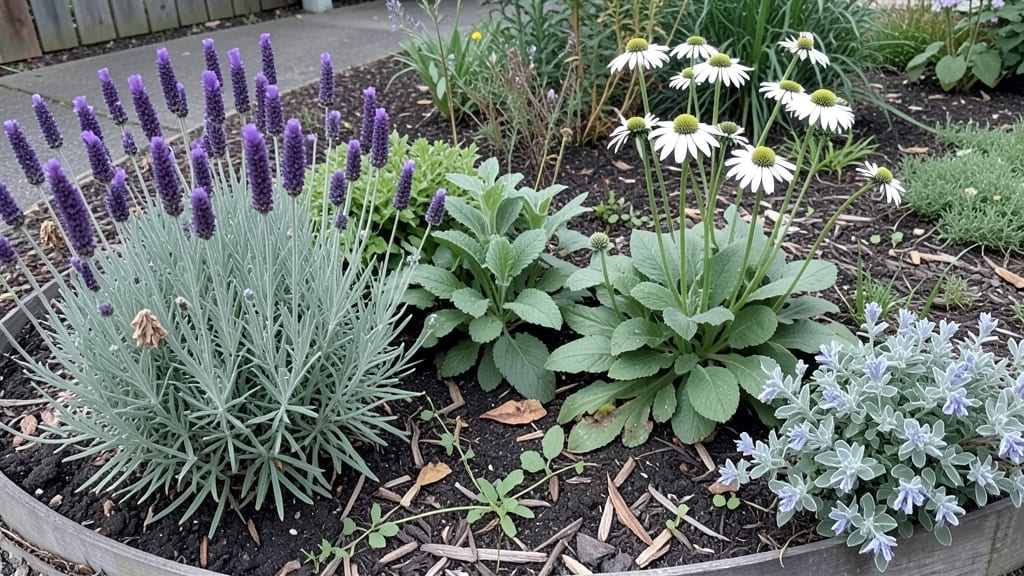
Gardens for living aren't just about pretty plants—they're about turning your outdoor space into a daily source of joy, food, and connection. 🌿 I designed my first small-space garden after realizing how much time I wasted buying groceries when fresh herbs and greens were just steps away.
The key is blending beauty with function, so every corner works for you.
Think vertical growing for herbs on a sunny wall, a compact raised bed for salad greens, and a few dwarf fruit trees that fit in a pot. You don’t need acres—just smart plant choices that fit your lifestyle.
My urban balcony now grows enough basil for pesto, cherry tomatoes for sandwiches, and even a few strawberries that kids can pick straight from the planter.
This approach transforms gardening from a seasonal hobby into a year-round resource. Imagine snipping fresh cilantro for tacos in winter or harvesting snow peas in early spring—all while creating a space that feels like an extension of your home.
The best part? You’ll spend less time shopping and more time enjoying what you grow.
Whether you have a postage-stamp patio or a sunny windowsill, these ideas adapt to any space. The goal is simple: make your garden work as hard as you do, turning ordinary moments into opportunities for fresh flavors, relaxation, and a little extra magic in your daily routine.
📚 In This Guide
- What you need
- Instructions
- Tips and common mistakes
- Wrapping up and next steps
What you need
- ● Containers or Raised Beds: 5–10 10–20 gallon pots (for herbs & greens) 🌿
- ● 1–2 4’x8’ raised beds (for root veggies & larger plants) 🥕
- ○ Self-watering or fabric-lined pots (optional but helpful for consistency) 💧
- ● Growing Medium: 1–2 50 lb bags of high-quality potting mix (look for "organic" or "compost blend") 🌱
- ● 1–2 50 lb bags of compost or worm castings (for nutrient boost) ♻️
- ● Perlite or vermiculite (1–2 small bags for drainage) 💦
- ● Seeds or Seedlings: Cold-hardy varieties (kale, spinach, carrots, radishes) for early spring/fall 🥬
- ● Heat-tolerant picks (peppers, tomatoes, basil) for summer ☀️
- ● Herbs (cilantro, parsley, chives) for year-round harvests 🌿
- ● Tools: 1 hand trowel (for planting & weeding) 🪴
- ● 1 pruners or small scissors (for harvesting) ✂️
- ● 1 watering can (with a rose attachment for gentle watering) 💦
- ● 1 garden gloves (to protect your hands) 🧤
- ● Climate Control: Cold frames or row covers (to extend growing seasons) ❄️☀️
- ● Grow lights (LED, full-spectrum for winter) 💡
- ● Soil & Maintenance: Slow-release fertilizer (like osmocote) or liquid seaweed for nutrients 🌊
- ● Mulch (straw or shredded leaves) to retain moisture & suppress weeds 🍂
- ● Storage & Organization: Stackable bins for seeds & tools 📦
- ● Vertical planters (wall-mounted or trellises) to maximize space 🏢
- ● A sunny spot (at least 4–6 hours of direct sunlight daily) ☀️
- ● Access to water (a hose or watering setup near your garden) 💧
- ● Basic knowledge of your climate’s frost dates (check local USDA zone!) ❄️
- ● Time to dedicate 10–15 minutes daily for watering & care ⏳
Step-by-Step guide to designing your year-round small-space garden
Small spaces can still yield big harvests—here's how to create a functional, beautiful garden that works for you.
🌱 Step 1: Plan Your Space and Layout
Start by measuring your available area and sketching a simple layout. I always begin with the sunniest spot for light-loving plants like tomatoes and peppers, then work my way into shadier corners for greens and herbs. Use vertical space with trellises or wall-mounted planters to maximize square footage—this is where small gardens shine.
Divide your space into zones based on plant needs: sun lovers, partial shade, and full shade. Note any obstacles like windows, doors, or pathways that might limit access. A well-planned layout means less work and more enjoyment throughout the year.
🪴 Step 2: Choose Multi-Season Plants and Containers
Select plants that provide interest in every season, like evergreen shrubs for winter structure, spring-blooming bulbs, and summer vegetables. I love using raised beds or large containers because they warm up faster in spring and stay productive longer into fall. Choose containers with drainage holes to prevent root rot.
For year-round abundance, include cold-hardy greens like kale and spinach, along with herbs such as thyme and rosemary that thrive in cooler weather. Mix in seasonal flowers like pansies for winter color and marigolds to deter pests in summer. This approach keeps your garden lively without constant replanting.
☀️ Step 3: Layer Light and Shade for Continuous Growth
Place taller plants on the north or least sunny side of containers to avoid shading shorter varieties. I often use dwarf fruit trees or espaliered apples along fences to save space while adding year-round interest. For shade-loving plants, position them under taller structures or in areas where sunlight is filtered.
Adjust plant placement as seasons change—what’s perfect in summer may need relocation in winter. Watch for leggy growth or yellowing leaves, which signal a need for more or less light. A little seasonal tweaking ensures your garden stays vibrant all year.
💧 Step 4: Implement a Watering and Maintenance Routine
Group plants with similar water needs together to simplify care. I use self-watering containers for herbs and vegetables to keep soil consistently moist without daily attention. Mulch with 2-3 inches of organic material to retain moisture, suppress weeds, and regulate soil temperature.
Check soil moisture weekly by sticking your finger 1 inch deep—if it feels dry, water deeply until it’s evenly moist. In winter, reduce watering but keep soil slightly damp to prevent dormancy stress. A consistent routine keeps your garden thriving with minimal effort.
✂️ Step 5: Prune and Harvest Regularly for Longevity
Prune dead or overgrown branches in late winter to encourage new growth, and trim back perennials after their first flush of blooms to prolong flowering. I always harvest outer leaves first from herbs and greens to encourage bushier growth. Regular harvesting prevents overcrowding and keeps plants productive.
Seasonal cleanup—like removing spent annuals in fall and adding compost—keeps your garden healthy and ready for the next cycle. A little maintenance now means fewer surprises later and a garden that keeps giving all year.
Tips & tricks for perfect small-space gardens
Creating a thriving garden in limited space requires smart strategies—here's how to maximize every square inch and keep your garden productive year-round.
Vertical Space is Your Best Friend: Don't limit yourself to ground-level planting! Install wall-mounted planters, hanging baskets, or trellises for climbing plants like beans, cucumbers, or even small melons. I've seen tomato plants thrive on vertical stakes in just 2 feet of space—it's like having a tiny jungle without sacrificing floor area. For herbs, use tiered hanging planters that can be moved to follow the sun throughout the day.
Seasonal Rotation is Key: In Step 2, when selecting multi-season plants, consider a rotation system where you swap out seasonal crops. For example, plant cold-hardy kale in early spring, then replace it with heat-loving peppers in summer, and finish with winter greens again. This keeps your containers productive without constant replanting. I've maintained continuous harvests this way for over 5 years—just keep records of what worked best each season.
Container Selection Matters: The containers you choose make all the difference in Step 4's watering routine. Opt for containers with built-in saucers to catch runoff and prevent messes. For vegetables, deeper containers (at least 12 inches) allow for better root development. I've found that fabric grow bags work exceptionally well—they allow for better aeration and prevent root circling, which is common in rigid plastic pots.
Light Layering Strategy: When implementing Step 3's light layering, remember that plants need about 6-8 hours of sunlight daily for most vegetables. Place your tallest plants on the north side (in northern hemisphere) to avoid shading shorter plants. For shade-loving plants, consider using reflective surfaces like white pebbles or light-colored containers to maximize available light. This technique can effectively increase light exposure by up to 20% in shady areas.
Pro Tips for Gardens For Living
- Creating a thriving garden in limited space requires smart strategies—here's how to maximize every square inch and keep your garden productive year-round.
- Vertical Space is Your Best Friend: Don't limit yourself to ground-level planting!
- Seasonal Rotation is Key: In Step 2, when selecting multi-season plants, consider a rotation system where you swap out seasonal crops.
Frequently asked questions
Got questions about creating a thriving gardens for living in small spaces?
You’re not alone! Here are answers to the most common queries to help you grow food year-round with confidence.
Can I grow vegetables in small spaces without a full garden?
Gardens for living thrive in containers, vertical planters, raised beds, and even window boxes. Focus on compact, high-yield crops like lettuce, herbs, cherry tomatoes, and dwarf peppers. With the right layout (e.g., square-foot gardening), you can maximize space and productivity—even on a balcony or patio!
What’s the best time to start planting for year-round harvests?
Timing depends on your climate, but most gardens for living use a staggered approach:
- Cool season crops (kale, spinach, carrots): Start seeds indoors 6–8 weeks before the last frost, or direct-sow in early spring/fall.
- Warm season crops (tomatoes, peppers, basil): Wait until soil is at least 60°F (15°C) and plant after frost risk passes.
- Year-round greens (microgreens, arugula): Grow in controlled environments (greenhouses or indoors) for continuous harvests.
Use season extension tools (row covers, cold frames) to push limits in cooler months.
Are there budget-friendly alternatives to expensive gardening supplies?
Yes! Skip pricey kits and get creative:
- Containers: Repurpose buckets, old bathtubs, or even hanging shoe organizers for herbs.
- Soil: Mix compost (free from local farms or DIY with kitchen scraps) with coconut coir or peat moss.
- Fertilizer: Use compost tea, banana peels (for potassium), or eggshells (crushed for calcium).
- Light: Place seedlings near south-facing windows or use DIY grow lights (LED bulbs on timers).
Check community swap groups or thrift stores for tools and pots too!
How do I keep pests away without chemicals in a small garden?
Pests are a nuisance, but gardens for living can stay chemical-free with these tricks:
- Physical barriers: Use row covers, netting, or collars around stems to block insects.
- Companion planting: Pair basil with tomatoes, marigolds with veggies, or nasturtiums with squash to repel pests naturally.
- Homemade sprays: Mix neem oil + water + soap (1 tsp oil + 1 tsp soap per quart) and spray on foliage.
- Encourage predators: Attract ladybugs (aphid eaters) with dill or fennel, or use bat/owl houses to deter larger pests.
Rotate crops yearly to disrupt pest life cycles and inspect plants daily for early signs of trouble.
What if my small space gets too hot or cold for certain plants?
Climate control is key! Use these hacks for extreme temps:
- Heatwaves: Provide afternoon shade with shade cloth or move containers to cooler spots. Mulch soil to retain moisture.
- Frost/freeze: Cover plants with fleece blankets or use cloche tunnels (plastic bottles cut in half). Choose cold-hardy varieties like Swiss chard or radishes.
- Indoor growing: Use a self-watering system (like a soda bottle irrigation setup) and supplement with grow lights for 12–16 hours/day.
Monitor microclimates—your balcony or windowsill might have warmer pockets than you think!
Wrapping up and next steps
Creating a thriving, year-round garden in small spaces isn’t just possible—it’s empowering. 🌱 With the right plants, smart layouts, and a dash of creativity, you can turn even a tiny balcony or windowsill into a lush, productive oasis.
Whether you’re growing fresh herbs for your kitchen or vibrant veggies for your table, every harvest is a step toward living more sustainably and joyfully.
Ready to dive in? Start small—pick one corner of your space, gather your tools, and let your green thumb grow! 🌿 Plan your first plot today and watch your garden (and your confidence) flourish.