
Tools
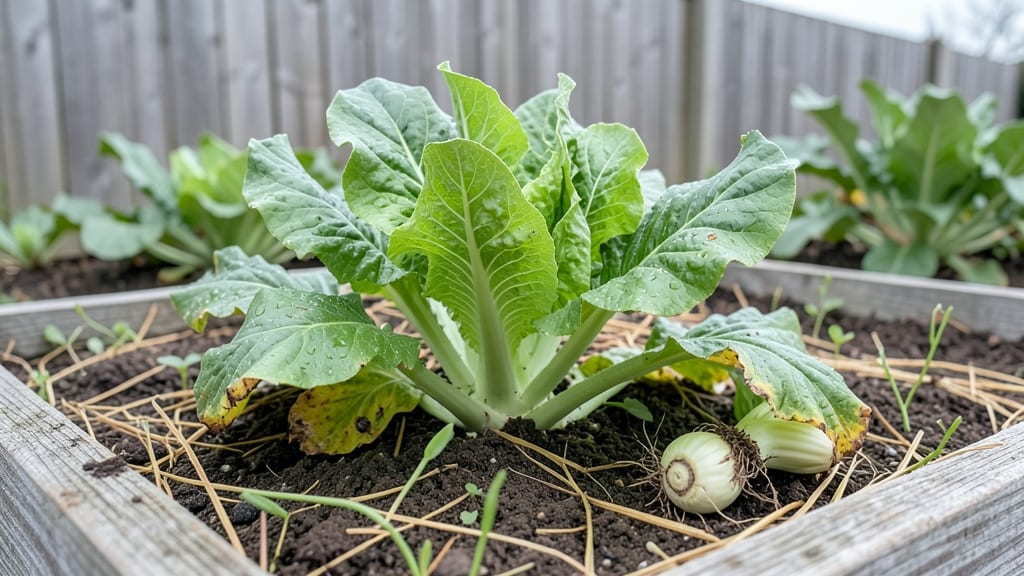
Gardening with preschoolers turns muddy hands into little green thumbs. 🌱 I learned the hard way that tiny fingers and delicate plants don't mix—until I discovered the right sensory-friendly picks that survive their enthusiasm.
The key is choosing plants that are fast-growing, colorful, and forgiving when they get squished or nibbled.
Start with sunflowers, beans, or marigolds—they grow fast enough to keep kids excited, and their bright blooms make every dig-and-plant session feel like a celebration. Add textures like fuzzy lamb's ear or crunchy snap peas for extra sensory fun.
These plants thrive in cups or small pots, so spills and accidents won't ruin your whole garden.
By the end of the season, you'll have a patchwork of tiny gardens where kids can harvest their own snacks or show off their "giant" sunflowers. The best part? They'll learn patience, science, and pride—all while getting dirty. Just keep a spray bottle handy for those inevitable "oops" moments.
Works in containers, raised beds, or even a sunny windowsill. Here's how to pick plants that grow with their curiosity—and outlast their energy crashes.
📚 In This Guide
- What you need
- Instructions
- Tips and common mistakes
- Wrapping up and next steps
What you need
- ● Child-safe gardening gloves (2–4 pairs, nitrile-free or cotton, sized for small hands)
- ● Plastic or wooden gardening tools (1–2 each): Trowel (small, 6–8 inches)
- ● Rake (miniature, with rounded edges)
- ● Hand shovel (lightweight, 10–12 inches)
- ● Sensory-friendly soil (1–2 bags, organic potting mix or sand-free compost)
- ● Seed-starting trays (2–4, with drainage holes, 12–24 cell packs)
- ● Biodegradable seed pots (10–20, made from peat or coconut coir)
- ● Watering can (1, with a long spout or spray nozzle for easy control)
- ● Sun hat & sunscreen (1 each, SPF 30+, kid-safe formula)
- ● Fast-growing seeds (5–10 packets): Sunflower (‘Teddy Bear’ or ‘Moulin Rouge’ varieties)
- ● Bean (‘Blue Lake’ or ‘Scarlet Runner’)
- ● Marigold (‘French’ or ‘Signet’)
- ● Radish (‘Cherry Belle’—ready in 3 weeks!)
- ● Pre-planted seedlings (2–4, herbs like basil or mint for tactile fun)
- ● Decorative rocks or pebbles (for marking rows or adding texture)
- ● Stickers or labels (with child-safe markers for naming plants)
- ● Magnifying glass (1, for exploring bugs and leaves)
- ● Kid-sized wheelbarrow (for hauling soil or treasures)
- ● Music player (for garden-time tunes—think upbeat, nature-friendly songs!)
Step-by-step instructions for gardening with preschoolers
Here’s how to turn messy little hands into curious green thumbs—without the cleanup battle.
🌱 Step 1: Pick Plants That Spark Joy (and Survive Mistakes)
Start with fast-growing, sensory-rich plants like sunflowers, marigolds, or bush beans. These grow quickly enough to show results in weeks, not months. I always grab easy-to-handle seeds—big ones like sunflower seeds or even tiny peas wrapped in cotton balls for little fingers to squeeze into soil. Avoid anything delicate like ferns or finicky herbs; preschoolers need plants that bounce back from "accidents."
Let them touch the seeds first—rub them between fingers, smell them, and guess what they’ll grow. This builds excitement before they even dig in. I keep a tray of pre-moistened soil ready so they can scoop and pat without waiting for you to water first. The goal? Instant gratification—they’ll remember the joy of planting when they see sprouts pop up.
💧 Step 2: Set Up a "Watering Station" (Not a Flood Zone)
Fill a shallow kiddie watering can (the kind with a long spout) with lukewarm water—cold water shocks tiny roots. Let them practice pouring just enough to dampen the soil, not drown it. I draw a dampness line on the pot with a marker so they can see when to stop: "When the soil looks like a sponge that’s just wet, not soggy, we’re done!"
Add a drop of dish soap to the water (a teaspoon per gallon) to reduce surface tension—this helps water soak in faster and prevents puddles. If they overshoot, no stress. Just say, "Let’s let it dry a little and try again tomorrow." Preschoolers learn through repetition, and watering is the perfect skill to practice.
☀️ Step 3: Create a "Sunshine Check" Routine
Place pots in a spot with 4-6 hours of morning sun—afternoon sun can scorch tender leaves. I use color-coded stickers (green for sun, blue for shade) to mark each pot’s needs. Let them move the pots together, but remind them: "Sunflowers love sunshine, but marigolds like a little shade at noon." This teaches basic plant care without overwhelming them.
Check the soil daily with them—press a finger in and say, "Is it dry like a cracker or damp like a sponge?" If it’s dry, it’s watering time. If it’s still moist, they’ll learn patience. I set a visual timer (a sand timer or phone alarm) so they know when to check again. The routine keeps them engaged and builds responsibility.
🌿 Step 4: Celebrate Growth with Sensory Play
When sprouts appear, let them trace the stems with their fingers to feel how they grow. I bring out a magnifying glass so they can watch bugs (like ladybugs or ants) up close—this turns gardening into a science adventure. If a leaf wilts, don’t scold. Instead, say, "Let’s give it a drink and see if it perks up!" This teaches cause-and-effect without frustration.
Harvest together when plants are ready—snapping peas, picking sunflower petals, or plucking marigold blooms. Let them crush petals to smell the scent or count seeds in a pod. The more they interact, the more they’ll want to garden. I keep a small bucket nearby for "treasures" (leaves, flowers, bugs) to explore later. Messy? Yes. Worth it? Absolutely.
⏰ Step 5: End with a "Garden Cleanup Song"
Turn tidying up into a game. Play a 30-second song (like "Clean Up" from Sesame Street) and race to put tools away, wipe hands, and reset the space. I assign each child a "job"—one washes the watering can, another pats soil back into pots. This teaches teamwork and makes cleanup feel like part of the fun, not a chore.
End with a high-five or sticker for their effort. Praise the process, not just the outcome: "You watered so carefully!" or "Look how your sunflower grew—you’re a plant helper!" This builds confidence and makes them eager to garden again. The key? Keep it short, sensory-rich, and full of wins.
Tips & tricks for gardening with preschoolers
Here's what I learned after turning my own backyard into a preschooler-friendly garden—no green thumbs required!
Plant Selection Wisdom: Sunflowers and marigolds are my go-to picks because they grow fast enough to show results within weeks. The key is choosing plants that forgive mistakes—like sunflowers that bounce back from forgotten waterings or bush beans that grow quickly even with less-than-perfect care. I always avoid delicate plants like ferns that wilt at the slightest oversight.
Watering Station Hack: That dampness line I mentioned? It's a game-changer. Use a permanent marker to draw a line on the pot showing where soil should be when damp. This visual cue helps preschoolers understand "just enough" watering without turning the soil into mud. I also recommend using lukewarm water—it's gentler on tiny roots than cold water straight from the tap.
Sunshine Check Strategy: The 4-6 hours of morning sun rule is crucial because afternoon sun can scorch tender leaves. I create color-coded stickers (green for sun, blue for shade) to make it visual for little ones. This teaches them basic plant needs while keeping the activity simple. Pro tip: Place a small sign near each pot with the plant's name and care needs—it makes them feel like real gardeners!
Sensory Play Extension: That magnifying glass isn't just for show—it turns gardening into a science lesson. I keep a small bucket nearby for "treasures" (leaves, flowers, bugs) to explore. This extends the activity beyond planting and makes cleanup easier since everything goes in one container. Plus, it gives them something to show off to their friends!
Pro Tips for Gardening With Preschoolers
- Here's what I learned after turning my own backyard into a preschooler-friendly garden—no green thumbs required!
- Plant Selection Wisdom: Sunflowers and marigolds are my go-to picks because they grow fast enough to show results within weeks.
- Watering Station Hack: That dampness line I mentioned?
Frequently asked questions
about gardening with preschoolers—because every little gardener deserves a little extra guidance!What are the best plants for tiny hands to handle safely?
Opt for non-toxic, easy-to-hold plants like sunflowers (tall stems for gripping), marigolds (bright petals for sensory play), or leafy herbs like basil (soft and aromatic). Avoid anything with thorns (e.g., roses) or toxic sap (e.g., poinsettias). Stick to edible, low-maintenance picks—kids love snacking on their harvests!
When is the best time to start gardening with preschoolers?
Spring and early fall are ideal—mild weather keeps little ones comfortable, and shorter days reduce sun exposure. Start indoors in late winter with fast-sprouting seeds (like radishes or beans) if your climate has harsh winters. Morning sessions are best to avoid afternoon heat and meltdowns!
What tools are safe for preschoolers to use?
Skip sharp tools! Use plastic trowels, child-sized rakes, and watering cans with spouts (no heavy metal). For digging, try sand toys or foam "digging sticks" in a sensory bin. Supervise closely—even "safe" tools can become projectiles. Pro tip: Let them decorate tools with stickers for extra engagement!
How do we handle rain or bad weather?
Rainy days? Turn gardening indoor! Plant fast-growing sprouts (like mung beans) in damp paper towels to watch roots grow. Use clear jars or windowsill "garden kits" for a mess-free activity. If stuck outside, waterproof boots and ponchos save the day—muddy hands are part of the fun!
My preschooler loses interest quickly—how do we keep it fun?
Short, thematic sessions work best: "Let’s find worms!" or "Paint the flowers with water!" Add treasures like glittery rocks or buried "dinosaur eggs" (plastic balls) to dig up. Rotate tasks—one day watering, next day harvesting—and celebrate tiny wins with stickers or a high-five. Follow their lead!
What do we do if bugs or pests appear?
Turn pests into a science lesson! Ladybugs eat aphars—let kids gently release them. For squash bugs, spray water (kids love the "bug spray" role) or use neem oil (adults apply). Avoid chemicals. Pro tip: Make a "bug hotel" from a pinecone and twigs to attract helpful insects!
Wrapping up and next steps
Gardening with preschoolers is more than just a fun outdoor activity—it’s a sensory adventure that builds curiosity, fine motor skills, and a lifelong love for nature! 🌱 With the right sensory-friendly plants, simple tools, and a little patience, even the tiniest gardeners can thrive.
Whether you’re planting sunflowers for bold textures or mint for fragrant exploration, the key is to keep it playful, hands-on, and full of discoveries.
Ready to get started? Pick one plant from this list and turn your backyard (or balcony!) into a mini garden today. Watch those little hands dig in—and their smiles grow even bigger! 🌟