
Tools
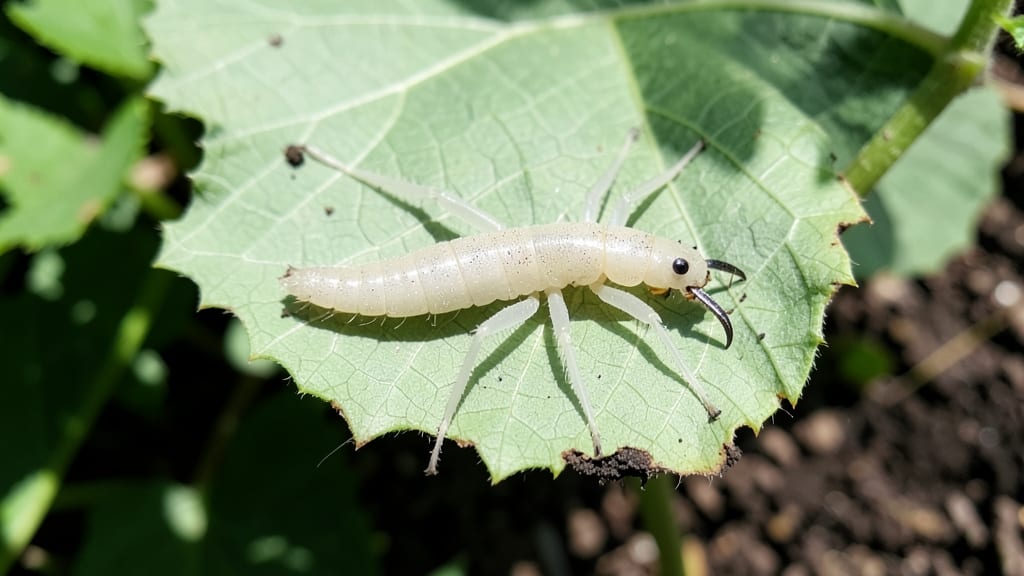
A gardening bug net is my secret weapon against cabbage moths and squash bugs—those relentless pests that turn lush plants into skeleton leaves overnight.
I’ve lost entire harvests to them before, but since I started using a lightweight mesh shield, my tomatoes and greens stay untouched until they’re ready to pick. The best part?
It’s not some flimsy thing that flutters away in the breeze—these nets are sturdy enough to stay put while still letting sunlight and rain through.
You’ll want one with fine mesh (0.6mm or smaller) to block tiny flies and beetles, but don’t sacrifice breathability—thick plastic sheets trap heat and invite mold. I swear by the 10x15-foot roll for my raised beds; it’s big enough to drape over entire plants without weighing them down.
For smaller containers, a 5x7-foot net works perfectly, and you can even fold it into a portable shield for moving plants around the garden.
The payoff is immediate: no more frantic spraying, no more lost crops, and no more guessing whether your plants are just struggling or being picked apart.
Just drape the net over your seedlings in the morning, secure the corners with clothespins or stakes, and forget about pests until harvest time.
My zucchini plants now produce three times as many fruits as they used to, and the net lasts for years with just a little soap-and-water cleaning.
Works for vegetables, flowers, and even fruit trees—just adjust the size to fit your space. Whether you’re protecting a single tomato plant or an entire row of broccoli, this tool is the easiest way to keep your garden thriving without chemicals. Let’s get those plants shielded!
The Hidden Triggers Behind Bug Attacks
Bugs don’t just randomly invade your garden—they’re drawn in by specific conditions that turn your plants into all-you-can-eat buffets. Understanding these triggers helps you use a gardening bug net more effectively by addressing the root causes. Here’s why pests show up uninvited and how to outsmart them.
When plants are packed too closely together, airflow and sunlight get blocked. This damp, shaded environment becomes a perfect breeding ground for pests like aphids, whiteflies, and fungus gnats. Overcrowding also stresses plants, releasing volatile organic compounds (VOCs) that attract insects looking for weak targets.
- Science behind it: Poor airflow increases humidity, which softens plant tissue—making it easier for bugs to pierce stems or lay eggs.
- Actionable fix: Space plants according to their mature size (check seed packets for guidelines). Thin seedlings early to reduce competition.
- Pro tip: 💡 Use pruning shears to snip crowded branches—this also encourages stronger growth at the base.
Overwatering or poor drainage creates soggy soil, which is a magnet for moisture-loving pests like slugs, cutworms, and root maggots.
Even well-draining soil can become a problem if water pools after rain or irrigation. Fungal diseases (e.g., powdery mildew) also thrive in wet conditions, and the insects that feed on infected plants follow.
- Science behind it: Excess moisture triggers ethylene gas production in plants, signaling distress and attracting insects that prey on stressed vegetation.
- Actionable fix:
- Test your soil’s drainage by digging a hole, filling it with water, and timing how long it takes to drain. Ideal time: <45 minutes.
- Add organic matter (compost or perlite) to heavy clay soil to improve aeration.
- Water deeply but infrequently—aim for 1 inch per week (adjust for climate).
- Pro tip: 🌡️ Install soil moisture sensors to avoid guesswork—overwatering is the #1 cause of pest outbreaks!
Plants under stress—whether from drought, nutrient deficiencies, or disease—release chemical cues that pests can detect from feet away. For example:
| Stress Type | Pests Attracted | Why It Happens |
|---|---|---|
| Nitrogen deficiency (yellowing leaves) | Aphids, spider mites | Low protein levels make plants easier to digest for sap-sucking bugs. |
| Water stress (wilting, crispy edges) | Flea beetles, cutworms | Drought triggers sucrose accumulation, making leaves sweeter to insects. |
| Fungal/bacterial infection | Whiteflies, thrips, earwigs | Infected tissue emits volatile organic compounds (VOCs) like methyl salicylate, a "danger" signal to pests. |
Actionable fix: Conduct a soil test (kits cost ~$20) to check pH and nutrient levels. Amend soil with compost or slow-release fertilizer to keep plants robust. Rotate crops annually to disrupt pest life cycles.
Pro tip: ✨ Neem oil (applied as a foliar spray) masks plant stress signals and repels pests—win-win!
Mulch is a gardener’s best friend—until it becomes a pest’s playground. Organic mulches (like straw or wood chips) break down into microhabitats that shelter slugs, snails, and even rodents. Thick layers also trap moisture, creating the perfect conditions for fungal pests like shothole borers.
- Science behind it: Decomposing mulch raises soil temperature and humidity, accelerating the life cycle of pests that thrive in warm, moist environments.
- Actionable fix:
- Use inorganic mulches (gravel, rubber chips) for pathways to deter crawling pests.
- Keep organic mulch 2–3 inches thick—thinner layers reduce pest hideouts.
- Refresh mulch annually to prevent compaction and fungal buildup.
- Pro tip: 🔥 Sprinkle diatomaceous earth (DE) around mulch edges—it’s a natural, non-toxic barrier for slugs and ants.
Your garden isn’t just a food source—it’s a light buffet for nocturnal pests. Insects like moths, beetles, and even mosquitoes are attracted to artificial lights because they mimic the moon’s reflection, confusing their navigation systems. Once inside your garden’s "glow zone," they’re more likely to stay and snack.
- Science behind it: Insects use polarized light to navigate. Artificial lights disrupt their compas orientation, causing them to spiral and land near plants.
- Actionable fix:
- Switch to yellow or red LED bulbs (2700K–3000K color temperature)—these emit less UV light, which is less attractive to bugs.
- Use shielded fixtures that direct light downward (e.g., bug zappers with downward-facing cones).
- Install motion-activated lights to illuminate only when needed.
- Pro tip: 🎯 Plant bug-repelling herbs (basil, mint, marigolds) near light sources—their scents override the lure.
Fixing Common Bug Net Problems
A lightweight mesh barrier like a gardening bug net is your first line of defense against pests, but even the best tools can run into snags. Whether it’s tangled fabric, weak frames, or pests slipping through, here’s how to troubleshoot—and keep your harvest safe.
Cause: Snagging on branches, rough handling, or UV damage weakens the mesh over time. Fix:
- Quick Repair: Use clear packing tape or sewing thread to stitch small tears. For larger holes, cut a patch from an old net and sew it in place.
- Long-Term Fix: Replace frayed edges with zip ties or heavy-duty staples to reinforce stress points (like handles or frame connections).
- Prevention Tip: 💡 Store your net in a shady, dry spot when not in use, and fold it flat to avoid creases that weaken fibers.
Cause: Cheap materials, overloading with weight, or wind stress cause frames to warp. Fix:
- Temporary Fix: Prop up weak spots with stakes or rocks to distribute weight evenly.
- Permanent Fix: Swap flimsy frames for aluminum or PVC pipes (wider diameter = less bending). Secure joints with hose clamps or zip ties for extra strength.
- Prevention Tip: 🌡️ Avoid overstretching the net—if it sags, pests can sneak in! Use adjustable hoops for even coverage.
Cause: Gaps at seams, too-large mesh holes, or improper coverage let bugs in. Fix:
- Mesh Too Big? Upgrade to 16x16 mesh (or finer) to block tiny pests like aphids or whiteflies.
- Seal Gaps: Wrap frame joints with duct tape or weatherstripping to block entry points.
- Coverage Check: 🎯 Overlap net edges by 6+ inches when securing to plants or stakes. Use clips or weights (like rocks) to keep it taut.
- Prevention Tip: ✨ Shake the net before use—dust or debris can clog mesh, reducing effectiveness.
Cause: Sap, pollen, or dew buildup makes nets cumbersome and attracts pests. Fix:
- Cleaning: Rinse with soapy water and a soft brush, then air-dry completely to prevent mold.
- Storage Hack: Hang nets upside down in a ventilated bag to keep them dry and pest-free.
- Prevention Tip: 🔥 Wipe down frames with vinegar solution (1:1 water ratio) to remove sticky residues.
Cause: Squirrels, rabbits, or rodents gnaw at nets for nesting material. Fix:
- Deterrent Trick: Sprinkle peppermint oil or hot pepper flakes along the frame’s base—they hate the smell!
- Physical Barrier: Bury the bottom edge 2–3 inches deep or weigh it down with bricks.
- Prevention Tip: 🌿 Plant thorny bushes (like roses) near high-risk areas to discourage chewers.
Pro Tip: Always test your net before the growing season by shaking it over a white sheet—if light passes through, it’s time for a replacement! With these fixes, your bug net will stay your garden’s unsung hero. 🚜🌱
Frequently asked questions
What mesh size should I choose for a gardening bug net?
For most vegetables and flowers, a 16x16 mesh (0.6mm or smaller) works best—it blocks tiny pests like aphids and whiteflies while still allowing sunlight and airflow. If you're protecting against larger insects (like beetles), a 12x12 mesh may suffice, but finer mesh prevents even smaller larvae from sneaking through.
How do I secure a bug net without damaging my plants?
Use soft clips or clothespins to attach the net to stakes or plant supports—never tighten them too much to avoid crushing stems. For delicate seedlings, drape the net loosely and weigh down the edges with small rocks or bricks instead. Always leave room for growth!
Can I use a bug net for indoor gardening?
Bug nets work great for indoor herb gardens, seedling trays, or houseplants near open windows. Just drape the net over your plants or use a mini hoop system to create a protective dome. This is especially helpful for fending off fungus gnats or fruit flies.
Will a bug net work for squash bugs or tomato hornworms?
Yes, but you’ll need a sturdy, larger-mesh net (12x12 or coarser) since these pests are bigger. Secure the net tightly around the plant base to prevent them from crawling underneath. For hornworms, check the net daily—they can grow quickly and may need manual removal if they slip through.
How long does a gardening bug net last?
A high-quality net should last 3-5 years if stored properly in a dry, shaded place. UV rays and rough handling are the biggest enemies—fold it flat and avoid leaving it exposed to sunlight. If the mesh starts tearing or loses elasticity, it’s time to replace it to maintain effectiveness.