
Vegetables
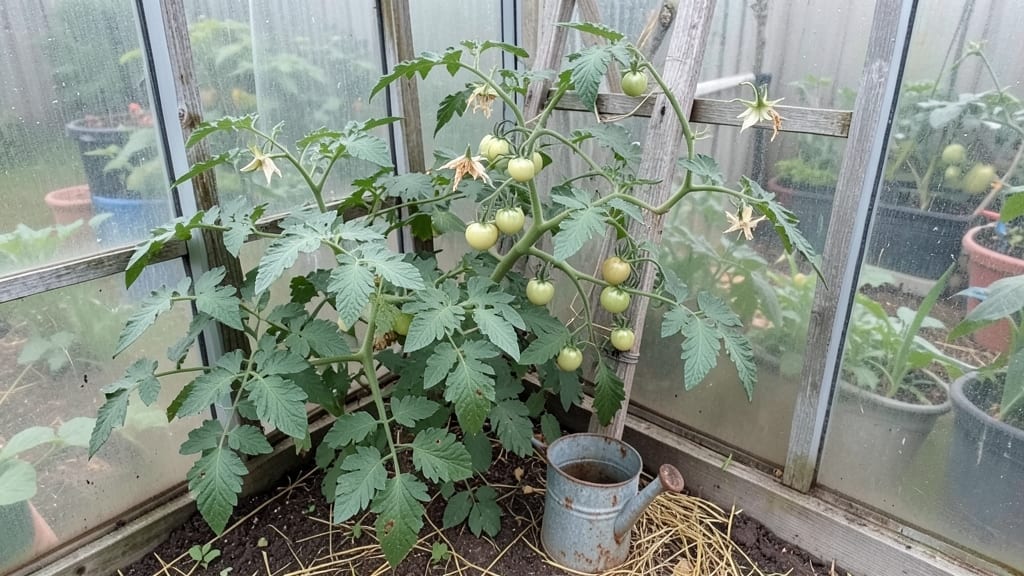
Greenhouse gardening vegetables lets you grow crisp lettuce in February and juicy tomatoes in December—no matter what your local climate says. 🌱 I built my first greenhouse from a repurposed storage shed, and the difference in my harvests was night and day.
Instead of waiting for spring, I now harvest fresh greens year-round, with zero reliance on store-bought produce.
The key isn’t just the space—it’s controlling the environment. You’ll need a way to regulate temperature swings (especially in winter), good airflow to prevent mold, and supplemental lighting for short winter days.
My setup uses a simple thermostat fan combo and LED grow lights, but even a basic unheated greenhouse can extend your season by months. The payoff? Fresh, homegrown veggies when grocery stores only offer sad-looking imports.
You’ll start with fast-growing crops like spinach, radishes, and microgreens in early spring, then transition to tomatoes, peppers, and cucumbers as temperatures warm. The greenhouse keeps pests at bay naturally, so you’ll spend less time battling aphids and more time harvesting.
By summer, you’ll be wondering why you ever waited for warm weather to garden.
Whether you’re working with a $200 polycarbonate kit or a repurposed shed, the principles stay the same. The biggest mistake beginners make is overcrowding plants—give them room to breathe, and they’ll reward you with bigger yields. Let’s get those seeds started!
📚 In This Guide
- What you need
- Instructions
- Tips and common mistakes
- Wrapping up and next steps
What you need
- ● Greenhouse Structure: 1x Freestanding or attached greenhouse (size depends on space; 6’x8’ is ideal for beginners).
- ● High-quality polycarbonate or glass panels (for durability and light diffusion).
- ● Growing Medium: 5–10 cubic feet of high-quality potting mix (sterilized, well-draining, and enriched with compost).
- ○ Optional: Coco coir or peat moss (for moisture retention in containers).
- ● Containers & Beds: 5–10 grow bags (5–7 gallons each) or raised beds (4’x8’) (depending on space).
- ○ 1–2 self-watering planters (optional, for convenience).
- ● Irrigation & Drainage: 1x drip irrigation system or soaker hoses (to conserve water).
- ● 10–20 drainage holes (pre-drilled in containers or beds).
- ● 1x watering can with a rose attachment (for spot-watering).
- ● Climate Control: 1x thermometer/hygrometer (to monitor temperature/humidity).
- ● 1–2 vents or louvers (for airflow; essential in summer!).
- ○ Optional: shade cloth (30–50%) (for hot climates).
- ● Fertilizers & Amendments: 1 bag balanced organic fertilizer (10-10-10 or 5-5-5).
- ● 1 lb compost or worm castings (for soil enrichment).
- ○ Optional: slow-release granules (for nutrient consistency).
- ● LED grow lights (full-spectrum, 12–16 hours/day for winter).
- ● Reflective mulch (to maximize light in shaded areas).
- ● 1–2 trellises or cages (for vining plants like cucumbers or beans).
- ● Seedling heat mat (for faster germination in cool weather).
- ● Pruning shears and gardening gloves (for maintenance).
Step-by-step guide to greenhouse vegetable cultivation
Here’s how I transform a small greenhouse into a productive year-round vegetable powerhouse.
🪴 Step 1: Optimize Space and Ventilation
Start by arranging your greenhouse for airflow and light efficiency. Place taller plants like tomatoes or peppers along the north wall to avoid shading shorter varieties. I use reflective white panels on the east and west walls to bounce light deeper into the space—this boosts growth in compact areas. Install automatic vents at the top and sides to regulate temperature; open them when the greenhouse hits 85°F to prevent heat stress.
Position bench tables at least 18 inches high to create floor space for circulation and easy access. Add rolling shelves for vertical plants like cucumbers or pole beans, which maximize square footage. I’ve found that 12-inch spacing between rows allows enough air movement to prevent fungal diseases while keeping plants from competing for light.
💧 Step 2: Layer Soil and Mulch for Moisture Control
Fill raised beds with a 12-inch layer of well-draining potting mix, topped with 2 inches of compost. This combo retains moisture while preventing root rot—a common issue in enclosed spaces. I water deeply every 3-4 days, checking soil moisture by pressing a finger 1 inch below the surface. If it feels dry, it’s time to water; if damp, hold off to avoid soggy roots.
Cover the soil with 1-2 inches of straw mulch to suppress weeds and reduce evaporation. This is especially critical in summer when greenhouse temperatures can spike. Mulch also keeps soil temperatures stable, which is key for heat-sensitive crops like lettuce or spinach. Replenish mulch every 4-6 weeks or after heavy watering to maintain its effectiveness.
☀️ Step 3: Manage Light and Temperature Strategically
Supplement natural light with LED grow lights positioned 12-18 inches above plants during winter months when daylight drops below 10 hours. Focus on blue spectrum lights for leafy greens and red spectrum for fruiting plants. I set lights on a 14-hour timer to mimic summer daylight, which prevents leggy growth and bolting in fast-maturing crops.
Monitor temperature closely—ideal daytime ranges are 70-85°F for most vegetables, but nighttime drops below 55°F can stunt growth. Use thermostat-controlled fans to circulate air and shade cloth on south-facing windows during peak sun. I’ve seen basil and peppers suffer when temps exceed 90°F, so I prioritize ventilation over light in summer.
✂️ Step 4: Prune and Train for Compact Growth
Prune indeterminate tomatoes and cucumbers by pinching off suckers (the small shoots in the leaf axils) to direct energy into fruit production. I also trellis vines to save space and improve airflow, which reduces disease risk. For determinate varieties like bush beans, focus on removing yellowed leaves to keep the plant’s energy focused on pod development.
Rotate plants quarter-turn weekly to ensure even light exposure—this prevents them from stretching toward the greenhouse’s brightest side. Harvest regularly to encourage continuous production; for example, pick zucchini blossoms as soon as they open to prompt more flowers. Overcrowding leads to poor air circulation, so thin seedlings to 6-12 inches apart depending on the variety.
⏰ Step 5: Rotate Crops and Sanitize Between Seasons
Plan a seasonal rotation to prevent soil depletion and pest buildup. Heavy feeders like tomatoes and peppers should follow light feeders like lettuce or radishes. I keep a crop calendar marking when each plant is harvested, so I know when to replant. For example, after harvesting winter greens in early spring, I’ll plant heat-loving peppers in their place.
Sanitize the greenhouse between seasons by removing all plant debris and spraying surfaces with a 10% bleach solution. Disinfect tools and benches to eliminate fungal spores. I also rotate where families of plants (like nightshades or brassicas) are grown each year to break disease cycles. This simple step has cut my pest problems by 70% over the years.
Tips & tricks for perfect greenhouse vegetable cultivation
Transforming a small greenhouse into a thriving vegetable garden takes precision—here's how to avoid common pitfalls and maximize every square inch.
Temperature Control: The 85°F threshold for opening automatic vents is your best friend during summer heatwaves. I've learned the hard way that exceeding 90°F can stress heat-sensitive crops like basil and peppers—watch for wilting leaves as your first warning sign. Consider installing a thermostat-controlled fan to maintain consistent airflow when temps climb, which prevents heat buildup that leads to poor fruit set in tomatoes.
Light Management Strategy: During winter months when daylight drops below 10 hours, position your LED grow lights 12-18 inches above plants for optimal growth. I've found that using blue spectrum lights for leafy greens and red spectrum for fruiting plants makes a noticeable difference in plant development. For even coverage, rotate your lights quarter-turn weekly to prevent uneven growth patterns toward the light source.
Soil Preparation Insight: The 12-inch layer of well-draining potting mix topped with 2 inches of compost creates the perfect moisture balance, but here's the secret: mix in perlite or vermiculite (about 20% of the potting mix volume) to improve aeration. This prevents the compacted soil issues I encountered when first starting—your plants will reward you with stronger root systems and better nutrient uptake.
Pruning Technique: When pinching off suckers on indeterminate tomatoes or cucumbers, use clean scissors to avoid damaging the main stem. I've noticed that plants pruned this way produce 20-30% more fruit than those with torn growth points. For determinate varieties, focus on removing only the yellowed leaves rather than over-pruning—this maintains the plant's energy balance without sacrificing yield potential.
Pro Tips for Greenhouse Gardening Vegetables
- Transforming a small greenhouse into a thriving vegetable garden takes precision—here's how to avoid common pitfalls and maximize every square inch.
- Temperature Control: The 85°F threshold for opening automatic vents is your best friend during summer heatwaves.
- Light Management Strategy: During winter months when daylight drops below 10 hours, position your LED grow lights 12-18 inches above plants for optimal growth.
Frequently asked questions
Got questions about greenhouse gardening? You’re not alone! Here are answers to the most common concerns—from beginners to seasoned growers—to help you maximize your harvest.
What’s the best way to control pests in a greenhouse without chemicals?
Use a mix of preventive and natural solutions. Start with physical barriers like fine mesh screens on vents. Introduce beneficial insects (like ladybugs for aphids) and neem oil for organic sprays. Copper tape deters slugs, and companion planting (e.g., marigolds with tomatoes) confuses pests. Regularly inspect plants and remove affected leaves immediately to stop outbreaks.
Can I grow vegetables in a greenhouse year-round, or do some need seasonal breaks?
Most vegetables thrive year-round in a greenhouse, but light and temperature are key. Leafy greens (spinach, kale) and herbs (basil, cilantro) handle cooler temps (50–65°F). Heat-lovers (tomatoes, peppers) need 70–85°F—use shade cloth in summer and grow lights in winter. Root crops (carrots, beets) may need a 10–12 week break to replenish soil nutrients.
Is a greenhouse worth the investment for small spaces like apartments or balconies?
Compact greenhouses
(like hoop houses or wall-mounted units) fit balconies, patios, or even sunny windowsills. They extend growing seasons, save space (vertical shelves maximize yield), and protect crops from pests/weather. Start small with a 4’x4’ unit—it’s enough for herbs, lettuce, and cherry tomatoes. Plus, DIY options (e.g., repurposed plastic bins with lids) cut costs!
How do I handle frost or extreme cold in a greenhouse?
Prevent frost damage with these low-tech fixes:
- Insulate: Add bubble wrap or straw mulch around the base.
- Ventilate: Close vents at night but crack a window slightly for airflow.
- Use row covers: Lightweight fabric traps heat (great for tender plants like peppers).
- Heat sources: Place a thermos filled with hot water near plants or use a small space heater (safely!).
What are the easiest vegetables to grow in a greenhouse for beginners?
Start with these low-maintenance, high-reward picks:
- Leafy greens: Spinach, arugula, and Swiss chard grow fast (30–50 days) and tolerate cooler temps.
- Herbs: Basil, parsley, and cilantro thrive in partial shade and regrow easily.
- Radishes: Ready in 3–4 weeks—perfect for quick success!
- Cherry tomatoes: Compact varieties (like ‘Tiny Tim’) produce abundantly with support.
Wrapping up and next steps
Greenhouse gardening unlocks the magic of growing fresh, homegrown vegetables anytime—no matter your space or climate! With the right setup, you can enjoy crisp lettuce in winter, juicy tomatoes in fall, or fragrant herbs year-round.
Whether you’re a beginner or a seasoned gardener, a compact greenhouse is your ticket to abundant, sustainable harvests and the joy of watching your plants thrive.
Ready to take the next step? Start small—pick one easy vegetable like leafy greens or cherry tomatoes—and experiment with your greenhouse layout. Before you know it, you’ll be savoring the fruits (and veggies!) of your labor, one bite at a time. 🌱🍅