
Tools
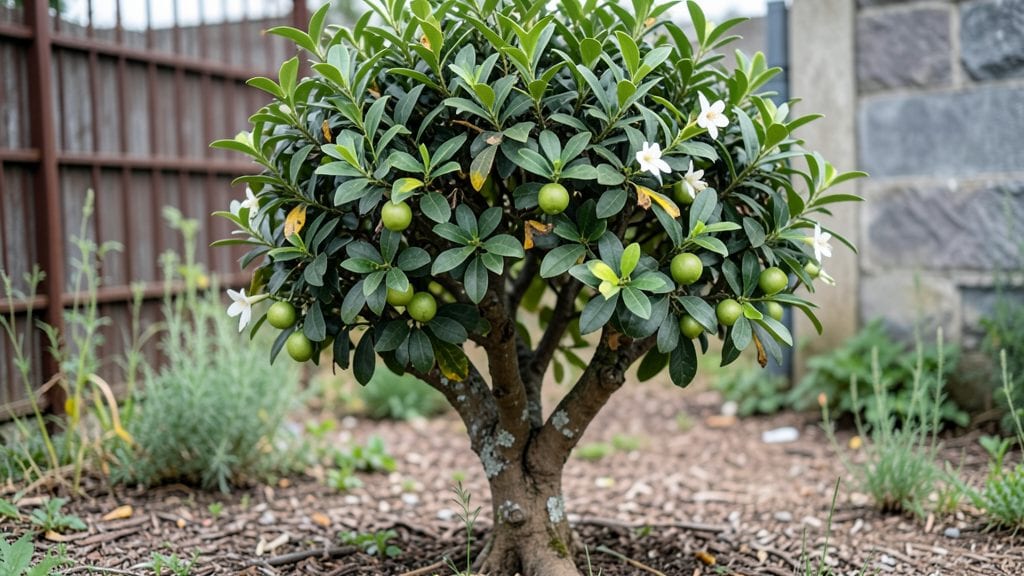
Garden Zone 10b defines regions where winter temperatures stay between 30°F and 35°F (-1°C to 1.7°C), creating ideal conditions for frost-sensitive plants like citrus trees, bougainvillea, and hibiscus to flourish year-round. This zone spans coastal California, southern Arizona, and parts of Florida, but gardeners must still strategically select plants to handle occasional cold snaps.
Understanding Zone 10b isn't just about the temperature range—it's about how those 30°F to 35°F averages shape your gardening strategy.
Coastal areas benefit from ocean breezes that moderate temperatures, while inland spots may face sudden cold fronts. 🌿 For example, a citrus tree might survive a 30°F night in coastal San Diego but struggle in Tucson without protection.
The key is knowing your microclimate's quirks and preparing for the occasional 25°F dip that can sneak in.
What sets Zone 10b apart from warmer Zone 11 is that one-degree difference can mean survival or loss for tropical plants. That's why gardeners here often use mulch blankets in winter or wrap young trees in frost cloth.
The right preparation turns this zone's mild winters into a gardener's paradise for heat-loving plants that would perish elsewhere.
💡 In This Article
- How Temperature Ranges Define Zone 10b Plant Survival
- Best Plants for Zone 10b Gardens and How to Extend Their Lifespan
How temperature ranges define Zone 10b plant survival
The USDA Plant Hardiness Zone Map uses 30-year averages of annual minimum temperatures to classify regions, and Zone 10b's 30°F to 35°F (-1°C to 1.7°C) range creates a delicate balance for tropical plants.
Here's what's actually happening: Most plants experience cellular damage when temperatures drop below 28°F (-2°C), as ice crystals form in plant tissues, rupturing cell walls.
Zone 10b's upper limit (35°F) prevents prolonged cold stress, while the lower bound ensures occasional frost events don't wipe out sensitive species. 🌡️
The 5°F difference between Zone 10a (25°F to 30°F) and 10b might seem small, but it translates to critical survival for plants like citrus (which dies at 25°F) versus more resilient options like olive trees (tolerating 20°F).
Coastal areas benefit from ocean currents that moderate temperatures - San Diego's average winter low is 45°F but rarely dips below 30°F due to Pacific breezes, creating a microclimate where tropical plants thrive without protection. Inland areas like Phoenix experience more temperature swings, requiring additional safeguards.
Microclimates within Zone 10b can vary dramatically. Urban heat islands in cities like Los Angeles can maintain 5°F warmer nighttime temperatures than surrounding rural areas, while valleys often collect cold air and experience 10°F colder minimum temperatures.
This is why gardeners in Zone 10b must consider their specific location's coldest recorded temperatures - even if averages stay above 30°F, a single 25°F night can devastate unprotected tropical plants. 🌆
Zone 11a's 40°F minimum creates a stark contrast where plants like coconut palms thrive with no winter protection. The transition between 10b and 11a shows how that 5°F difference becomes critical - what survives in 10b with occasional protection may require constant care in 11a's milder climate.
The real challenge comes from cold snaps: While averages define the zone, sudden temperature drops below 30°F can occur anywhere in the region, making preparedness essential.
What most gardeners don't realize is how soil temperature matters just as much as air temperature. Citrus roots need to stay above 40°F to avoid damage, which means even if the air stays above 30°F, cold soil can kill plants.
This is why mulching with 4-6 inches of organic material becomes crucial - it creates an insulating layer that maintains root zone temperatures during cold snaps. The science here involves thermal conductivity: Organic mulch has low conductivity, slowing heat loss from the soil.
For example, in coastal Orange County, gardeners might grow avocado trees outdoors year-round, while just 30 miles inland in Riverside, the same trees require winter protection.
This illustrates how elevation changes of just 500 feet can shift you from Zone 10b to 9b (20°F to 25°F), dramatically altering what you can grow. The lesson? Always check your specific microclimate rather than relying solely on general zone maps. 📏
The key takeaway is that Zone 10b's temperature range represents a precarious equilibrium where tropical plants can survive with proper care, but the margin for error is small.
Understanding your local cold snap history and implementing targeted protection strategies transforms this zone's challenges into opportunities for growing plants that would perish elsewhere. The difference between success and failure often comes down to preparation for those rare cold events rather than the average conditions.