
Tools
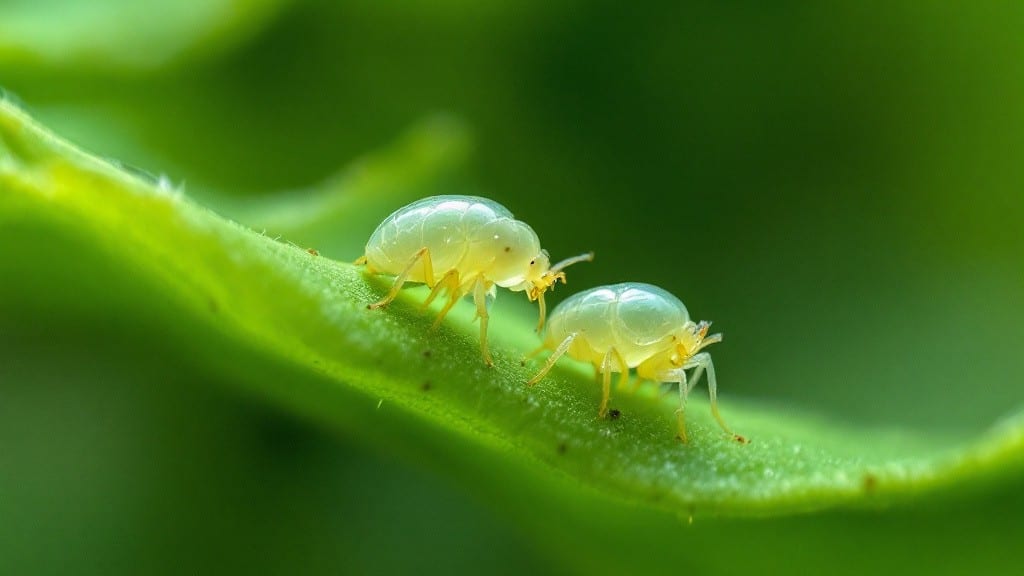
Natural barriers that outsmart the garden pests and bugs without chemicals are the secret weapon I wish I’d known years ago. 🌱 The moment I stopped reaching for sprays and started using simple, plant-based defenses, my tomatoes stopped looking like Swiss cheese overnight.
Most pests hate strong scents, sticky textures, and unexpected neighbors—like marigolds next to your veggies or crushed garlic around the base of plants. These tricks work because they disrupt bugs’ ability to find food, not by poisoning them.
Even slugs, my arch-nemesis, now leave my lettuce alone after I added copper tape to my raised beds.
You’ll see fewer chewed leaves, more pollinators buzzing around, and plants that grow stronger instead of stressed. The best part? These methods keep working season after season, with no gloves, masks, or waiting periods. Ready to turn your garden into a pest-free fortress?
Works for veggie patches, flower beds, and even container gardens—no matter how many beetles or aphids show up. Here’s how to set up your first line of defense without a single chemical in sight.
The Hidden Triggers Behind Bugs
Unwanted garden critters aren’t just random visitors—they’re drawn to your yard by specific conditions that turn it into an all-you-can-eat buffet. Understanding these triggers is the first step to outsmarting them naturally. Here’s why your garden becomes a magnet for pests and bugs.
When plants grow too close together, they create the perfect hiding spot for bugs. Thick foliage traps moisture, and poor airflow slows down plant recovery.
This weakens defenses, making them easier targets for pests like aphids, spider mites, and whiteflies. Why it matters: Overcrowding also stresses plants, releasing volatile organic compounds (VOCs) that attract herbivorous insects.
Pests thrive in gardens with inconsistent watering. Overwatering creates soggy soil, inviting fungus gnats, slugs, and snails. Underwatering stresses plants, making them more vulnerable to attacks from beetles and borers.
- Root rot from excess water disrupts beneficial microbes, weakening soil health.
- Drought stress triggers plants to produce more sugars in leaves—an instant snack for chewing insects.
- Stagnant water (like in saucers or low spots) becomes a breeding ground for mosquitoes and fungus gnats.
Soil that’s either too rich or too poor in nutrients sends mixed signals to plants—and pests take advantage. Excess nitrogen (from over-fertilizing) leads to soft, tender growth that aphids and caterpillars adore. Deficient soil, on the other hand, makes plants weak, attracting predators like earwigs and pill bugs.
| Nutrient Issue | Pests Attracted | Signs to Watch For |
|---|---|---|
| High nitrogen | Aphids, slugs, cutworms | Fast, leafy (but weak) growth; chewed edges |
| Low potassium | Japanese beetles, borers | Yellowing leaf edges; wilting despite water |
| Compacted soil | Grubs, wireworms | Poor root growth; plants top-heavy |
Bugs need shelter, and your garden might be offering it without you realizing. Leaf litter, mulch piles, and dense ground cover provide cozy homes for beetles, earwigs, and even rodents. Even "clean" gardens can have hidden culprits:
- Woodpiles or bark mulch: Beetles and termites love decaying organic matter.
- Rocks and bricks: Slugs and snails hide underneath during the day.
- Unpruned shrubs: Provide nesting spots for spider mites and whiteflies.
Pro tip: 🌡️ Keep mulch 2–3 inches deep and 6 inches away from plant stems to reduce hiding spots while retaining moisture.
Pests follow the weather. Warm, humid conditions speed up their life cycles, leading to explosive populations. Mild winters allow overwintering bugs (like aphids and scale) to survive and multiply faster in spring. Even sudden temperature swings can stress plants, making them more susceptible to attack.
- Spring rains + warm soil = Fungus gnat and slug outbreaks.
- Dry, hot summers = Spider mites and whiteflies thrive on thirsty plants.
- Frost damage = Weakened plants attract beetles and borers.
Some plants release chemicals that attract pests to their neighbors. For example:
- Corn emits a scent that lures corn earworms.
- Cabbage family plants (broccoli, kale) attract cabbage moths.
- Fruit trees stressed by nearby grasses may fall prey to borers.
Solution: Use companion planting—pairing pest-repelling plants (like marigolds or basil) with vulnerable ones to disrupt the cycle.
Natural Fixes for Common Garden Invaders
Now that you know why pests and bugs are crashing your garden party 🎉, let’s tackle them with effective, chemical-free solutions tailored to the problem. Below, we’ve mapped out practical fixes for the most common culprits—plus prevention tips to keep your garden thriving long-term.
Cause: Tiny, clustered aphids drain plant juices, leaving sticky honeydew and stunted growth. Fix:
- Blast them away 💦: Spray aphids directly with a strong stream of water (early morning works best).
- Introduce predator allies 🐞: Ladybugs, lacewings, and parasitic wasps (like Aphidius colemani) are natural aphid hunters. Buy them online or attract them with dill, fennel, or marigolds.
- Neem oil spray 🌿: Mix 1 tsp neem oil + 1 tsp mild soap + 1 quart water, spray undersides of leaves where aphids hide.
Prevention:
- Healthy plants repel pests 🌱: Ensure your plants get balanced sunlight, water, and nutrients—stressed plants attract aphids.
- Companion planting 🌼: Interplant garlic, chives, or rosemary—their strong scents deter aphids.
Cause: These slimy invaders munch on leaves, stems, and even seedlings overnight. Fix:
- Beer traps 🍺: Bury a shallow dish filled with beer (the yeast attracts them). Check daily and dispose of trapped pests.
- Copper barriers ⚡: Slugs hate copper! Bend a copper tape or wire around pots or garden beds—it gives them a mild electric shock when they cross.
- Diatomaceous earth (DE) 🪨: Sprinkle food-grade DE around plants (reapply after rain). It dehydrates slugs but is safe for plants.
Prevention:
- Remove hiding spots 🌑: Clear debris, boards, and dense mulch where slugs lurk.
- Plant slug-resistant crops 🌿: Try marigolds, thyme, or geraniums—slugs avoid their strong fragrances.
Cause: These shiny green beetles devour leaves, leaving behind a lace-like skeleton. Fix:
- Handpick at dawn 🌅: Beetles are sluggish in the morning—drop them into soapy water.
- Neem oil or kaolin clay 🌿: Spray leaves with neem oil (deters feeding) or kaolin clay (creates a barrier they dislike).
- Milky spore powder 💊: A natural bacteria (Bacillus popilliae) that kills beetle grubs in the soil (takes 2–3 years to fully work).
Prevention:
- Plant traps 🌸: Surround your garden with roses, grapes, or marigolds—beetles flock to these first.
- Avoid broadleaf plants 🌿: If possible, skip linden trees, raspberries, and roses (their favorite snacks).
Cause: Tiny white moths cluster on undersides of leaves, sucking sap and spreading diseases. Fix:
- Yellow sticky traps 🎯: Hang yellow cards coated in glue near plants—they get trapped instantly.
- Soapy water spray 🧼: Mix 1 tsp dish soap + 1 quart water, spray directly on undersides of leaves.
- Beneficial nematodes 🪰: Tiny Steinernema feltiae nematodes hunt whitefly larvae in the soil (apply at dusk).
Prevention:
- Isolate infested plants 🚫: Keep them away from healthy crops to prevent spread.
- Encourage wasps 🐝: Parasitic wasps (Encarsia formosa) lay eggs in whitefly pupae—buy them online or attract with dill and fennel.
Cause: Green caterpillars munch holes in cabbage, broccoli, and kale. Fix:
- Handpick & drown 🕷️: Check undersides of leaves daily—drop worms into soapy water.
- Bt spray (Bacillus thuringiensis) 💊: A natural bacteria that kills caterpillars but harms no other insects (safe for bees!).
- Row covers 🛡️: Use floating fabric covers over young plants to block moths from laying eggs.
Prevention:
- Rotate crops 🔄: Avoid planting cruciferous veggies (like cabbage family) in the same spot yearly.
- Plant radishes as a trap 🥕: Cabbage moths prefer radishes—sacrifice a few to protect your main crops.
Cause: They don’t eat plants but farm aphids (protecting them in exchange for honeydew). Fix:
- Borrowing powder (diatomaceous earth) 🪨: Sprinkle DE along ant trails—it disrupts their exoskeletons.
- Cinnamon or chalk barriers 🌿: Draw a line of cinnamon or crushed chalk around plants—ants avoid crossing.
- Remove aphid sources 🚫: If ants are protecting aphids, treat the aphids first (see above).
Prevention:
- Keep food sealed 🍞: Store compost, pet food, and fallen fruit in airtight containers.
- Plant mint or cloves 🌿: Their strong scents repel ants naturally.
✅ Rotate your methods 🔄: Pests adapt—switch between sprays, traps, and predators to stay ahead. ✅ Water in the morning 🌞: Wet leaves evaporate faster, reducing slug and fungal issues. ✅ Encourage biodiversity 🐝🐞: A healthy ecosystem with birds, bees, and beneficial bugs keeps pests in check. ✅ Inspect regularly 👀: Catch problems early—a few aphids are easier to handle than an infestation!
Final Thought: 🌱 The key to chemical-free pest control is consistency and prevention. With these natural fixes, your garden will stay lush, productive, and pest-free—without a single toxic spray in sight!
Frequently asked questions
What are the most common garden pests I should watch for?
Aphids, slugs, Japanese beetles, whiteflies, and cabbage worms are the top culprits. Aphids cluster on new growth, slugs leave slimy trails at night, and beetles skeletonize leaves. Start by checking undersides of leaves and soil moisture levels—these are their favorite hiding spots.
Can I use coffee grounds to repel garden bugs?
Yes! Sprinkle used coffee grounds around plants to deter slugs, ants, and even some beetles. The caffeine and strong aroma disrupt their scent trails. Just mix them into mulch or create a barrier—avoid piling them directly against plant stems to prevent mold.
How do I know if my plants are stressed enough to attract pests?
Look for yellowing leaves, stunted growth, or wilting despite watering. Stressed plants release sugars that attract chewing insects. Check soil moisture (neither soggy nor bone-dry) and ensure plants get 6+ hours of sunlight. Healthy plants naturally resist pests better.
Are there any plants that naturally repel multiple types of pests?
Marigolds deter aphids, Japanese beetles, and even nematodes. Basil repels mosquitoes and flies, while garlic and chives keep slugs and beetles away. Plant these near vulnerable crops—like tomatoes or peppers—to create a protective barrier.
What’s the safest way to remove pests by hand?
Use a damp paper towel or soapy water to trap pests like aphids or caterpillars. Work early in the morning when bugs are sluggish. For beetles, wear gloves and drop them into a bucket of soapy water—never crush them (it releases pheromones that attract more pests).