
Pests
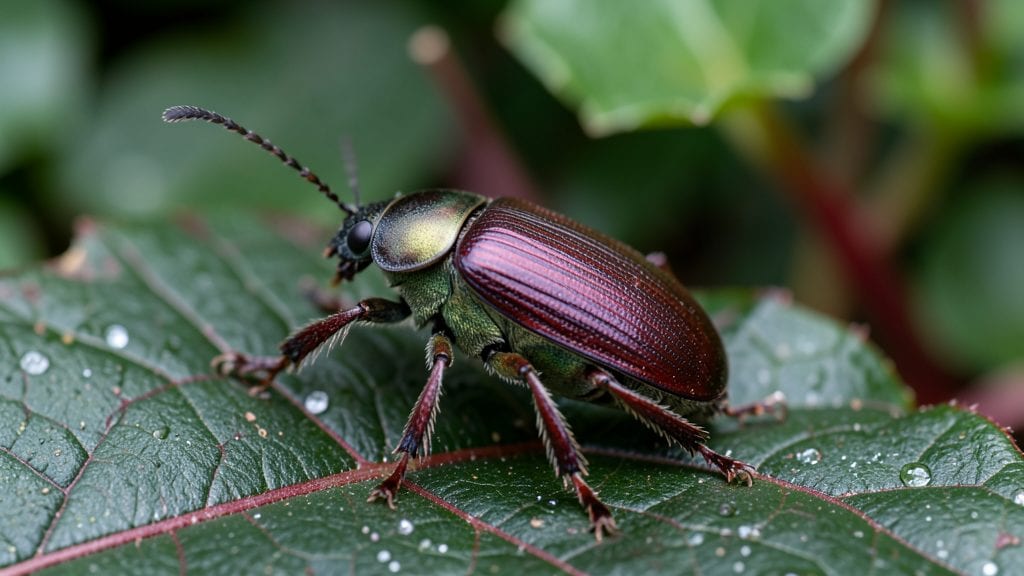
Japanese beetles and other leaf-munching beetles can strip your garden in days—but I’ve found the best defense isn’t sprays, it’s the right plants. 🌿 These beetle-repelling varieties confuse pests with their scents, starve them of their favorite hosts, and even attract their natural predators.
The secret lies in strategic plant pairings that work harder than any chemical.
My go-to lineup includes catnip (which Japanese beetles adore but can’t resist), garlic chives (that mask other plants’ smells), and tansy (a beetle magnet you can sacrifice).
These aren’t just pretty—they’re your garden’s first line of defense, requiring zero maintenance beyond planting. Even my black thumb’s garden stays beetle-free once these are in place.
You’ll notice fewer skeletonized leaves within weeks, and the plants you do want—like roses or beans—thrive without damage. The best part? These solutions work for Colorado potato beetles, June bugs, and even flea beetles, too. No more reaching for harsh sprays when nature already has the answer.
Works in containers, raised beds, or full sun borders—just tuck them near your prized plants. Ready to outsmart beetles the natural way? Let’s get planting.
Root Causes Of Beetle Infestations
Beetles don’t just randomly invade your garden—they’re drawn by specific conditions that make your outdoor space an all-you-can-eat buffet. Understanding these triggers is the first step to outsmarting them. Here’s why your garden might be a beetle magnet:
Beetles, especially Japanese beetles and colorado potato beetles, are attracted to plants that are stressed, damaged, or rotting. When leaves, fruits, or vegetables begin to decompose, they release volatile organic compounds (VOCs) that signal "easy prey" to beetles. These pests also target:
- Fallen fruit (think overripe tomatoes, berries, or apples)
- Wilted or yellowing foliage (a sign of plant stress)
- Mulch piles that trap moisture and create a breeding ground
Why it matters: A single rotting tomato can lure dozens of beetles, turning a minor issue into a full-blown infestation. Actionable fix: Remove decaying plant material immediately and compost it far from your garden beds.
Some beetles are specialized feeders, meaning they’ve evolved to target specific plants. For example:
- Mexican bean beetles love legumes (beans, peas, clover)
- Asian lady beetles (yes, even the "harmless" ones) swarm in masses when they find aphids on roses or fruit trees
- Flea beetles zero in on young seedlings, especially in the brassica family (kale, cabbage, broccoli)
Why it happens: These beetles rely on chemical cues—like glucosinolates in brassicas or alkaloids in legumes—to locate their favorite meals. Actionable fix: Interplant repellent species (like marigolds or catnip) between vulnerable crops or rotate plant families yearly to disrupt their feeding patterns.
Beetles thrive in environments that mimic their natural habitats—often damp, shaded, or humid areas. Here’s how moisture plays a role:
- Japanese beetles lay eggs in soil that stays moist for weeks (like overwatered lawns or garden beds).
- Fungus gnats (a beetle larvae type) breed in soggy potting mix, attacking seedlings.
- Dark, mulch-heavy areas trap heat and humidity, creating ideal conditions for beetle larvae to pupate.
Why it matters: Beetles don’t just avoid dry soil—they actively seek it out. Actionable fix:
Beetles are part of a delicate food web. When their predators—like birds, parasitic wasps, or ground beetles—are missing, their populations explode. Common reasons for predator shortages: Why it happens: Without checks and balances, beetle larvae can go unchecked, leading to adult swarms. Actionable fix: Introduce predator-friendly plants (like dill for parasitic wasps or sunflowers for birds) and avoid broad-spectrum pesticides. Pro tip: 🔥 Beetles follow the "finders-keepers" rule. The faster you address decay, moisture, or host plants, the harder it is for them to establish a foothold. Next up: How to disrupt their cycle naturally.
Beat Back Beetles Naturally
Once you’ve identified the beetles wreaking havoc in your garden, it’s time to take action—without resorting to harsh chemicals. Below are targeted solutions for the most common garden beetle invaders, paired with practical prevention tips to keep them at bay for good.
Think of these as your go-to strategies for a beetle-free oasis! 🌱🛡️
Japanese beetles are the rowdy neighbors of the garden world—chewing through roses, grapes, and veggies with reckless abandon. Here’s how to evict them:
🔥 Set Up a DIY Trap (But Use It Strategically!)
- How it works: Fill a bucket with soapy water and add a handful of overripe fruit (like grapes or apples). The beetles are drawn in but drown instead.
- Pro tip: Place traps far from your garden—they’ll attract more beetles than they trap if left too close! 🎯
- When to do it: Early summer, when beetles are most active.
🍳 Plant Beetle-Repelling Companions
- Marigolds, catnip, and geraniums release scents that confuse their senses.
- Tall grasses like switchgrass provide a landing spot away from your prized plants.
- Bonus: Interplant these near roses or veggies for double protection.
⏰ Prune and Remove Egg-Laying Sites
- Japanese beetles lay eggs in turf grass. Mow high (3–4 inches) to expose eggs to predators like birds.
- Aerate soil in late summer to disrupt their life cycle.
These striped menaces target potatoes, tomatoes, and eggplants. They’re fast breeders, so act quickly!
👨🍳 Manual Removal (Best for Small Infestations)
- When: Early morning or evening (beetles are sluggish).
- How: Pick adults and larvae off plants and drown them in soapy water. Check undersides of leaves!
- Pro tip: Wear gloves—some gardeners report skin irritation from their secretions. 🧤
🌡️ Use Row Covers for Prevention
- How: Cover young plants with floating row covers before beetles appear (late spring).
- Why it works: Blocks adults from laying eggs while allowing pollination for veggies like tomatoes.
🎯 Introduce Beneficial Insects
- Lady beetles (ladybugs) and parasitic wasps devour Colorado potato beetle eggs.
- Plant dill, fennel, or yarrow to attract these natural allies.
These C-shaped larvae munch on grass roots, causing brown patches. They’re sneaky—you might not see them until damage appears!
🔪 Encourage Natural Predators
- Birds, toads, and moles love feasting on grubs. Leave some bare soil or mulch piles for them.
- Nematodes (beneficial kind!) can be applied to soil to target grubs. Follow package instructions carefully. 🌡️
💡 Adjust Watering and Mowing
- Overwatering makes soil soft, inviting grubs. Water deeply but less frequently.
- Aerate lawns in early fall to expose grubs to predators and dry conditions.
🌱 Plant Resistant Grass Types
- Tall fescue or perennial ryegrass are less appealing to chafer grubs than Kentucky bluegrass.
No matter the beetle, these habits will make your garden less inviting:
- 🌿 Keep your garden healthy: Strong plants resist pests better. Fertilize moderately and prune for airflow.
- 🌙 Shake plants at dusk: Gently shake plants to dislodge beetles before they settle in.
- 🧹 Clean up debris: Remove fallen leaves, fruit, and plant waste where beetles hide.
- 🌱 Rotate crops: Prevents beetles from finding favorite spots year after year.
With these targeted tactics, you’ll send beetles packing without breaking a sweat—or the bank. The key is consistency: combine traps, companion planting, and manual checks for the best results. Happy gardening! 🌱💪
Frequently asked questions about garden beetle pests
How do I tell if my garden has beetle larvae vs. adult beetles?
Adult beetles are easy to spot—they have hard shells and visible antennae. Look for Japanese beetles (green with copper wings) or Colorado potato beetles (yellow with black stripes). Larvae hide underground or on plant stems and look like C-shaped grubs (white with brown heads) or tiny jumping flea beetles. Check soil around plants or undersides of leaves for signs.
Are there any beetles that actually help my garden?
Ground beetles (shiny black) and lady beetles (ladybugs) devour harmful pests like aphids and caterpillars. Even dung beetles improve soil health. Avoid pesticides that harm these beneficial insects—plant dill, fennel, or yarrow to attract them instead.
What’s the fastest way to stop a beetle infestation?
For immediate results, combine manual removal (pick beetles off plants early morning) with soapy water traps (mix 1 gallon water + 1 tbsp dish soap + overripe fruit). Add row covers over vulnerable plants to block adults. Repeat daily for 3-5 days to break their cycle.
Can I use neem oil on beetles, or is it a waste of time?
Neem oil works best on soft-bodied pests like aphids, not hard-shelled beetles. For beetles, focus on companion planting (catnip, marigolds) or physical barriers (row covers). If you try neem, apply it at dusk when beetles are less active, but don’t expect full coverage.
Why do beetles seem to target my garden more than my neighbor’s?
Beetles favor gardens with stressed plants, rotting organic matter, or moist soil. Check for overwatering, fallen fruit, or thick mulch piles. They also follow chemical cues—if your neighbor uses pesticides, their garden may lack the scent signals that attract beetles. Rotate crops and improve drainage to make your garden less appealing.