
Diseases
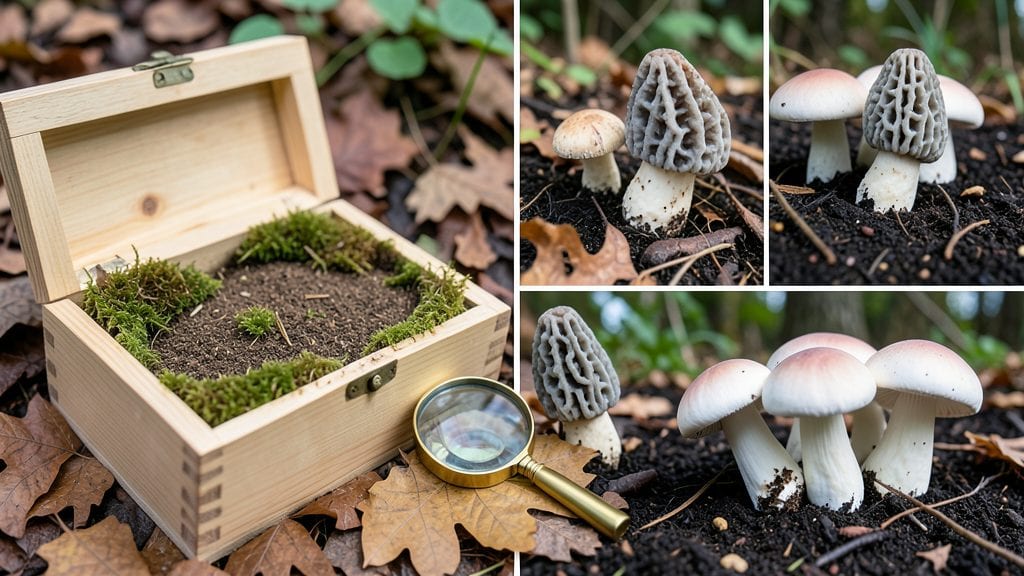
Recognizing these garden fungus types early means saving your plants before they look like they've been hit by a white powder bomb. 🌱 I’ve spent years watching fungal outbreaks turn lush gardens into sad, spotted messes—and the key to stopping them is knowing what you’re dealing with before it spreads.
The most common culprits—powdery mildew, rust, and mushroom clusters—each leave telltale signs. Powdery mildew coats leaves in white fuzz, rust creates orange pustules, and mushrooms pop up overnight after rain.
Most gardeners panic when they see these, but the good news? You can often stop them with simple fixes like pruning infected leaves or adjusting watering habits.
Once you recognize the patterns, you’ll catch problems before they ruin your harvest. Think of it like a game of spot-the-invader: early action keeps your garden thriving, not struggling. The worst cases—like toxic or invasive species—do need a pro’s help, but 90% of what you’ll face has a DIY solution.
This guide breaks down the most troublesome fungi, what they target, and how to kick them out for good. No confusing terms, just practical steps to keep your plants healthy—and your weekends stress-free.
Root Causes of Fungal Growth
Fungal infections in gardens aren’t random—they’re the result of specific conditions that create the perfect environment for spores to thrive. Understanding these triggers is half the battle in prevention and control.
Below, we break down the key factors that turn your lush garden into a fungal buffet, along with the science behind why they happen.
Fungi love water—literally. Most garden fungi require high humidity (70%+) and prolonged moisture to germinate and spread. Here’s why excess water is their best friend:
- Oxygen Deprivation: Soil that stays soggy for days cuts off oxygen, weakening plant roots. Fungi like Phytophthora (which causes root rot) thrive in anaerobic (low-oxygen) conditions, outcompeting beneficial microbes. - Spores Need Water to Activate: Fungal spores often lie dormant until moisture triggers germination.
A single heavy rain or overwatering can wake up thousands of spores in the soil. - Foliar Fungus Feasts: Fungi like powdery mildew (Erysiphe) and downy mildew (Peronospora) rely on film-like water droplets on leaves to spread.
Even morning dew can be enough if humidity stays high all day.
Actionable Fix:
- Test your soil’s drainage: Dig a hole, fill it with water, and time how long it takes to drain. If it’s slower than 6 hours, amend with sand, perlite, or compost to improve aeration.
- Water wisely: Aim for deep, infrequent watering (1–2 inches per week) rather than light daily sprinkles. Use drip irrigation or soaker hoses to avoid wetting foliage.
- Mulch strategically: Use 2–4 inches of organic mulch (straw, wood chips) to regulate moisture—but keep it 2 inches away from plant stems to prevent rot.
Healthy plants have natural defenses, but stress makes them vulnerable to fungal attacks. Here’s how crowding and stress open the door:
- Reduced Airflow: Tightly packed plants create microclimates with stagnant, humid air—ideal for fungi like Botrytis (gray mold). Poor airflow also delays drying, keeping spores active longer. - Competition for Nutrients: Overcrowded roots weaken plants, making them more susceptible to root-infecting fungi (e.g., Armillaria or honey fungus).
Weakened leaves are easier targets for foliar pathogens. - Physical Damage: Stressed plants (from drought, pests, or poor soil) produce wounds that fungi exploit. For example, Rhizoctonia (which causes damping-off in seedlings) attacks young, tender stems more easily.
Actionable Fix:
- Space plants properly: Follow label guidelines for mature plant size. For example, tomatoes need 18–24 inches apart, while herbs like basil thrive with 12 inches of space.
- Thin seedlings early: If you’re growing from seed, thin seedlings to avoid competition and improve airflow at the base.
- Monitor stress signs: Yellowing leaves, stunted growth, or wilting? Adjust water, fertilize lightly (if needed), or prune damaged foliage to reduce entry points for fungi.
Fungi aren’t fans of extreme heat or cold—they prefer moderate, muggy conditions. Here’s the temperature-humidity combo that fuels their growth:
| Fungus Type | Ideal Temp Range | Humidity Threshold | Common Victims |
|---|---|---|---|
| Powdery Mildew | 60–80°F (15–27°C) | >70% | Roses, cucumbers, squash |
| Rust Fungi | 65–75°F (18–24°C) | 80%+ | Beans, potatoes, turf |
| Black Spot (Roses) | 70–80°F (21–27°C) | 90%+ | Roses, raspberries |
| Root Rot (Phytophthora) | 75–85°F (24–29°C) | Saturated soil | Tomatoes, peppers, citrus |
Why It Matters:
- Warm nights + high humidity = Fungal party time. Many fungi germinate best at night when temperatures drop slightly but moisture lingers.
- Cold, wet springs (common in many climates) delay plant hardening, making them more susceptible to early-season fungi like downy mildew.
Actionable Fix:
- Time tasks for dry days: Prune, water, or harvest in the early morning when humidity is lowest. Avoid working in gardens after dusk when fungi are most active.
- Use shade cloth: In hot climates, 30–50% shade cloth can lower leaf surface temps and reduce fungal pressure on heat-loving pathogens.
- Ventilate greenhouses: Install exhaust fans or dehumidifiers to keep humidity below 60% during peak growth seasons.
Fungi don’t just attack living plants—they feast on dead organic matter and thrive in nutrient-poor or imbalanced soil. Here’s how garden waste and soil quality play a role:
- Decomposing Plant Material: Leaves, grass clippings, and old mulch create moist, nutrient-rich hotspots where fungi like Sclerotinia (white mold) or Rhizoctonia multiply. - High Nitrogen, Low Microbes: Soil with too much synthetic nitrogen (e.g., from over-fertilizing) weakens plants and suppresses beneficial microbes that compete with fungi. - Compacted or Acidic Soil: Fungi like Armillaria (honey fungus) thrive in dense, poorly aerated soil with a pH below 6.0.
Compacted soil also traps moisture, extending fungal activity.
Actionable Fix:
- Remove debris promptly: Clear fallen leaves, spent plants, and weeds before they decompose on the soil surface.
- Boost soil microbes: Add compost, mycorrhizal fungi (for roots), or compost tea to outcompete pathogens. Aim for a balanced NPK ratio (e.g., 5-5-5 or 3-4-6).
- Test and adjust pH: Use a soil test kit to check pH. For acidic soil, add lime (to raise pH); for alkaline soil, use sulfur or peat moss (to lower pH).
You might not think of pests as fungal helpers, but many insects and animals create entry points for fungi. Here’s how:
- Chewing Insects: Beetles, slugs, and caterpillars damage leaves and stems, leaving wounds that fungi like Alternaria (early blight) can infect.
- Sap-Sucking Pests: Aphids, spider mites, and whiteflies weaken plants by removing sap, making them more susceptible to sooty mold (a fungus that grows on their honeydew).
- Animal Burrows: Gophers, moles, or even digging dogs disrupt root systems, creating openings for root-infecting fungi like Verticillium wilt.
Actionable Fix:
- Monitor pest populations: Use row covers, neem oil, or beneficial insects (like ladybugs) to control pests before they cause damage.
- Inspect plants weekly: Look for holes, chewed edges, or sticky residue (honeydew). Treat early with insecticidal soap or horticultural oil.
- Protect young plants: Use collars (cardboard or plastic) around seedlings to deter cutworms and slugs, which are common fungal gatekeepers.
Quick Fixes for Fungal Foes
Fungal infections in your garden can feel like an uphill battle, but with the right strategies, you can reclaim your plants—and keep them thriving. Below, we’ve mapped out practical, step-by-step solutions for the most common garden fungus types, from powdery mildew to root rot.
Each fix is tailored to the cause, so you can act fast and prevent future outbreaks.
Cause: High humidity, poor airflow, or overcrowded plants create the perfect breeding ground for this white, powdery fungus.
How to Fix It:
- 🔥 Remove Infected Leaves – Snip off heavily mildewed foliage (don’t compost it—toss it in the trash).
- 💦 Spray with Baking Soda Mix – Combine 1 tsp baking soda + 1 tbsp vegetable oil + 1 quart water in a spray bottle. Apply to both sides of leaves every 7–10 days.
- 🌬️ Improve Air Circulation – Prune plants to allow sunlight and airflow, or space them further apart.
- 🌞 Boost Sunlight – Move potted plants to sunnier spots or thin out shaded garden areas.
💡 Prevention Tip: Apply neem oil (1 tsp per quart of water) as a preventive spray every 2 weeks during humid seasons.
Cause: Overwatering, wet foliage, or contaminated soil (especially common in tomatoes, potatoes, and peppers).
How to Fix It:
- ⏰ Prune Aggressively – Cut off all infected stems and leaves (including those touching the ground). Sterilize pruners with rubbing alcohol between cuts.
- 🚫 Avoid Watering Leaves – Water only at the base of plants in the morning so foliage dries quickly.
- 🌱 Rotate Crops – If blight strikes, don’t replant susceptible plants (like tomatoes) in the same spot for 3–4 years.
- 🧪 Use Fungicides – For severe cases, apply copper-based fungicide (follow label instructions) every 7–10 days.
💡 Prevention Tip: Plant resistant varieties (e.g., ‘Defiant PhR’ tomatoes) and mulch with straw to reduce soil splashes.
Cause: Overwatering, poor drainage, or compacted soil that suffocates roots.
How to Fix It:
- 💧 Adjust Watering Habits – Let the top 1–2 inches of soil dry out between waterings. Stick your finger in the soil—if it’s soggy, wait.
- 🏗️ Improve Drainage – Amend heavy clay soil with compost or perlite. For containers, ensure pots have drainage holes.
- 🌿 Repot Affected Plants – Gently remove the plant, trim black/mushy roots, and repot in fresh, well-draining soil.
- 🍄 Add Fungal Antagonists – Mix mycorrhizal fungi (available at garden centers) into the soil to outcompete root rot pathogens.
💡 Prevention Tip: Use soil moisture meters to avoid guesswork and avoid saucer-style pots that trap water.
Cause: Excess moisture and organic debris (like fallen leaves) create a slimy, colorful (but non-toxic) mess.
How to Fix It:
- 🧹 Scrub It Off – Use a damp cloth or hose to wipe away the mold from surfaces, tools, and plants.
- 🌿 Reduce Moisture – Clear away leaf litter and mulch around infected areas and improve drainage.
- 🔥 Solarize Soil (For Severe Cases) – Cover the area with clear plastic sheeting for 4–6 weeks to bake out spores (works best in hot climates).
💡 Prevention Tip: Rake up fallen leaves regularly and store firewood away from garden beds to limit spores.
No matter the fungus, these proactive steps will strengthen your plants’ resistance:
- 🌱 Strengthen Soil Health – Add compost and beneficial microbes (like Trichoderma fungi) to crowd out pathogens.
- 🍃 Practice Crop Rotation – Avoid planting the same family (e.g., nightshades) in the same spot yearly.
- 🧴 Use Organic Fungicides – Copper, sulfur, or potassium bicarbonate sprays are effective and safer than chemicals.
- 🌿 Monitor Early – Check plants weekly for signs of fungus, especially after rain or high humidity.
✨ Remember: The key to beating garden fungus is speed and prevention. Act at the first sign of trouble, and your plants will thank you with vibrant, disease-free growth!
Frequently asked questions
What are the most common garden fungi I should watch for?
Start with powdery mildew (white fuzzy coating), rust (orange pustules), and root rot (black, mushy roots). These three cause the most damage to vegetables, flowers, and lawns. Early blight (brown spots on leaves) and downy mildew (purple-gray fuzz on undersides) are also frequent troublemakers in humid climates.
Can mushrooms in my lawn be harmful to plants?
Most lawn mushrooms are harmless—they're just decomposing organic matter. However, some like honey fungus can spread underground and attack plant roots. Look for mushrooms growing in clusters near dying plants or mushrooms with gills (like shelf fungi) that may indicate deeper soil problems.
How do I tell if my plant has a fungal infection or just pests?
Fungal infections often show as powdery coatings, spots, or moldy growth, while pests leave holes, chewed edges, or sticky residue (honeydew). Check leaf undersides for webbing or tiny insects. Fungal issues usually appear first on older leaves, while pests attack new growth where they find tender tissue.
Are there any beneficial fungi in my garden?
Mycorrhizal fungi form symbiotic relationships with plant roots, helping them absorb nutrients. Look for tiny white strands (hyphae) on healthy roots. Other beneficial fungi like Trichoderma compete with harmful pathogens. You can even buy these beneficial strains to add to your soil.
When should I call a professional about garden fungi?
Contact an expert if you see large mushroom clusters (possible honey fungus), rapid plant death with no other visible pests, or toxic-looking fungi like death cap mushrooms. Also seek help if home remedies fail after 2-3 weeks