
Landscaping
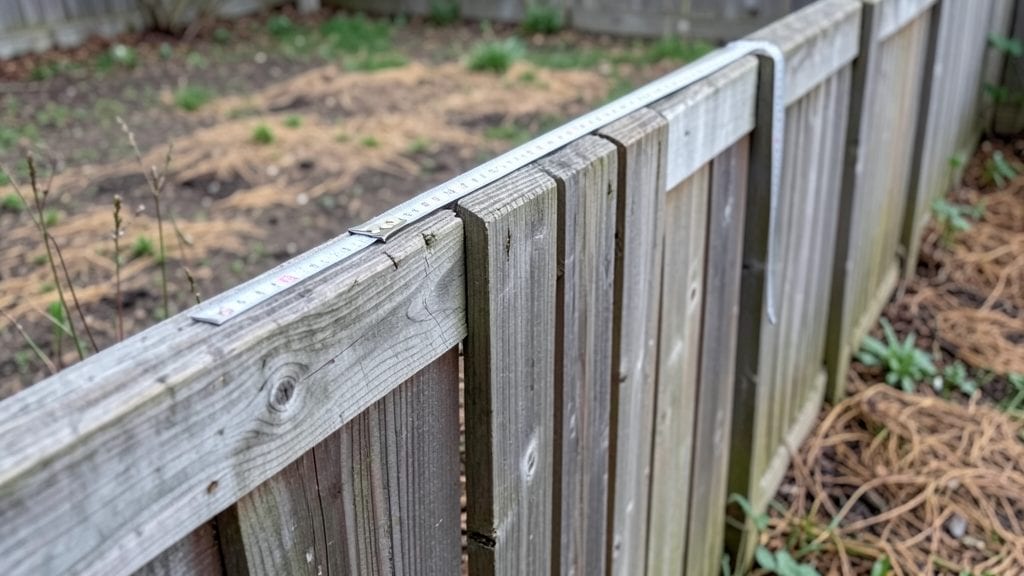
Garden fence height regulations vary by location but typically range between 4 to 6 feet for residential properties, with some areas allowing up to 8 feet for privacy or security needs. Always check local zoning laws before installation.
Understanding garden fence height requirements starts with your local rules—some cities enforce strict limits on front-yard fences (often 3-4 feet) to maintain visibility for safety, while side and rear fences may stretch up to 6 feet or more. 🌳 I’ve seen homeowners face fines for overbuilding, so verifying with your city’s zoning office or HOA is non-negotiable.
Even if your neighbors have a 7-foot fence, their setup might qualify for exceptions like agricultural use or decorative landscaping that yours doesn’t.
Beyond legalities, the right height depends on your goals: 4-6 feet works for basic property delineation, while 7-8 feet offers true privacy—ideal for backyard gardens or pet areas. Materials like cedar or vinyl hold up better in windy climates, but taller fences need sturdier posts to avoid leaning.
Pro tip: If privacy is your priority, consider lattice panels on a 6-foot fence for a cost-effective boost without breaking zoning rules.
💡 In This Article
- How Local Zoning Laws Dictate Garden Fence Height
- Best Privacy Fence Heights for Garden Security
How local zoning laws dictate garden fence height
Local zoning laws create a tiered system for outdoor structures, and fences are no exception. Municipal ordinances typically divide properties into three zones: front, side, and rear yards—each with distinct height limits.
For example, front-yard fences often face the strictest rules (usually 3-4 feet) to preserve visibility for traffic and emergency vehicles, while rear fences can reach 6 feet or higher. This zoning approach balances neighborly aesthetics with public safety concerns, like visibility for fire lanes or pedestrian pathways.
The key factor is your property's "setback" requirements—the distance from your fence to the street or property line. Some cities mandate that fences in front yards must sit at least 5 feet from the sidewalk, which indirectly limits height.
Side and rear fences usually have more flexibility, but exceeding 6 feet often requires a variance permit, especially in single-family neighborhoods.
What most people don't realize is that some municipalities enforce "cumulative height" rules—meaning if your fence has multiple panels or layers (like lattice on top of wood), the total height still counts toward the limit.
Homeowners associations (HOAs) add another layer of complexity. Even if your city allows 7-foot fences, your HOA covenants might cap heights at 4 feet for uniformity. I’ve seen cases where homeowners installed legal-height fences only to receive violation notices from the HOA—always check both municipal codes and private agreements.
Agricultural or decorative fences (like those with artistic cutouts) sometimes qualify for height exceptions, but these require pre-approval and documentation proving their purpose.
Property line considerations also play a role. If your fence abuts a neighbor’s land, local laws may require shared ownership or specific materials to prevent disputes.
For instance, some areas mandate that fences along property lines must be made of non-permanent materials (like chain link) unless both parties agree in writing. This prevents "hostile" fences that block sunlight or access.
The science behind these rules often stems from historic land-use planning—older neighborhoods with narrow lots may have stricter limits to avoid overcrowding.
Exceptions exist for security or safety needs. If you’re installing a fence to deter crime (like a 7-foot metal fence around a garden shed), some cities allow variances if you provide evidence of repeated break-ins.
Decorative fences—those designed as living walls or artistic installations—might also bypass height limits if they serve a non-functional purpose. Always document your request with photos, permits, and any supporting evidence to strengthen your case.
Here’s what’s actually happening when you apply for a variance: The zoning board reviews your fence’s impact on the community. They’ll consider factors like shadow casting (taller fences can block sunlight for hours), fire safety (flammable materials near property lines), and neighborhood consistency.
For example, a 6-foot fence in a suburban area might be approved if similar heights exist nearby, but the same fence in a historic district could face rejection for altering the streetscape.
Pro tip: Before breaking ground, visit your city’s planning department or HOA office with a scaled drawing of your fence design. Ask about "non-conforming uses"—some older fences might grandfather in exemptions if they predate current laws. Understanding these nuances can save you thousands in fines or forced removals. 💫