
Tools
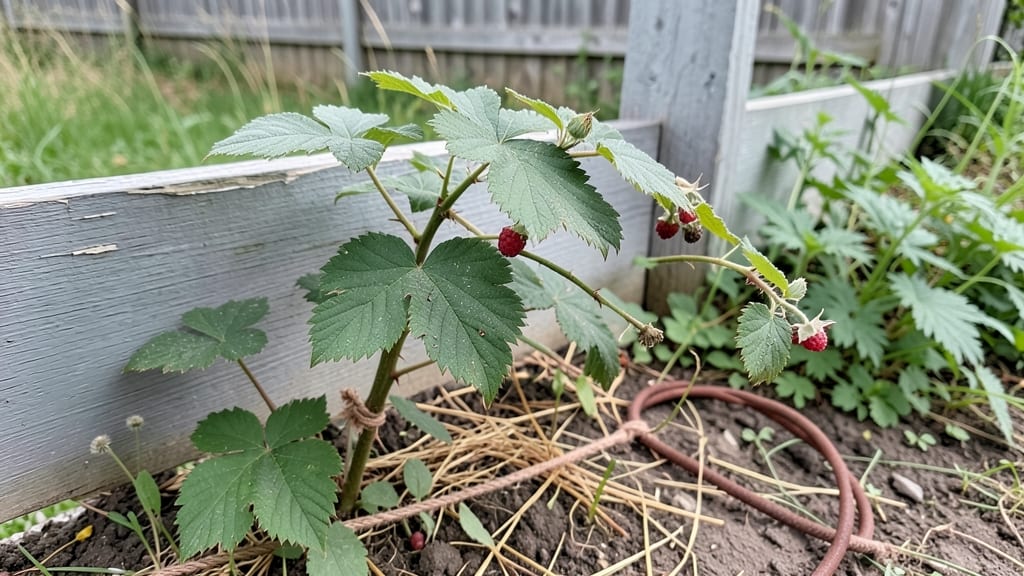
Creating garden enclosure plans means balancing material costs, size, and style—wood frames run $10–$30 per linear foot, while metal or vinyl options typically cost $20–$50. Always account for labor, hardware, and finishing details like gates or latticework when budgeting for your project.
Garden enclosures transform outdoor spaces into functional zones, but the right choice depends on your goals. Wood offers classic charm and affordability, making it ideal for rustic designs, though it requires regular upkeep.
Metal and vinyl provide durability with less maintenance, while natural stone delivers timeless elegance at a premium price. 🌿 I recommend starting with a clear layout sketch—this helps visualize how materials will fit your space and budget before making purchases.
Don’t overlook local climate factors when selecting materials. Coastal areas may need corrosion-resistant options, while high-traffic zones benefit from reinforced structures. Always check for hidden costs like permits or delivery fees, which can add 10–20% to your total estimate. Planning ahead saves headaches later!
💡 In This Article
- Material Cost Comparison for Garden Enclosures
- DIY Garden Enclosure Design Tips for Budget-Friendly Builds
Material cost comparison for garden enclosures
Wood remains the most popular choice for garden enclosures due to its natural aesthetic and relative affordability. Cedar and redwood, prized for their natural rot resistance, cost $15–$30 per linear foot—ideal for small to medium enclosures like a 6x8 ft raised bed frame.
Pressure-treated pine drops the price to $10–$20 per foot, but requires sealing every 1-2 years to prevent warping. The key trade-off? Wood's organic texture ages beautifully but demands 10–15% more budget for maintenance over 5–10 years compared to low-maintenance alternatives.
Metal enclosures—particularly powder-coated aluminum or galvanized steel—start at $25–$50 per linear foot, with premium options reaching $75+. Their strength makes them perfect for large-scale projects like 12x15 ft privacy screens or commercial garden borders.
The upfront cost is higher, but their 20–30 year lifespan with minimal upkeep (just occasional rust checks) often pays off. Regional pricing varies wildly: coastal areas may see 20% higher costs due to corrosion-resistant coatings, while inland climates benefit from standard galvanization savings.
Vinyl enclosures offer a middle ground with $30–$60 per linear foot pricing, combining metal's durability with wood's appearance. Their UV-resistant formulations prevent fading, and they require no painting or sealing—just occasional cleaning with mild soap.
However, vinyl's rigidity limits custom designs; pre-fabricated panels cost $1–$3 per square foot more than custom-cut wood. For a 4x6 ft trellis system, vinyl's $150–$250 total often undercuts wood's $120–$200 when factoring in yearly maintenance.
Natural stone enclosures deliver unmatched longevity but come with a premium price tag. Flagstone or bluestone panels average $15–$30 per square foot installed, while dry-stack designs (no mortar) reduce costs to $8–$15/sq ft. The labor-intensive installation—requiring 3–5 days for a 10x12 ft perimeter—adds $500–$1,500 in professional fees.
Stone's 50+ year lifespan and zero maintenance make it the ultimate investment, though regional quarry prices can swing costs by 30–50% depending on local sourcing.
Hidden costs often derail budgets: hardware (screws, brackets, hinges) adds $0.50–$2 per linear foot, while gates or latticework can double material costs. Labor rates vary by region—$25–$50/hour for DIY help vs. $50–$100/hour for contractors.
Pro tip: Purchase materials in late winter/early spring when suppliers discount excess inventory, potentially saving 10–15% on wood or metal. Always request 3 written estimates to compare pricing transparently.
Durability trade-offs matter most long-term. Wood's 5–10 year lifespan with treatment contrasts sharply with metal's 20–30 years or stone's 50+ years. Vinyl's 15–25 year lifespan bridges the gap but lacks wood's natural charm.
For climates with high humidity or pests, cedar or metal become non-negotiable—wood alternatives rot faster, while untreated metal corrodes. Weighing these factors ensures your enclosure stays functional and beautiful for decades. 💫