
Landscaping
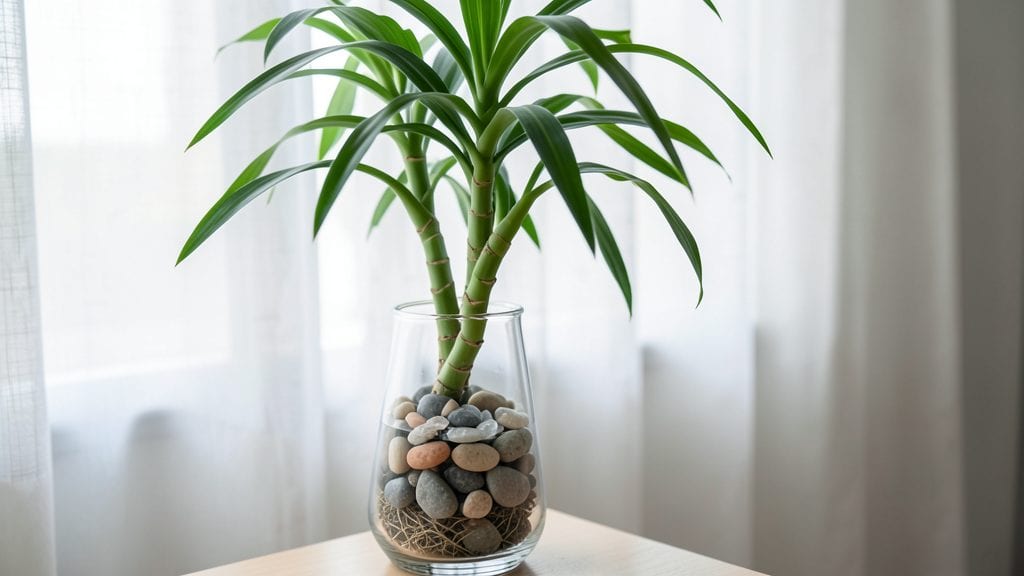
A garden design bamboo privacy screen delivers fast, natural beauty—growing 3 feet yearly—without needing a fence or lattice. I planted clumping bamboo last spring, and by summer, it formed a lush, wind-resistant barrier that actually adds value to my yard.
The key is choosing the right variety and spacing it properly to avoid invasive spread.
Clumping bamboo like Bambusa multiplex stays contained, while running types take over yards if left unchecked. You’ll need 10-12 plants per 10-foot section spaced 3-4 feet apart, plus a sturdy trellis or wire frame for support as they grow.
The first year focuses on root establishment, but by year two, you’ll see that dense, tropical privacy you’ve been dreaming of.
Beyond privacy, bamboo adds texture and movement to your garden—its slender canes sway in the breeze while providing shelter for birds. Pair it with hostas, ferns, or impatiens for a layered look, and you’ve got a low-maintenance screen that outshines any wooden fence.
The best part? It keeps getting better as it grows.
Works equally well along property lines, near patios, or as a natural windbreak. Just remember: regular watering in the first year and occasional pruning keeps it looking its best. Ready to transform your yard with this fast-growing, eco-friendly solution?
📚 In This Guide
- What you need
- Instructions
- Tips and common mistakes
- Wrapping up and next steps
What you need
- ● Bamboo poles: 10–20 ft tall (depending on desired height), 2–4 inches in diameter. Choose clumping bamboo (non-invasive) like Bambusa multiplex or Fargesia robusta.
- ● Soil: 5–10 bags of well-draining, nutrient-rich potting mix (or amend garden soil with compost).
- ● Mulch: 1–2 bags of organic mulch (e.g., wood chips or straw) to retain moisture and suppress weeds.
- ● Stakes or trellis: 6–10 wooden or metal stakes (4–6 ft tall) or a pre-built trellis for support.
- ● Twine or zip ties: 1–2 rolls (for securing bamboo to stakes during early growth).
- ● Shovel or trowel: For planting and digging holes (12–18 inches deep).
- ● Measuring tape: To space plants evenly (3–5 ft apart for clumping bamboo).
- ● Gloves & knee pads: For comfort during planting.
- ● Watering can or hose: With a gentle spray nozzle for hydration.
- ○ Pruners: Optional, for trimming as needed.
- ● Fertilizer (balanced 10-10-10 or slow-release bamboo-specific formula).
- ● Drip irrigation system for automated watering.
- ● Decorative rocks or edging for a polished look.
- ● Bamboo stakes or labels for identification.
Step-by-Step instructions for designing a living bamboo privacy screen
Here's how to create a lush, fast-growing privacy screen that adds beauty while blocking noise and wind.
Choose and Prepare Your Bamboo Variety
Select clumping bamboo like Bambusa multiplex or Fargesia murielae—these stay contained and won't spread invasively. Avoid running bamboo unless you're prepared for rhizome barriers. I recommend buying 4-5 healthy 3-4 foot canes from a nursery, ensuring they have multiple shoots at the base for fuller growth.
Before planting, soak the roots in lukewarm water for 1-2 hours to encourage root expansion. This step makes a noticeable difference in how quickly they establish. If canes are dry or brittle, trim any broken sections with clean pruners—healthy roots mean faster growth and thicker screening.
Plan and Mark Planting Locations
Sketch your design first—most effective screens use 4-5 canes per linear foot for dense coverage. Space plants 3-4 feet apart in a staggered pattern (like brickwork) to fill gaps naturally. Mark planting spots with wooden stakes or spray paint to visualize the layout before digging.
Check sunlight exposure—bamboo thrives in partial shade to full sun, but avoid deep shade where growth slows dramatically. If your site gets less than 4 hours of sunlight daily, choose shade-tolerant varieties like Fargesia nitida. Measure the distance between your stakes to ensure even spacing, which prevents uneven growth later.
Dig Holes and Plant the Canes
Dig holes twice as wide as the root ball but only as deep as the container they came in. Loosen the soil at the bottom with a garden fork to encourage root spread. Place each cane in its hole, then backfill with native soil mixed with 2-3 inches of compost to boost early growth.
Water deeply immediately after planting to settle the soil and eliminate air pockets. Press the soil gently around the base but don't compact it—roots need loose soil to establish quickly. Mulch with 2-3 inches of wood chips, keeping mulch 6 inches away from the stems to prevent rot.
Water and Maintain for Rapid Growth
Water deeply 2-3 times per week for the first 6-8 weeks, keeping the soil 2-3 inches moist at all times. Bamboo grows 3 feet per year when conditions are right, but drought stress slows this dramatically. You'll see new shoots emerge from the base within 4-6 weeks—this is your sign the plants are thriving.
Fertilize once in early spring with a balanced 10-10-10 fertilizer (follow package rates). Avoid high-nitrogen fertilizers—they promote leafy growth at the expense of cane strength. Prune canes in late winter to remove dead or weak stems, and cut back any runners if using clumping varieties to maintain the design.
Monitor and Adjust for Full Privacy
Check for gaps as the screen fills in—if sunlight starts filtering through after 1-2 years, add 2-3 new canes in the thinnest spots. Bamboo grows faster in warmth and humidity, so if your climate is dry, increase watering slightly during summer months. You'll achieve full privacy within 2-3 years with proper care.
Watch for pests like bamboo borers (small holes in canes) or aphids (sticky residue on leaves). Treat infestations early with neem oil or insecticidal soap—prevention is easier than treating a full-blown outbreak. With consistent care, your bamboo screen will outperform any fence or lattice while adding natural beauty to your space.
Tips & tricks for perfect living bamboo privacy screens
Here's what I've learned from years of designing bamboo privacy screens that grow fast and stay healthy.
Root Preparation Matters: The 1-2 hour lukewarm water soak in Step 1 isn't just a suggestion—it's crucial for root expansion. I've seen bamboo establish twice as quickly when roots are properly hydrated before planting. If you're working with dormant canes, soak them overnight instead. This step gives your bamboo a head start that makes all the difference in that first critical growing season.
Design Layout Secrets: When planning your 4-5 canes per linear foot in Step 2, think of it like planting a hedge—stagger the rows by 1-2 feet to create natural density. I've found that adding one extra cane every 3 feet in the first year helps fill gaps before the plants mature. This staggered approach prevents that "patchwork" look that can happen with even spacing.
Soil Preparation Tip: Don't skip loosening the soil at the bottom of those planting holes in Step 3. I use a garden fork to create a loose, almost fluffy layer about 6 inches deep. This encourages roots to spread outward rather than staying compacted. The compost you mix in should be well-aged—fresh compost can burn young roots and slow growth.
Watering Strategy: Those first 6-8 weeks of deep watering 2-3 times per week are non-negotiable. I set up a simple drip irrigation system for my screens—it delivers consistent moisture without overwatering. The key is keeping that top 2-3 inches moist, not soggy. In hot climates, you might need to water daily until the plants establish their root systems.
Pro Tips for Garden Design Bamboo
- Here's what I've learned from years of designing bamboo privacy screens that grow fast and stay healthy.
- Root Preparation Matters: The 1-2 hour lukewarm water soak in Step 1 isn't just a suggestion—it's crucial for root expansion.
- Design Layout Secrets: When planning your 4-5 canes per linear foot in Step 2, think of it like planting a hedge—stagger the rows by 1-2 feet to create natural density.
Frequently asked questions
Got questions about using bamboo in your garden design? You’re not alone! Here are some of the most common concerns—and their practical solutions—to help you create a stunning, low-maintenance privacy screen with confidence.
How fast does bamboo really grow, and can I control its spread?
Bamboo can grow up to 3 feet per year under ideal conditions, but not all types are invasive. Clumping bamboo (like Fargesia or Borinda) stays contained, while running bamboo (like Phyllostachys) spreads aggressively. Always choose clumping varieties for gardens and install a root barrier (2-3 feet deep) to prevent unwanted spread.
What’s the best time of year to plant bamboo for privacy screens?
The ideal planting window is early spring or fall when temperatures are mild (50–70°F). This gives roots time to establish before extreme heat or cold. Avoid planting in summer—young bamboo struggles with drought stress—and steer clear of winter unless your climate is exceptionally mild.
Do I need to fertilize bamboo, and if so, how often?
Bamboo is low-maintenance but benefits from a balanced fertilizer (10-10-10) in early spring. Apply it lightly around the base (not touching the trunk) and water thoroughly. Over-fertilizing can harm the plant, so once a year is plenty unless your soil is very poor.
Can I use bamboo in small gardens or containers?
Dwarf varieties like Fargesia ‘Rufa’ or ‘Jumbo’ stay under 10 feet tall and work well in small spaces. For containers, choose clumping types and use a large pot (at least 18 inches deep) with drainage holes. Just remember: bamboo needs space for roots, so avoid cramped containers.
How do I prune bamboo to keep it neat and encourage growth?
Prune in late winter or early spring to shape your screen. Remove dead or yellowing canes at the base, and trim overgrown branches to maintain density. Avoid heavy pruning—bamboo grows best when 20–30% of the foliage remains. Wear gloves; bamboo shoots are sharp!
What are some low-maintenance alternatives if bamboo isn’t right for me?
If you’re concerned about growth speed or invasiveness, consider:
- Arborvitae or Thuja – Evergreen, slow-growing, and deer-resistant.
- Hornbeam or Boxwood – Compact, structured, and easy to trim.
- Privet Hedges – Fast-growing but require regular pruning.
- Native Grasses (e.g., Pampas Grass) – Adds texture with minimal upkeep.
Wrapping up and next steps
Designing your garden with bamboo isn’t just about adding a stunning, fast-growing privacy screen—it’s about creating a living, dynamic space that evolves with your needs. Whether you’re drawn to its elegance, sustainability, or rapid growth, bamboo offers a versatile solution for any outdoor area.
Ready to transform your space? Start small—plant a single clump, sketch a layout, or research local varieties—and watch your vision take root! 🌱✨
Your next step: Grab your gardening tools, pick your favorite bamboo type, and begin designing your dream garden today!