
Pests
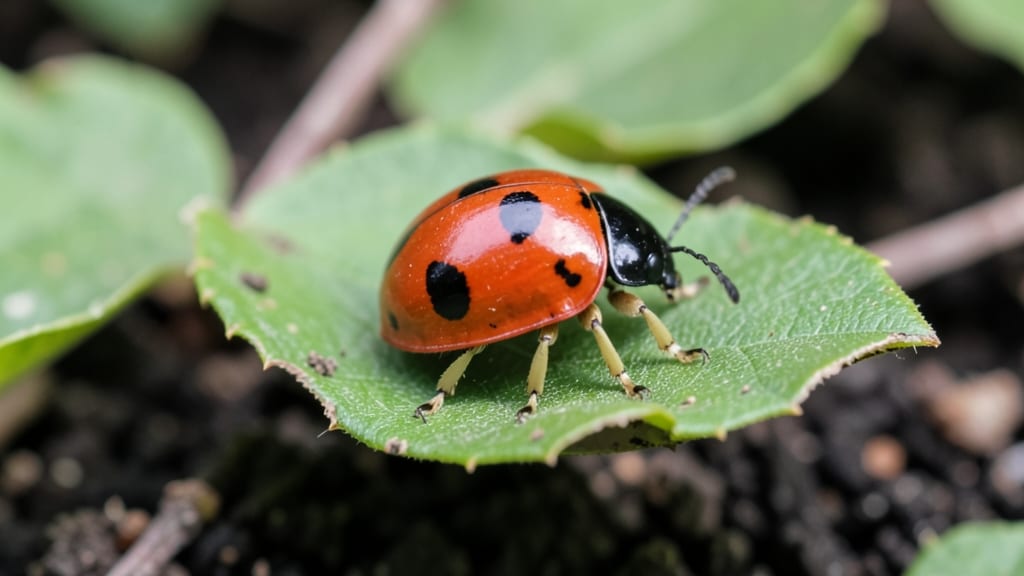
The identification of garden beetles is your first step toward protecting a thriving harvest from a ruined crop.
I’ve spent years watching these black and striped invaders march through my garden, and the key to stopping them starts with knowing exactly which beetle you’re dealing with—because not all are the villains they seem.
The worst offenders, like Japanese beetles with their coppery wings and white tufts, chew through roses and veggies in minutes, while Colorado potato beetles sport yellow-and-black stripes and target potatoes and tomatoes like a buffet.
But don’t panic—ground beetles (shiny black, fast-moving) and ladybugs (polka-dotted red or orange) are actually your allies, gobbling up pests instead. The trick is spotting the damage first: ragged leaves, skeletonized foliage, or tiny holes that give away who’s behind the chaos.
Once you know who’s who, you can act fast—Japanese beetles need handpicking or neem oil, while Colorado potato beetles respond to row covers or kaolin clay. The goal isn’t just to eliminate them but to protect your plants without harming the good guys.
A magnifying glass and a quick walk through your garden at dusk (when many beetles are most active) will reveal their secrets—and your next move.
Here’s where it gets interesting: some beetles, like fireflies (glowing at night) or soldier beetles (long, slender, and harmless), are just passing through. The real troublemakers leave telltale signs—chewed petals, wilting stems, or eggs laid in neat rows on the undersides of leaves.
Pay attention, and you’ll catch them before they cause real damage.
📚 In This Guide
- What you need
- Instructions
- Tips and common mistakes
- Wrapping up and next steps
What you need
- ● Handheld magnifying glass (3x–10x magnification) – For close-up inspection of beetle details like stripes, spots, or antennae.
- ● Field guide or smartphone app (e.g., iNaturalist, PictureThis, or a garden pest ID book) – To cross-reference beetle features with known species.
- ● Notebook & pencil – To jot down observations like beetle size, color patterns, and damage signs (e.g., chewed leaves, tunnels in stems).
- ● Measuring tape or ruler – Beetles range from 1/8 inch to over 2 inches; precise measurements help with ID.
- ● Clear plastic container with lid (small, like a mason jar or ventilated bug box) – For temporarily holding live beetles for closer study (release them afterward!).
- ● Spray bottle with water – To gently dislodge beetles from plants for better visibility.
- ○ Gloves (optional but recommended) – Protects hands from bites (some beetles can pinch!) and dirt.
- ● UV flashlight (blacklight) – Some beetles (like Japanese beetles) fluoresce under UV light, making them easier to spot at night.
- ● Camera with macro setting – Snap high-res photos for expert verification or future reference.
- ● Pest control options (research first!): Neem oil spray (for organic control)
- ● Diatomaceous earth (food-grade, for crawling beetles)
- ● Yellow sticky traps (attracts some species)
- ● Garden journal – Track beetle sightings by plant type, season, and weather patterns to predict outbreaks.
Step-by-step guide to identifying common garden beetles
Here’s how to tell apart the most destructive beetles in your garden—so you can act fast.
Observe Body Shape and Size
Start by noting the beetle’s overall shape. Most garden pests have oval or elongated bodies, but their size and proportions reveal their identity. Japanese beetles, for example, measure about ½ inch long with a shiny, metallic green head and copper-brown wings. Their bodies are rounded and slightly flattened. In contrast, Colorado potato beetles are ⅓ to ½ inch long, with bright orange-red wing covers and black stripes. These beetles often have a more cylindrical shape, especially when viewed from the side.
Look closely at the legs and antennae too. Japanese beetles have five-segmented antennae with three small balls at the tip, while Colorado potato beetles have clubbed antennae. The legs of Japanese beetles are often visible when they’re feeding, as they hold their wings flat against their backs. If you spot a beetle with striped black and yellow wing covers, it’s likely a striped cucumber beetle—a common tomato and squash pest.
Examine Wing Cover Patterns and Colors
The most reliable way to identify beetles is by their wing cover patterns. Japanese beetles have iridescent green heads and thoraxes with copper-brown wing covers. Their wing covers often appear slightly transparent, revealing the legs underneath. Colorado potato beetles, on the other hand, have bright orange-red wing covers with black stripes, making them unmistakable. If you see a beetle with black and yellow stripes, it’s almost certainly a striped cucumber beetle, which can devastate cucurbit crops.
Some beetles, like the black vine weevil, have a more uniform black coloration but are slightly smaller (⅓ inch long) and have a distinctive snout-like mouthpart. Others, such as the Mexican bean beetle, have yellow and black spotted wing covers. Pay attention to these details—they’re your best clues for quick identification.
Check for Distinctive Markings on the Thorax
The thorax (the segment between the head and wing covers) often holds key identification features. Japanese beetles have a shiny, metallic green thorax, while Colorado potato beetles have a black thorax with yellow markings. Striped cucumber beetles, meanwhile, have black thoraxes with yellow stripes. These markings are usually visible even from a distance, making them useful for quick field identification.
If you’re dealing with a smaller beetle (⅛ to ¼ inch long) with a black or dark brown body and white stripes, it’s likely a spotted cucumber beetle. These beetles are aggressive feeders and can strip leaves overnight. Meanwhile, the southern corn rootworm beetle has a yellowish-brown body with black spots and is often found near cornfields. Noticing these details helps narrow down the species before taking action.
Note Feeding Habits and Plant Damage
Beetles leave behind distinct feeding patterns that can help confirm their identity. Japanese beetles skeletonize leaves, eating the soft tissue between the veins while leaving the veins intact. Colorado potato beetles, however, devour entire leaves, often starting at the edges and moving inward. Their feeding leaves behind a ragged, chewed appearance. Striped cucumber beetles, meanwhile, create large, irregular holes in leaves and often feed on flowers and fruit.
Some beetles, like the black vine weevil, chew notches along leaf edges and often feed on roots, causing wilting or stunted growth. If you notice yellowing leaves or wilting plants without visible above-ground damage, check the roots for signs of weevil larvae. Observing these patterns helps you match the beetle to the damage it’s causing.
Use a Field Guide or App for Confirmation
If you’re still unsure, compare your observations with a field guide or identification app like iNaturalist or BugGuide. Take clear photos of the beetle from multiple angles—its head, thorax, wing covers, and legs—along with a close-up of any distinctive markings. These tools often include size comparisons and wing pattern diagrams that make identification straightforward. For example, Japanese beetles are often confused with green June beetles, which are larger (¾ to 1 inch long) and have smoother, less metallic wing covers.
Once you’ve confirmed the species, you can tailor your control methods. Japanese beetles respond well to neem oil or milky spore treatment, while Colorado potato beetles may require row covers or pyrethrin-based sprays. Striped cucumber beetles often need early-season prevention, like diatomaceous earth or kaolin clay. Knowing the exact species ensures you’re using the most effective approach.
Tips & tricks for identifying garden beetles with confidence
Mastering beetle identification starts with understanding the subtle details that separate destructive invaders from harmless visitors. These insights will help you spot the key characteristics that make all the difference in your garden.
Size is your first clue: Pay close attention to the size ranges mentioned in Step 1. Japanese beetles at ½ inch are noticeably larger than Colorado potato beetles (⅓ to ½ inch). Use a standard ruler or even a penny as a reference—its diameter is about ¾ inch, giving you a quick comparison tool. The ⅛ to ¼ inch spotted cucumber beetle is so small it often goes unnoticed until damage appears.
Lighting makes all the difference: Many beetle identification features are subtle color variations that become invisible in poor light. Observe beetles in natural daylight or under a bright LED lamp rather than relying on shady conditions. The iridescent green heads of Japanese beetles and the copper-brown wing covers only reveal their true colors in good light. I've caught myself missing key identification features because I examined beetles in dim light—don't make that mistake.
Thorax details reveal species: The thorax area between the head and wing covers often contains the most distinctive markings. For Japanese beetles, look for the shiny metallic green that sets them apart from similar beetles. Colorado potato beetles have black thoraxes with yellow markings that create a striking contrast. When examining beetles, gently lift the wing covers with a paintbrush or toothpick to get a clear view of these identifying features.
Damage patterns tell the story: Step 4 highlights how different beetles leave unique feeding patterns. Japanese beetles create a distinctive "skeletonized" look where only veins remain, while Colorado potato beetles leave ragged edges. Keep a garden journal with photos of both the beetles and their damage patterns—this visual record becomes invaluable when identifying future pests. I've solved multiple garden mysteries by comparing current damage to my past documentation.
Pro Tips for Garden Beetles Identification
- Mastering beetle identification starts with understanding the subtle details that separate destructive invaders from harmless visitors.
- Size is your first clue: Pay close attention to the size ranges mentioned in Step 1.
- Lighting makes all the difference: Many beetle identification features are subtle color variations that become invisible in poor light.
Frequently asked questions
Got questions about those pesky garden beetles? You’re not alone! Here are some of the most common concerns—and straightforward answers to help you tackle them like a pro.
What do black and striped beetles in my garden look like?
Black beetles with bright yellow, orange, or white stripes are likely Japanese beetles or striped cucumber beetles. Japanese beetles have coppery wings, while cucumber beetles are smaller and more oval-shaped. Check their size (1/2" to 3/4" long) and habitat—Japanese beetles love roses and grapes, while cucumber beetles target cucumbers and squash.
When are garden beetles most active?
Most destructive beetles, like Japanese beetles, peak in late June through August. Striped cucumber beetles appear earlier, around May to July, especially when squash and melon plants are flowering. Early morning or late afternoon are their most active times—great for spotting (and trapping!) them.
How can I tell if beetles are damaging my plants?
Look for chewed leaves, skeletonized foliage (veins left intact), or holes in fruit. Japanese beetles also cause grub damage—check for brown, C-shaped larvae in soil near grassy areas. Striped cucumber beetles may leave silver streaks on leaves or transmit bacterial wilt, causing plants to wilt suddenly.
Are there natural ways to control beetles without chemicals?
Try these eco-friendly methods:
- Handpick beetles into soapy water (especially in the morning when they’re sluggish).
- Use row covers over young plants to block adults.
- Plant beetle-repelling companions like catnip, tansy, or garlic near vulnerable crops.
- Apply kaolin clay (like Surround WP) to create a barrier they avoid.
- Encourage beneficial predators like parasitic wasps or birds with a shallow water source.
For grubs, milky spore (a natural bacteria) works slowly but effectively over time.
What should I do if beetles keep coming back?
Persistent beetles often mean larvae are still in the soil. Rotate crops, till the top 4–6 inches of soil in fall or early spring to expose grubs to predators and cold. For Japanese beetles, traps with pheromones can help—but place them far from your garden to avoid attracting more! If infestations are severe, consider neem oil sprays (reapply after rain) or beneficial nematodes like Heterorhabditis bacteriophora.
Wrapping up and next steps
Identifying garden beetles—whether they’re black and menacing or striped and sneaky—is the first step to protecting your crops and greenery. 🌱 By learning their telltale signs, like chewing damage or nocturnal habits, you can take swift action to keep your garden thriving.
Now that you’re armed with knowledge, why not inspect your plants this weekend? Early detection saves your harvest—and your sanity!
Next steps:
- Set up traps or barriers (like neem oil sprays or row covers).
- Monitor your garden regularly—especially after dusk!
- Share your findings with fellow gardeners for community support.