
Tools
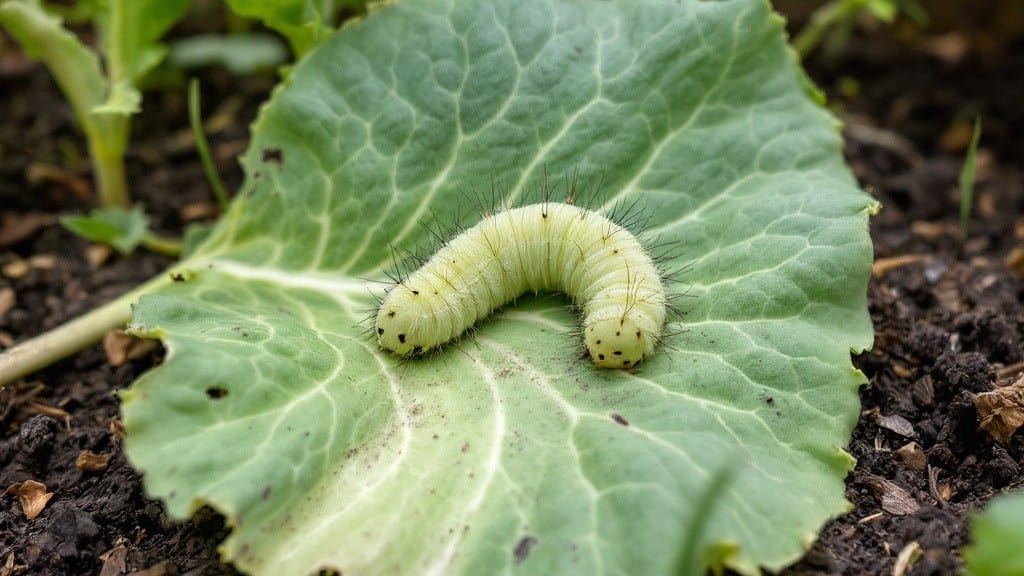
Identifying garden pests just got easier—check these garden pest photos to spot tiny holes in your leaves or sticky residue on stems.
A picture is worth a thousand words—especially when it’s a garden pest photo showing exactly what’s munching your plants. 🌿 I’ve spent years comparing my garden’s visitors to these visual guides, and spotting problems early has saved me from losing entire crops to aphids, slugs, or beetles before they even became noticeable.
The key is knowing what to look for: aphids cluster like fuzzy green dots, slugs leave shiny trails at night, and Japanese beetles chew clean edges into petals. These visual clues let you act fast—whether that means blasting them off with water, setting out beer traps, or introducing beneficial insects.
Prevention starts with recognizing the damage before it spreads.
By the end of this guide, you’ll match your mystery pests to their photos, understand the damage they cause, and know exactly how to stop them in their tracks. No more guessing whether those brown spots are disease or beetles—just clear visuals and simple solutions.
Works for any garden, from containers to full-size plots, and covers the most common troublemakers. Let’s get those pests identified—and out of your garden—for good.
Root Causes of Garden Invaders
Pests don’t just appear in your garden out of spite—they’re drawn by a mix of environmental cues, plant chemistry, and even human habits. Understanding why these critters show up is the first step to outsmarting them.
Below, we break down the science behind their behavior, so you can address the real triggers and keep your garden thriving.
Some plants are basically neon "eat me" signs for pests. Soft, tender foliage (like young seedlings or stressed plants) is an all-you-can-eat buffet for insects like aphids, caterpillars, and slugs. Here’s why:
- High moisture content: Succulent leaves (e.g., lettuce, basil) are rich in water and sugars, making them irresistible to sap-sucking pests like aphids and whiteflies. Science note: These pests use their stylets (tiny mouthparts) to pierce plant cells and drain nutrients—easy access = more damage.
- Volatile organic compounds (VOCs): Stressed or damaged plants release chemical signals (like methyl salicylate) that attract predators. For example, cabbage moths home in on VOCs from wounded brassicas, while Japanese beetles are drawn to the scent of roses under heat stress.
- Lack of natural deterrents: Some plants (e.g., tomatoes, peppers) produce toxins like solanine or capsaicin to repel pests. But when grown in poor soil or over-fertilized with nitrogen, these defenses weaken, making them easier targets.
Actionable fix: Choose pest-resistant varieties (e.g., 'Defiant' phlox for aphids) and rotate crops to disrupt pest life cycles. 💡 Pro tip: Interplant with alliums (garlic, chives) or marigolds—their strong aromas mask the scent of vulnerable plants.
Waterlogged soil isn’t just bad for roots—it’s a pest paradise. Excess moisture creates the perfect conditions for:
| Pest | Why They Love It | Science Behind It |
|---|---|---|
| Slugs & Snails | Slime trails need moisture to stay active. | These mollusks rely on a mucus layer to breathe through their skin. Dry conditions cause them to estivate (a dormancy state), but consistent dampness keeps them feeding 24/7. |
| Fungal Gnats | Larvae thrive in soggy potting mix. | Their larvae require organic matter + moisture to develop. Overwatered containers become breeding grounds, with adults laying eggs in the top inch of soil. |
| Root Maggots | Weak, waterlogged roots attract egg-laying flies. | Female Delia radicum flies detect ethylene gas (released by stressed plants) and target plants with poor oxygen uptake in roots. |
Actionable fix: Improve drainage with perlite or sand, and water deeply but infrequently (aim for 1–1.5 inches per week). 🌡️ Pro tip: Use drip irrigation instead of overhead watering to keep foliage dry—slugs and fungal gnats hate it.
Leaves, mulch, and weeds aren’t just eyesores—they’re pest condos. Here’s how they enable infestations:
- Physical protection: Thick mulch layers (especially organic) provide hiding spots for earwigs, cutworms, and rodents. These pests avoid open spaces where predators (like birds or spiders) can spot them.
- Moisture retention: Decaying plant matter (e.g., old tomato vines) creates microclimates with high humidity—ideal for scale insects and mealybugs, which desiccate in dry air.
- Food sources: Weeds like dandelions and chickweed host aphids and spider mites, which then migrate to your prized plants. Science note: Aphids reproduce asexually in these "nurse plants," creating colonies that spread via wind or garden tools.
Actionable fix: Clear debris regularly (especially after harvest) and use straw mulch (not wood chips) to allow airflow. ✨ Pro tip: Solarize soil in spring by covering it with clear plastic for 4–6 weeks to kill overwintering pests.
Pests are opportunists—they exploit changes in your garden’s environment. Key triggers include:
- Sudden heat waves: Japanese beetles and squash vine borers emerge en masse when soil temps hit 60°F+. Their larvae time their hatching to coincide with tender new growth.
- Cool, damp springs: Fungal diseases (like powdery mildew) thrive when nights stay above 50°F and days are humid. Spores spread via windborne water droplets, infecting plants.
- Drought stress: Plants under water stress produce more sugars in their leaves (a survival mechanism), which attracts sap-feeding pests like whiteflies.
Actionable fix: Monitor weather forecasts and use row covers during peak pest emergence periods. 🎯 Pro tip: Plant heat-tolerant varieties (e.g., 'Solar Fire' peppers) to reduce stress-related pest attractants.
Next up: How to turn these insights into a pest-proof garden strategy—without chemicals.
Quick Fixes for Common Garden Pests
Once you’ve identified the troublemakers in your garden using garden pest photos as your guide, it’s time to act! The good news? Most pest problems have simple, effective solutions—whether you’re dealing with chewy critters, sap-sucking insects, or hungry slugs.
Below, we’ve mapped out practical fixes for the most common culprits, along with prevention tips to keep your garden thriving long-term.
Cause: Tiny, clustered pests that drain plant sap, leaving sticky residue ("honeydew") and attracting ants. Fix:
- 🔥 Manual Removal: Blast them off with a strong stream of water (early morning works best). For stubborn clusters, crush them with your fingers (gross but effective!).
- 🍳 Soapy Water Spray: Mix 1 tsp mild dish soap + 1 quart water in a spray bottle. Test on a small leaf first—soapy water can burn tender plants. Spray directly on aphids every 3–4 days until gone.
- 👨🍳 Beneficial Insects: Release ladybugs or lacewings (available at garden centers). They love aphids and are safe for your plants.
💡 Prevention Tip: Plant marigolds, garlic, or chives nearby—aphids dislike their strong scents! Also, encourage ants away (they "farm" aphids for honeydew) by placing tacky barriers (like petroleum jelly on twigs) around infested plants.
Cause: Slimy nighttime raiders that munch on leaves, stems, and even seedlings, leaving silver slime trails. Fix:
- 🥘 Beer Traps: Bury a shallow container (like a yogurt cup) filled with beer so the rim is flush with the soil. Slugs crawl in and drown—gross but foolproof.
- 🔪 Copper Barriers: Wrap copper tape around pots or garden beds. The mild electric shock slugs get from touching copper deters them (works best for raised beds).
- 🌡️ Egg Cartons: Place upside-down egg cartons near plants. Slugs hide in the crevices—collect and dispose of them daily.
💡 Prevention Tip: Water plants early in the day so slugs aren’t lured out at night. Crushed eggshells or diatomaceous earth (food-grade only!) around plants create a gritty barrier they hate.
Cause: Hungry larvae that skeletonize leaves (eating only the soft tissue) or burrow into fruits/roots. Fix:
- ⏰ Handpick Early: Check leaves daily at dawn (caterpillars are sluggish then). Drop them into soapy water to kill them instantly.
- 🍳 Bt (Bacillus thuringiensis): A natural bacterial spray (like Dipel or Xentari) that’s safe for humans and pets but deadly to caterpillars. Reapply after rain.
- 🎯 Pheromone Traps: For tomato hornworms or cabbage worms, hang scented traps (available at garden stores) to disrupt mating.
💡 Prevention Tip: Plant basil, dill, or tansy nearby—caterpillars avoid these plants. Row covers (lightweight fabric) over young plants also block egg-laying moths.
Cause: White powdery spots or dark lesions on leaves, often from humidity + poor airflow. Fix:
- 🌡️ Baking Soda Spray: Mix 1 tsp baking soda + 1 quart water + a drop of soap. Spray every 7–10 days to prevent spread.
- 🍳 Neem Oil: A natural fungicide that smothers spores. Mix 1 tsp neem oil + 1 tsp soap + 1 quart water. Spray at dusk (avoid direct sun).
- ✨ Prune & Space Plants: Remove infected leaves immediately (don’t compost them!). Space plants 3–4 inches apart for airflow.
💡 Prevention Tip: Water at the base of plants (not overhead) and avoid mulching too thickly near stems. Resistant varieties (like powdery mildew-resistant squash) can save future headaches.
Cause: While ants don’t eat plants, they protect aphids, mealybugs, and other pests in exchange for honeydew. Fix: - 🔪 Borax or Vinegar Bait: Mix 1 tbsp borax + 1 cup sugar + 3 cups water (for outdoor use only).
Ants carry it back to the nest—kills the colony in 24–48 hours. - 🌡️ Diatomaceous Earth: Sprinkle food-grade DE along ant trails.
It dehydrates them—reapply after rain. - 🎯 Block Entry Points: Seal cracks in patio slabs, woodpiles, or tree bark with caulk or copper mesh.
💡 Prevention Tip: Store pet food and trash in metal containers with tight lids. Ants are less likely to invade if they can’t find food sources.
Cause: These herbivores munch on young shoots, flowers, and bark, leaving clean, jagged edges on plants. Fix: - 🔧 Temporary Fencing: Use chicken wire (1–2 feet tall) or flexible netting around garden beds.
Bury it 6 inches deep to deter digging. - 🌿 Spray Repellents: Mix 1 gallon water + 1 tbsp hot pepper sauce + 1 tbsp dish soap.
Spray on plants weekly (reapply after rain). - 🎯 Motion-Activated Sprinklers: Devices like ScareCrow spray water when they detect movement—scares them away without harm.
💡 Prevention Tip: Plant rabbit-resistant veggies like rosemary, thyme, or onions as borders. Deer-resistant plants (e.g., peonies, daffodils, or boxwood) can act as natural barriers.
- 💡 Rotate crops yearly to starve soil-borne pests.
- 🌡️ Mulch with straw or wood chips to deter weeds (which attract pests).
- 🎯 Inspect new plants before bringing them home—quarantine for 2 weeks to spot hidden pests.
- 🔄 Encourage biodiversity—wildflowers and native plants support beneficial predators (like birds and frogs).
Remember: The key to pest control is early action + prevention. Keep your garden healthy, monitored, and proactive—and those garden pest photos will just be for identification, not panic! 🌿🚫🐛
Frequently asked questions
How do I take clear garden pest photos for identification?
Use natural light and a 10x magnifying lens or smartphone macro mode. Focus on key details like body shape, color patterns, and damage (e.g., chewed leaves or sticky residue). Take close-ups of both the pest and its damage—this helps experts distinguish similar species like Japanese beetles vs. rose chafer beetles. Pro tip: Place pests on a white background or their host plant for better contrast.
Can I use my phone to identify garden pests from photos?
Apps like PictureThis, PlantNet, or iNaturalist use AI to analyze pest photos and suggest matches. For best results, include both the pest and its damage (e.g., holes in leaves or webbing). If the app gives multiple options, cross-reference with our visual guides to narrow it down. Always double-check with local extension services for regional accuracy.
Why do some pest photos show damage that doesn’t match my plants?
Pests often leave distinctive damage patterns—like Japanese beetles chewing petals into a lacy pattern or slugs leaving irregular holes with silvery slime trails. If your damage doesn’t match, check for multiple pests or consider environmental factors (e.g., fungal spots vs. insect bites). Compare photos side-by-side with our labeled damage examples to spot subtle differences.
How do I store garden pest photos for future reference?
Organize photos by pest type (e.g., "Aphids," "Slugs") in a cloud folder (Google Drive/Dropbox) or a labeled album. Add notes like date found, plant affected, and control methods used. For physical records, print and laminate key images to create a garden pest ID chart. This helps track patterns and refine your pest management strategy over time.
Are there legal restrictions on capturing or photographing garden pests?
Most garden pests are harmless to humans, but regulated species (like gypsy moths or invasive beetles) may require reporting. Check your state’s Department of Agriculture guidelines—some areas mandate reporting sightings. For common pests, you’re free to photograph and study them, but avoid harming protected species (e.g., native bees). Always release pests unless they’re clearly destructive.