
Tools
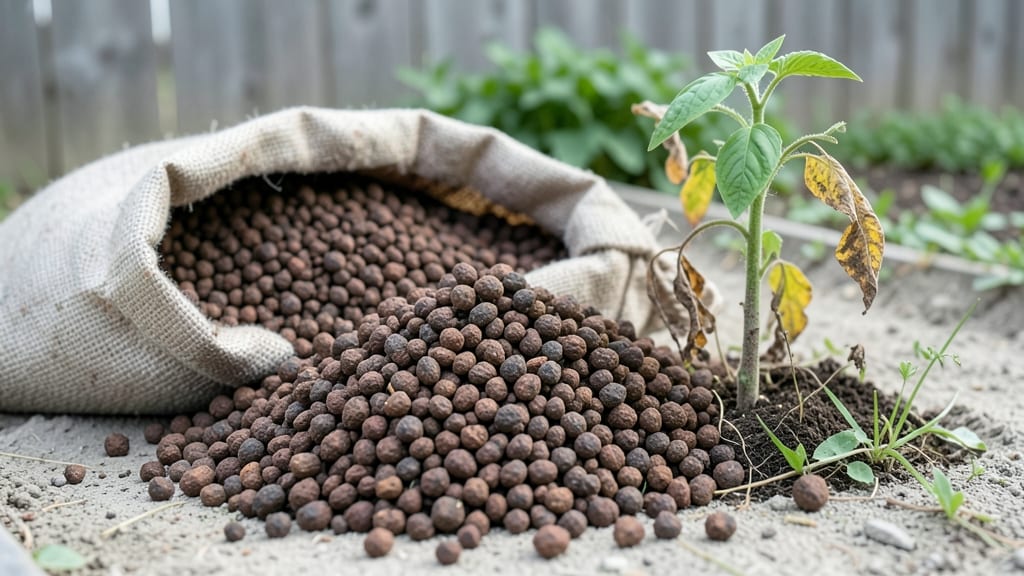
Understanding garden bed costs helps you budget effectively, as prices fluctuate dramatically based on your project's scale and materials—starting as low as $50 for a basic DIY raised bed and climbing past $1,500 for high-end in-ground designs featuring premium materials. Additional costs often arise from soil preparation, drainage solutions, and professional installation services.
Figuring out garden bed costs isn't just about the lumber or pavers you pick—it's about the whole setup. 🔥 A 4x8-foot cedar raised bed might cost between $150-$300 if you DIY it, but adding landscape fabric and hardware bumps that up to $400-$500.
Meanwhile, a custom in-ground design with stone borders and irrigation can easily exceed $2,000 when factoring in labor and specialty materials.
I've seen clients save hundreds by sourcing secondhand bricks or repurposing old fence panels, but the real money-saver is planning ahead for soil quality—skipping compost blends can mean replanting sooner than expected.
Another hidden cost many overlook is soil amendments. A 100-square-foot bed might need 2 yards of premium garden soil, which can run $100-$200 alone. If your yard has poor drainage, you'll also need to budget for gravel or sand layers.
For DIYers, renting a rototiller for $75-$100 can cut labor costs, but professional installation adds $20-$50 per hour. The key is weighing upfront savings against long-term benefits—like how a $150 investment in cedar lumber lasts 10+ years, while cheaper alternatives may need replacing sooner.
💡 In This Article
- Key Factors Influencing Garden Bed Pricing
- Budget-Friendly Garden Bed Solutions and DIY Tips
Key factors influencing garden bed pricing
The foundation of your garden bed's cost starts with the materials you choose. Cedar lumber, prized for its natural resistance to rot and insects, typically costs $5-$10 per board foot, making a 4x8-foot raised bed frame run $150-$300 for basic construction.
Composite lumber, while more expensive upfront at $10-$15 per board foot, lasts 20+ years versus cedar's 10-15 years, offering long-term savings. Bricks or pavers add $3-$8 per unit, while natural stone can push costs to $10-$20 per square foot for borders.
Bed dimensions directly impact material quantities and structural needs. A 2x4-foot planter might use 4-6 linear feet of lumber, while a 6x12-foot raised bed requires 24+ linear feet—tripling material costs. Depth matters too: standard 6-12-inch beds cost less than 18-inch deep designs needing extra lumber and soil.
For in-ground beds, excavation costs $1-$3 per square foot depending on soil type, with rocky or clay-heavy areas adding 20-50% more labor time.
Soil quality creates hidden costs many overlook. Premium garden soil blends cost $30-$60 per cubic yard, while basic topsoil runs $10-$25. A 100-square-foot bed needs 2-3 cubic yards—soil alone could cost $60-$180.
For poor drainage, adding gravel or sand layers adds $50-$200. Organic compost blends improve yields but cost $2-$5 per bag, while leaf mold or manure offer cheaper alternatives at $1-$3 per bag.
Labor rates vary dramatically by region. In urban areas, professional installation costs $20-$50/hour, while rural areas may charge $15-$30/hour. A 4x8-foot raised bed assembly typically takes 2-4 hours, adding $40-$200 to costs.
Permits for in-ground beds can run $50-$300 depending on local regulations. The key is balancing DIY effort against time savings—skilled labor ensures proper drainage and leveling, which DIYers often misjudge.
Consider these cost-per-square-foot benchmarks for planning:
- Basic DIY raised bed: $10-$25 per sq ft (cedar lumber + soil)
- Premium raised bed: $25-$50 per sq ft (composite lumber + premium soil)
- In-ground with pavers: $15-$40 per sq ft (depends on stone type)
- Custom in-ground: $40-$100+ per sq ft (stone borders + irrigation)
What most people don't realize is how regional climate affects costs. In wet climates, beds need extra drainage layers (+$10-$30 per sq ft), while arid regions may require mulch or irrigation systems (+$5-$20 per sq ft).
The right material choices can cut costs by 30-50% without sacrificing durability. 💫