
Tools
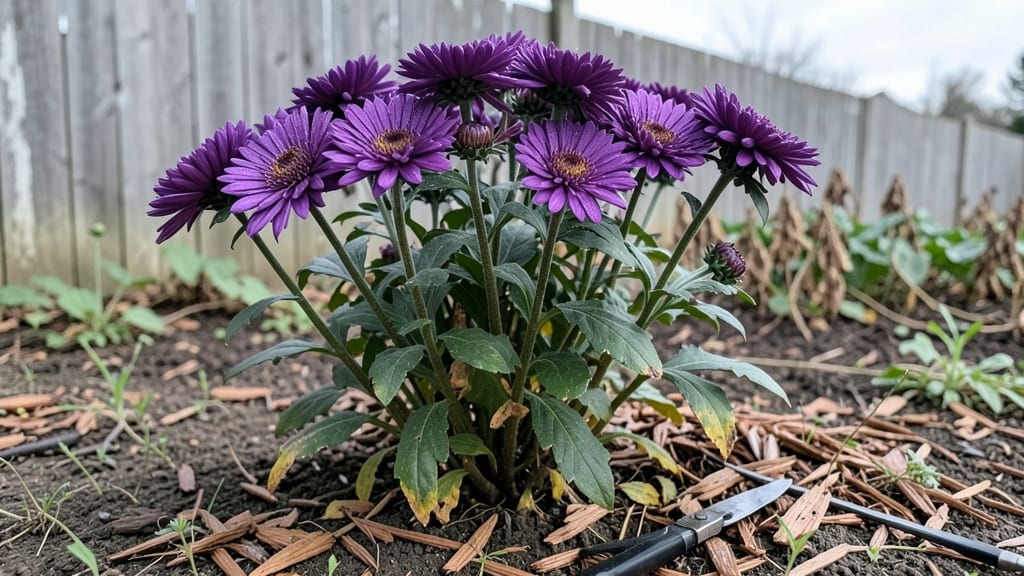
Fall garden prep transforms your yard into a year-round harvest machine—not just a seasonal showpiece. I’ve learned that the key isn’t working harder in spring, but smarter now, when the soil stays warm longer and pests take a break.
The right layered planting strategy means fresh greens in October, garlic ready by May, and perennials that return stronger every year.
You’ll need a few simple tools—a broadfork for aerating, a garden knife for cutting back, and a planting map to track what goes where. Cool-season crops like spinach, kale, and carrots thrive in this window, while garlic and onions need to be in the ground 4–6 weeks before frost.
The goal? Fill every inch of space without competing with summer’s spent plants.
By next spring, you’ll pull up garlic that’s already sprouting, harvest overwintered lettuce, and watch perennials burst from the soil like they’ve been on vacation. The secret isn’t complicated—it’s about timing, soil prep, and knowing which plants play well together.
Let’s get your garden set up for a harvest that lasts.
Works for Zone 3–10 gardens, whether you’re in a cool mountain climate or a mild coastal area. The principles stay the same—just adjust the timing. Ready to turn fall into your most productive gardening season yet?
📚 In This Guide
- What you need
- Instructions
- Tips and common mistakes
- Wrapping up and next steps
What you need
- ● Garden trowel (1-2, 6–8" stainless steel)
- ● Hand fork (1, sturdy for loosening soil)
- ● Pruners (1 pair, bypass or anvil type)
- ● Garden gloves (1 pair, durable and breathable)
- ● Wheelbarrow or bucket (1, 2–3 cubic feet for hauling)
- ● Rake (1, medium-tooth for leveling soil)
- ● Hose with nozzle (1, adjustable spray setting)
- ● Measuring tape (1, 10–25 feet for spacing plants)
- ● Compost or aged manure (5–10 gallons, well-decomposed)
- ● Organic mulch (straw, leaves, or wood chips, 2–3 cubic feet)
- ● Seedlings or seeds (choose cold-hardy varieties like kale, spinach, carrots, or radishes)
- ● Plant markers (biodegradable or reusable, 10–20 pieces)
- ○ Row cover or frost cloth (optional, 4’x6’ or custom size)
- ○ Soil test kit (optional, to check pH and nutrient levels)
- ● Access to a sunny garden bed (6+ hours of sunlight daily)
- ● Knowledge of your frost dates (check local USDA zone)
- ● Basic understanding of plant spacing for layered crops
- ○ Optional: A sketch or plan of your garden layout (helps visualize layers!)
Step-by-Step instructions for layered fall garden planting
Here’s how to extend your harvests through winter with strategic planting layers.
Clear and Assess the Existing Garden Space
Remove all spent annuals and diseased plants immediately to prevent pathogen buildup in the soil. I always pull weeds down to the root—anything left behind will regrow. Use a garden fork to loosen compacted soil, especially if you’ve had heavy summer crops like tomatoes or peppers.
Walk the space and note areas with poor drainage or excessive shade. These spots will determine where you’ll plant cold-hardy greens versus root vegetables. Mark problem areas with stakes so you can adjust planting plans later. Healthy soil now means fewer struggles in winter.
Amend Soil with Organic Matter
Spread a 2-3 inch layer of well-aged compost evenly across the garden bed. Work it into the top 6 inches of soil using a broadfork or your hands. This improves drainage, adds nutrients, and encourages beneficial microbial activity that protects roots in cooler months.
For heavier clay soils, mix in 1-2 inches of coarse sand to prevent compaction. I always test soil moisture after amending—it should hold together when squeezed but not form a tight ball. If it feels too dry, water lightly before planting.
Plant Cold-Hardy Staples First
Start with spinach, kale, and lettuce—these thrive in cooler weather and can handle light frosts. Space them 8-12 inches apart to allow airflow and prevent fungal diseases. I plant these in early fall, about 6-8 weeks before your first frost date, so they mature before winter sets in.
Next, add garlic and onions as they establish roots slowly and benefit from a long growing season. Plant cloves 2 inches deep, points up, with 4-6 inches between plants. These will overwinter and produce robust harvests next spring.
Layer with Mid-Season Crops
After the cold-hardy greens are established, fill gaps with radishes, carrots, and turnips. These grow quickly and tolerate cooler temperatures. Sow seeds directly into the soil at the depth recommended on the packet—usually ½ inch deep for most root vegetables.
Thin seedlings to 2-3 inches apart once they develop their first true leaves. This prevents overcrowding and ensures each plant gets enough nutrients. I always water gently after thinning to settle the soil around the roots.
Add Mulch and Protect for Winter
Spread a 3-4 inch layer of straw or shredded leaves over the soil to insulate roots and retain moisture. Avoid thick layers of fresh leaves, as they can mat and trap too much moisture, leading to rot. Secure edges with landscape fabric if wind is an issue.
For extra protection, install low tunnels or row covers over vulnerable crops like lettuce. These create a microclimate that extends the growing season by 2-4 weeks. Check tunnels regularly to ensure they’re not trapping excess heat, which can stress plants.
Tips & tricks for perfect fall garden layering
Creating a thriving fall garden requires precision and foresight—these key strategies will help you maximize your harvest while avoiding common pitfalls that derail even the most well-planned planting.
Soil Assessment is Non-Negotiable: In Step 1, when clearing your garden space, take extra time to dig a small test hole in each section. The soil's texture and drainage characteristics will determine where you place moisture-loving crops like spinach versus drought-tolerant radishes. I've learned the hard way that ignoring drainage issues leads to waterlogged roots and fungal problems—especially problematic in fall when cooler temperatures slow evaporation. Mark these zones clearly with stakes so you can reference them during planting.
Compost Layering Technique: When amending soil in Step 2, don't just spread compost on top—work it into the top 6 inches using a broadfork. This creates a nutrient-rich zone where roots can access food throughout the winter. For clay-heavy soils, mix in that 1-2 inch layer of coarse sand, but do it gradually to avoid disrupting soil structure. I always test moisture by squeezing a handful—it should crumble when dry but hold together when moist, like a damp sponge.
Planting Timing Precision: The 6-8 week window before your first frost date in Step 3 is critical for cold-hardy greens. Use your local frost date calendar to calculate when to plant spinach and kale—these varieties need time to establish before temperatures drop below 25°F. For garlic and onions, plant the cloves at exactly 2 inches deep with points up; any shallower and they'll be vulnerable to frost heave, while deeper planting delays emergence. I've found that planting garlic in early October gives it enough time to develop roots before winter sets in.
Thinning Strategy for Root Crops: When thinning radishes and carrots in Step 4, wait until they develop their first true leaves before pulling seedlings. This ensures you're not removing plants too early when they're still competing with weeds. Water gently after thinning to settle soil around remaining roots—this prevents air pockets that can cause forking in carrots. I always thin in stages over 2-3 days rather than all at once to avoid shocking the remaining plants.
Pro Tips for Fall Garden Prep
- Creating a thriving fall garden requires precision and foresight—these key strategies will help you maximize your harvest while avoiding common pitfalls that derail even the most well-planned planting.
- Soil Assessment is Non-Negotiable: In Step 1, when clearing your garden space, take extra time to dig a small test hole in each section.
- Compost Layering Technique: When amending soil in Step 2, don't just spread compost on top—work it into the top 6 inches using a broadfork.
Frequently asked questions
Got questions about prepping your fall garden for layered planting? Here are some of the most common ones—and their answers—to help you get started with confidence!
When is the best time to start fall garden prep?
The ideal window is 4–6 weeks before your first expected frost (check your USDA zone). For most regions, this means late summer (August–early September). Early prep lets cool-season crops like kale, spinach, and carrots establish strong roots before winter. Pro tip: Start with soil testing—fall’s lower temps make it easier to amend heavy clay or sandy soil without stressing plants.
What are the easiest crops for beginners to layer in fall?
Stick to fast-growing, cold-hardy crops like:
- Leafy greens: Spinach, lettuce, arugula (harvest in 30–50 days)
- Root veggies: Radishes, beets, carrots (tolerate light frosts)
- Brassicas: Kale, collards, broccoli (sweetened by frost!)
- Alliums: Green onions, garlic (plant in fall for spring harvests)
How do I protect my fall garden from frost or pests?
Use low-tech, budget-friendly tricks:
- Frost: Cover crops with row covers (lightweight fabric) or old blankets at night. Avoid plastic—it traps heat and can scorch plants.
- Pests: Interplant with repellent herbs (basil, dill) or use diatomaceous earth around the base of plants. Handpick slugs with a beer trap (bury a cup filled with beer—slugs drown in it overnight!).
Can I use the same soil as my summer garden?
Not ideal! Summer gardens deplete nutrients and can harbor pests/diseases. Refresh your beds by:
- Removing old plants and debris (compost what’s left!)
- Mixing in 2–3 inches of compost or well-rotted manure
- Adding balanced fertilizer (10-10-10) or bone meal for phosphorus (root growth)
What if my fall garden fails? How do I troubleshoot?
Common issues and fixes:
Problem
Likely Cause
Quick Fix
Leggy or weak plants
Too much sun/heat before frost
Use shade cloth (30–50%) if temps stay above 80°F
Yellowing leaves
Overwatering or nutrient deficiency
Let soil dry slightly between waterings; add compost tea
Slow growth
Poor soil or wrong pH
Test pH (aim for 6.0–7.0); add lime if acidic
Wrapping up and next steps
Prepping your fall garden with layered planting isn’t just smart—it’s a game-changer for year-round harvests and a thriving green space! By combining cool-season crops, mulch, and strategic planning, you’ll enjoy fresh veggies, fewer weeds, and soil that’s ready for spring. Your future self (and taste buds!) will thank you.
Ready to roll up your sleeves? Start small—even a single raised bed or container garden can make a difference! Grab your tools, follow your plan, and watch your garden transform into a productive, low-maintenance oasis. Happy planting! 🌱