
Landscaping
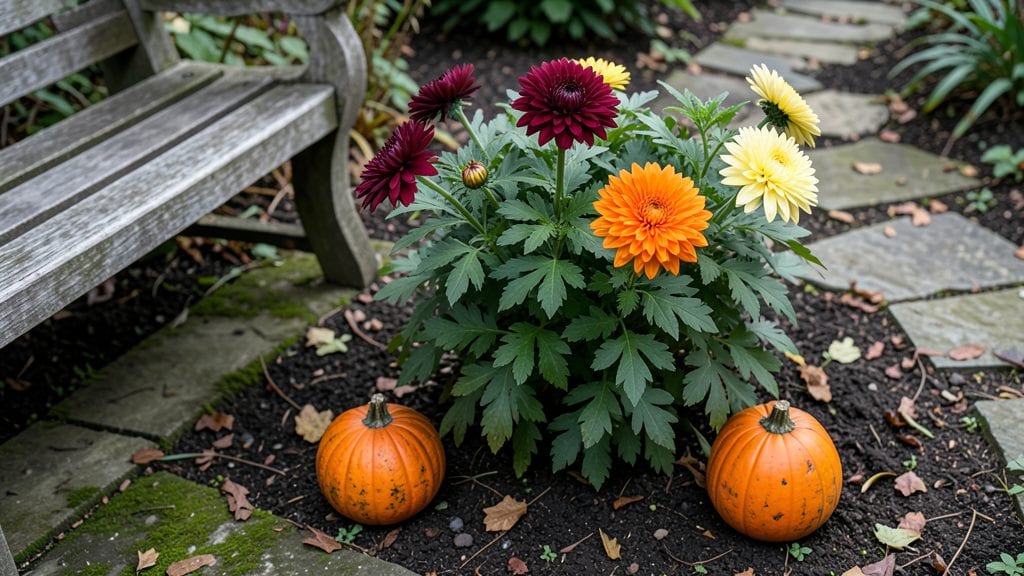
Fall garden design transforms your yard into a cozy retreat when temperatures drop. 🌿 I used to think fall gardens were just about mums and pumpkins, but layering plants with rich textures and warm colors creates something truly special—like wrapping your outdoor space in a wool blanket.
The key is balancing evergreens, ornamental grasses, and seasonal blooms that last through frost.
Start with a neutral base of deep greens and burgundies, then add pops of gold, rust, and burnt orange. Containers filled with ornamental kale, pansies, and snapdragons bring instant warmth, while raised beds packed with Brussels sprouts, kale, and ornamental peppers double as edible art.
Even a simple border of switchgrass and sedum adds movement and structure that lasts all season.
You'll end up with a garden that feels lived-in and inviting, where every walk through feels like a stroll through a storybook. The textures alone—velvety lamb's ear, feathery fountain grass, spiky coneflowers—create visual interest even when blooms fade.
Plus, the scent of woodsmoke and cinnamon sticks mixed with fresh air makes it impossible to resist spending time outside.
This works for any size space, from small balconies to large backyards. The same principles apply whether you're designing a harvest-themed display or a low-maintenance border. Let's get your fall garden planned before the first cool breeze arrives.
📚 In This Guide
- What you need
- Instructions
- Tips and common mistakes
- Wrapping up and next steps
What you need
- ● Perennials & Annuals: Choose cold-hardy plants like mums, sedum, heuchera, and ornamental grasses (3–5 plants per variety).
- ● Bulbs: Fall-planted bulbs like daffodils, tulips, or crocuses (10–20 per type).
- ● Mulch: Shredded bark or straw (2–3 inches, enough to cover garden beds).
- ● Potted Plants: Container-friendly fuchsias or pansies (1–2 per pot).
- ● Accents: Pinecones, gourds, or driftwood (for texture and charm).
- ● Garden Trowel (for planting small bulbs).
- ● Pruners (sharp, for trimming dead foliage).
- ● Garden Gloves (to protect hands from thorns or dirt).
- ● Wheelbarrow or Bucket (for transporting soil/mulch).
- ● Measuring Tape (for spacing plants evenly).
- ○ Optional: Hose with spray nozzle or watering can.
- ● Sunlight assessment: Note full sun (6+ hrs), partial shade (3–6 hrs), or full shade areas.
- ○ Soil test kit (optional but helpful for pH/fertility adjustments).
- ● Weather check: Plant before the first frost (typically mid-September–October, depending on your zone).
Instructions for crafting a fall garden with seasonal layers
Here's how I create a warm, textured garden that thrives through autumn's cooler days.
🌿 Step 1: Plan Your Seasonal Layers
Start by sketching four distinct layers: tall plants for structure, mid-height foliage, ground covers, and seasonal accents. I like to use evergreens like boxwood or holly for the backbone—they hold their color and provide year-round interest. Add height with ornamental grasses or late-blooming perennials like asters and sedum.
Next, fill the mid-layer with plants that thrive in fall, such as heuchera or Japanese anemone. These add vibrant foliage and flowers that last well into autumn. For ground covers, choose options like creeping thyme or ajuga—they spread beautifully and create a lush carpet. Finally, sprinkle seasonal accents like pumpkins or gourds for that quintessential fall feel.
🪴 Step 2: Prepare the Soil and Plant Your Foundation
Before planting, loosen the top 6 inches of soil with a garden fork to improve drainage and aeration. Mix in 2-3 inches of compost to enrich the soil and provide nutrients for your plants. This step is crucial—fall gardens need strong roots to handle cooler temperatures and potential frost.
Plant your tallest elements first, like evergreens or grasses, spacing them 18-24 inches apart depending on their mature size. Next, add mid-height plants, keeping them 12-18 inches apart to allow airflow and prevent overcrowding. Water deeply after planting to help roots establish in the cooler soil.
☀️ Step 3: Layer in Mid-Height and Ground Cover Plants
Fill the gaps between your taller plants with mid-height foliage like heuchera or hostas. These thrive in fall and add rich colors to your garden. Space them 10-12 inches apart to allow for growth while maintaining a full look. For ground covers, spread them evenly across the remaining space—they’ll fill in quickly and create a cohesive base.
Here’s the thing—don’t rush this step. Take your time to arrange plants so they complement each other in color and texture. A mix of deep greens, purples, and golds will give your fall garden that warm, inviting look. Water lightly after planting to settle the soil and encourage root growth.
✂️ Step 4: Add Seasonal Accents and Mulch
Once your foundation is in place, add seasonal accents like pumpkins, gourds, or late-blooming flowers. These elements bring instant warmth and texture to your garden. Place them strategically—near seating areas or along pathways—to create focal points that draw the eye.
Spread a 2-3 inch layer of mulch over the soil to retain moisture, suppress weeds, and protect roots from temperature fluctuations. I like to use shredded bark or straw mulch because they break down slowly and improve soil health over time. Avoid piling mulch against plant stems—keep it 2 inches away to prevent rot.
💧 Step 5: Maintain Through Fall and Into Winter
Water your garden deeply once a week unless rain provides sufficient moisture. Fall gardens need consistent hydration to prepare for winter dormancy. Watch for signs of stress—wilting leaves or yellowing foliage—and adjust your watering schedule as needed.
As temperatures drop, reduce watering gradually. Most fall plants enter dormancy by late autumn, but evergreens and grasses may still need occasional watering. Prune dead or damaged foliage in late fall to keep your garden tidy and encourage new growth in spring. This simple maintenance ensures your garden stays vibrant and healthy through the season.
Tips & tricks for perfect fall garden design
A few strategic moves can transform your fall garden from ordinary to extraordinary—here's what I've learned after years of trial and error.
Color Theory in Layering: When arranging your four layers, think about color contrasts that pop in autumn. Pair deep burgundy heuchera with golden sedum for striking visual impact. I like to create a "warm triangle" in my mid-height layer—place a purple Japanese anemone between two yellow hostas to draw the eye. This technique makes your garden feel intentionally designed rather than random.
Soil Prep Secret: Don't just loosen the top 6 inches of soil—work in a handful of organic matter like worm castings along with your 2-3 inches of compost. This gives your plants an extra nutrient boost they'll need to thrive through cooler temperatures. I also recommend testing your soil pH before planting; most fall favorites like boxwood prefer slightly acidic soil (pH 5.0-6.5).
Mulching Like a Pro: That 2-3 inch layer of mulch you spread in Step 4 serves multiple purposes beyond weed control. For evergreens, I add an extra 1/2 inch of mulch around the base to insulate roots from temperature swings. Just remember: keep it 2 inches away from stems to prevent rot. For extra insulation in colder climates, consider using a straw mulch that breaks down more slowly than shredded bark.
Seasonal Accent Placement: Your pumpkins and gourds aren't just decorations—they're focal points. Place the largest gourd near your seating area where it will be seen from inside your home. Create a "spill" effect with smaller pumpkins trailing down steps or along pathways. I like to group odd numbers (3, 5, or 7) of similar items together for natural-looking arrangements that feel intentional rather than cluttered.
Pro Tips for Fall Garden Design
- A few strategic moves can transform your fall garden from ordinary to extraordinary—here's what I've learned after years of trial and error.
- Color Theory in Layering: When arranging your four layers, think about color contrasts that pop in autumn.
- Soil Prep Secret: Don't just loosen the top 6 inches of soil—work in a handful of organic matter like worm castings along with your 2-3 inches of compost.
Frequently asked questions
Got questions about transforming your outdoor space for the cozy season? Here are some common concerns—and quick answers—to help you design a stunning fall garden with ease.
When is the best time to start planning a fall garden?
Ideally, begin designing in early to mid-summer (June–July) to account for plant growth cycles. This gives you time to source materials, prep soil, and schedule installations before cooler weather sets in. If you’re late, focus on low-maintenance elements like mulch, evergreens, or container plants that thrive in fall.
What are the most low-maintenance plants for fall color?
Opt for hardy perennials like sedum, heuchera, or ornamental grasses (e.g., fountain grass). For instant impact, try mums or smoke bush—both add texture and color with minimal upkeep. Pro tip: Choose native plants to reduce watering and pest issues!
How do I protect my fall garden from early frosts?
Use frost cloth or row covers for tender plants, and group them near walls or fences for extra warmth. Mulch heavily (3–4 inches) to insulate roots. For containers, move them to sheltered spots or bring them indoors before hard freezes. Warning: Avoid plastic covers—trapped moisture can damage plants!
Can I create a fall garden on a budget?
Start with repurposed containers (buckets, troughs) or divide existing perennials. Shop for dormant plants (cheaper in fall) or collect free mulch from local tree services. DIY stone pathways or gravel beds add texture without breaking the bank.
How do I layer texture for a cohesive fall look?
Combine fine (fern fronds, lamb’s ear), medium (grasses, hostas), and bold (ornamental cabbage, shrubs) textures. Add structural elements like driftwood or metal sculptures to tie layers together. Design hack: Use odd-number groupings (3 or 5 plants) for visual balance!
Wrapping up and next steps
Designing your fall garden is all about embracing the season’s natural beauty—rich colors, cozy textures, and layered plantings that invite warmth and intrigue.
Whether you’re adding ornamental grasses, evergreens, or seasonal blooms, the key is contrast: pairing deep purples with golden foliage or smooth boulders with rustling leaves. Your outdoor space can be a sanctuary that evolves with the changing light and temperatures!
Ready to transform your garden? Start small—pick one focal point, gather your materials, and let your creativity guide you. Before you know it, your yard will be the coziest corner of the neighborhood, one season at a time! 🍂✨