
Size
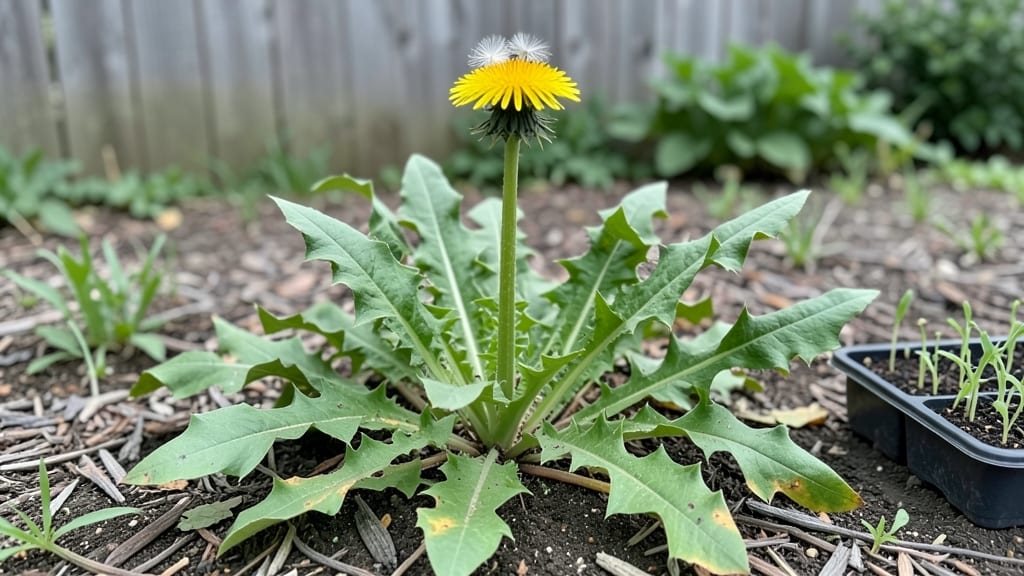
Turn your garden into a pollinator paradise by growing dandelions from seed—those "weeds" bloom brighter than any store-bought flower and thrive where nothing else will. 🌻 from nuisances. Their bright yellow flowers feed bees early in the season, and their fluffy seed heads add whimsy to any garden.
The secret to success starts with well-draining soil—no fancy amendments needed—and a sunny spot (they tolerate partial shade too). Plant seeds ¼ inch deep in early spring or fall, then water lightly until sprouts appear in 7-14 days.
Unlike fussy perennials, dandelions ask for almost nothing once established, making them perfect for lazy gardeners.
By late spring, you’ll have a carpet of cheerful blooms that last until frost. The flowers are edible (try them in salads!), and the roots make a caffeine-free tea.
Plus, they self-seed like crazy—meaning fewer chores for you and more food for pollinators. No other plant gives so much for so little effort.
Works in urban gardens, wildflower meadows, or even cracks in pavement—just give them space to spread. Ready to ditch the guilt and embrace the dandelion? Let’s get those seeds in the ground.
📚 In This Guide
- What you need
- Instructions
- Tips and common mistakes
- Wrapping up and next steps
What you need
- ● Dandelion seeds: Collect from mature, pesticide-free dandelions (or buy organic seeds online). Aim for 50–100 seeds per square foot for a lush garden.
- ● Well-draining soil: Dandelions thrive in sandy or loamy soil with a pH of 6.0–7.5. Amend clay soil with compost or perlite.
- ● Sunlight: A spot with full sun (6+ hours/day) or partial shade (they’re adaptable!).
- ● Water: A watering can or hose with a gentle spray nozzle (avoid soaking seeds).
- ○ Garden gloves (optional but recommended—dandelion sap can irritate skin!).
- ● Hand trowel or small shovel for planting seeds ¼–½ inch deep.
- ○ Rake or hoe to loosen soil and create shallow furrows (optional but speeds up planting).
- ○ Mulch (straw or shredded leaves) to retain moisture (optional for dry climates).
- ● Timing: Plant seeds in early spring or fall (avoid summer heat).
- ● No fertilizer needed! Dandelions are hardy and grow well in poor soil.
- ● Wildlife-friendly: Skip pesticides—let bees, butterflies, and birds enjoy the feast!
Step-by-step instructions for cultivating a dandelion seed garden
Turn those "weeds" into a thriving pollinator magnet with this simple, rewarding approach.
🌱 Step 1: Select and Prepare Your Planting Sites
Dandelions thrive in full sun to partial shade, so choose open areas where they’ll receive at least 4-6 hours of sunlight daily. I like to dedicate a corner of my garden bed or a small patch of lawn to them—anywhere they can spread naturally without competition from aggressive grasses. Avoid low-lying spots where water pools, as soggy soil will stunt their growth.
If starting from seed, scatter them directly where you want them to grow—dandelions resent transplanting. For a more controlled look, mark your planting area with a 1-foot square grid using stakes or string. This helps manage their spread while still allowing them to establish freely. Remember, dandelions have deep taproots, so avoid disturbing the soil once planted.
🌿 Step 2: Plant or Scatter Seeds Strategically
For a naturalistic garden, simply scatter dandelion seeds (or collect them from mature plants) thinly across your prepared area. Press them lightly into the soil with your fingers—no need to bury them deeply. Dandelion seeds germinate best in cool to moderate temperatures (50-70°F), so aim to plant in early spring or late summer for fall blooms.
If you’re using mature dandelion plants to propagate, let their seed heads form naturally. Once the fluffy seed puffs appear, gently shake them over your planting area on a calm day. This mimics their natural dispersal and ensures a steady supply of seedlings. Water lightly after scattering to help the seeds settle into the soil.
💧 Step 3: Water and Maintain Moisture Without Overdoing It
Keep the soil evenly moist but not soggy during the first 2-3 weeks after planting. Dandelions are drought-tolerant once established, but young seedlings need consistent moisture to prevent wilting. Water deeply once or twice a week, depending on rainfall, until the plants reach 6 inches tall. You’ll know they’re thriving when their bright green, deeply lobed leaves appear.
After the initial growth phase, reduce watering to once every 10-14 days unless your region experiences prolonged dry spells. Overwatering can lead to weak stems and encourage fungal issues, so let the top 1-2 inches of soil dry out between waterings. Mulch lightly with straw or grass clippings to retain moisture and suppress weeds without smothering the dandelions.
☀️ Step 4: Encourage Blooms and Seed Production
Dandelions will bloom 3-4 weeks after germination, producing their iconic yellow flowers. To maximize their pollinator appeal, avoid cutting back the plants until after the seed heads form. Bees, butterflies, and early-season pollinators will flock to your garden, making it a lively hub of activity. If you’re growing them purely for their beauty, let some plants go to seed while others stay in bloom for continuous color.
Here’s the thing—dandelions are self-sufficient once established, but you can give them a little help. If you notice the plants getting leggy or sparse, thin them out by pulling up weaker seedlings. This ensures stronger, healthier plants with more vibrant blooms. Deadhead spent flowers only if you’re trying to control their spread, but otherwise, leave them to self-seed naturally.
✂️ Step 5: Manage Spread and Harvest Seeds
Dandelions spread aggressively, so manage their growth by dividing your garden into sections if needed. If they encroach on unwanted areas, pull them up by the roots before they set seed. For a more contained look, trim back seed heads after they’ve released their puffs—this prevents unwanted seedlings from popping up elsewhere in your yard.
To harvest seeds for next year’s garden, collect the fluffy seed heads when they’re fully dry but before they disperse. Place them in a paper bag and shake gently to release the seeds. Store them in a cool, dry place until planting time. You’ll have a fresh batch of dandelions ready to go without relying on wild sources.
Tips & tricks for perfect dandelion seed gardens
Transforming dandelions into a deliberate pollinator haven takes just a few strategic adjustments—and avoiding these common pitfalls makes all the difference.
Location is Everything: While dandelions tolerate partial shade, they truly shine in full sun where they receive those critical 4-6 hours daily. I've found that south-facing garden corners or sunny lawn edges produce the most vigorous plants with the brightest blooms. If your only option is partial shade, prioritize areas with morning sun—they'll still thrive, just with slightly smaller flowers. The key is avoiding spots where water pools after rain, as soggy soil weakens their deep taproots.
Timing Secret for Germination: The 50-70°F temperature window for optimal germination is often overlooked. I've learned this the hard way—planting too early in cool spring soil can delay sprouting for weeks. For most climates, aim for late April to early May when soil temperatures consistently stay above 50°F. In warmer regions, late summer planting works beautifully for fall blooms, but avoid planting when daytime temperatures exceed 80°F—seedlings may struggle to establish.
Watering Wisdom: Those first 2-3 weeks are make-or-break for seedlings. I've seen gardeners overwater and create muddy conditions that suffocate young roots. The trick is deep watering—soak the soil to 6 inches deep once or twice weekly, then let the top 1-2 inches dry out between waterings. This mimics natural rainfall patterns and encourages strong root development. Once plants hit 6 inches tall, you can dramatically reduce watering to every 10-14 days—dandelions are remarkably drought-tolerant once established.
Pollinator Power-Up: For maximum bee and butterfly activity, let at least 30% of your plants go to seed while keeping others in bloom. I've noticed that maintaining this ratio creates a continuous nectar source from early spring through late fall. The secret is strategic thinning: remove the weakest seedlings when they're 3-4 inches tall, giving stronger plants more resources. This creates the lush, vibrant displays that make your garden a true pollinator magnet.
Pro Tips for Dandelion Seed Grow A Garden
- Transforming dandelions into a deliberate pollinator haven takes just a few strategic adjustments—and avoiding these common pitfalls makes all the difference.
- Location is Everything: While dandelions tolerate partial shade, they truly shine in full sun where they receive those critical 4-6 hours daily.
- Timing Secret for Germination: The 50-70°F temperature window for optimal germination is often overlooked.
Frequently asked questions
Got questions about growing a dandelion seed garden? You’re not alone—these cheerful blooms spark curiosity! Here are answers to the most common queries to help you cultivate your pollinator paradise with confidence.
How long does it take for dandelions to grow from seed?
Dandelions are fast growers! From seed to mature flower, expect 6–10 weeks in ideal conditions (full sun, well-drained soil, and regular watering). If you’re planting seeds in early spring or late summer, you’ll likely see blooms by early summer or fall. Pro tip: Thin seedlings to 6–12 inches apart for healthier plants and easier seed collection later.
When is the best time to plant dandelion seeds?
The best times to sow dandelion seeds are early spring (after the last frost) or late summer (6–8 weeks before your first frost). Avoid planting in extreme heat or cold, as germination slows. For year-round blooms, stagger plantings every 4–6 weeks. Bonus: Dandelions tolerate light frosts, so don’t rush to harvest seeds in fall!
Will dandelions attract bees and butterflies?
Dandelions are powerhouse pollinator magnets—their bright yellow flowers provide early-season nectar for bees, butterflies, and even hummingbirds. Planting them near other native wildflowers (like clover or milkweed) creates a buffet for beneficial insects. Fun fact: A single dandelion can support up to 40 bees at once!
Are dandelions invasive? Should I remove them from my yard?
Dandelions are not technically invasive (they’re not on most state noxious weed lists), but their aggressive spread can be frustrating. If you want to control them, mow before they seed or dig up roots in early spring. For a garden, embrace them—they’re low-maintenance, drought-tolerant, and packed with benefits for pollinators. Alternative: Grow them in a designated "wildflower patch" to keep them contained!
Can I grow dandelions in containers or small spaces?
Yes! Dandelions thrive in containers, raised beds, or small garden corners as long as the pot has drainage holes and is at least 12 inches deep. Use well-draining soil and place them in full sun. Space-saving tip: If you’re short on room, opt for Trollius (globe flower), a dandelion relative that stays tidier in containers.
What should I do if my dandelions aren’t blooming?
Non-blooming dandelions usually need one of three things: more sun (they crave 6+ hours daily), better soil (amend clay or compacted soil with compost), or less competition (remove weeds or overcrowded plants). If they’re leggy or floppy, they may need staking or a light trim to encourage bushier growth. Remember: Patience is key—some varieties take longer to mature!
Wrapping up and next steps
Growing a dandelion seed garden is a simple yet rewarding way to transform "weeds" into a thriving pollinator haven! 🌼 With just a few seeds, patience, and a little care, you’ll create a vibrant space that supports bees, butterflies, and other wildlife—all while adding beauty to your yard.
The best part? These hardy plants require minimal effort, making them perfect for beginners or busy gardeners.
Now that you’re armed with tips and tricks, take the next step: plant those seeds this weekend and watch your garden bloom into a dandelion dream! Share your progress with fellow gardeners—you might inspire others to join the movement. Happy growing! 🌱