
Size
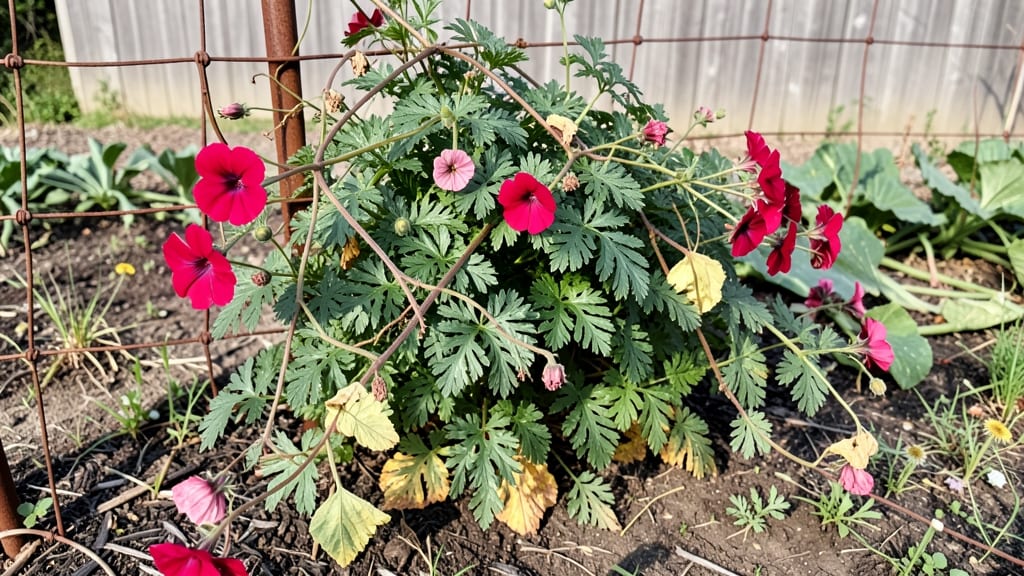
Growing a crimson vine in your garden is like inviting a fireworks display to climb your fence—except it actually stays put. 🌿 These vibrant vines burst with deep red blooms that turn heads and provide lush, natural privacy without the fuss of traditional hedges.
I’ve turned my backyard’s bare fence into a living tapestry using just a few key tricks, and you can too. The secret starts with the right spot: full sun and well-draining soil are non-negotiable.
Crimson vines thrive in 6-8 hours of sunlight daily, and they’ll reward you with nonstop blooms from spring through fall. Plant them near a sturdy trellis, arbor, or fence—they grow 10-15 feet in a single season, so give them room to stretch.
A little compost mixed into the soil at planting time gives them the energy boost they need to take off. By midsummer, you’ll have a wall of velvety foliage and trumpet-shaped flowers that hum with pollinators.
The vines are annuals in most temperate zones, but they self-seed so aggressively that they’ll often return year after year without extra effort. Prune back leggy growth in early summer to encourage bushier, bloom-heavy plants—just snip just above a leaf node, and watch new shoots pop out within weeks.
This isn’t just a pretty face—it’s a low-maintenance workhorse. No fancy fertilizers, no constant watering (just keep the soil evenly moist), and it outshines most ornamental plants in both beauty and practicality.
Whether you’re masking an ugly view or adding drama to a border, crimson vine delivers results that feel like magic. Let’s get those seeds or starts in the ground!
📚 In This Guide
- What you need
- Instructions
- Tips and common mistakes
- Wrapping up and next steps
What you need
- ● Crimson vine plants (Ampelopsis glandulosa) – 3–5 plants per 10-foot section (ensure they’re disease-free and healthy).
- ● Well-draining soil mix – A blend of 60% garden soil, 30% compost, and 10% perlite (or coco coir for moisture retention).
- ● Support structure – Trellis, fence, or arbor (minimum 6–8 feet tall for full coverage).
- ● Organic mulch – 2–3 inches of shredded bark or wood chips to retain moisture and suppress weeds.
- ● Balanced fertilizer (10-10-10 or 5-10-10) – 1 tablespoon per plant at planting and mid-season.
- ● Drip irrigation or soaker hose – For consistent moisture (especially in hot climates).
- ● Pruning shears – Bypass pruners (sharp, 6–8 inch blades) for trimming.
- ● Garden gloves – Heavy-duty for thorny vines (crimson vine has mild thorns!).
- ● Trowel or spade – For digging planting holes (12–18 inches deep).
- ● Garden twine or soft ties – To secure vines to trellises initially.
- ○ Epsom salt (magnesium sulfate) – 1 tablespoon per gallon of water (optional boost for green foliage).
- ● Fungicide (neem oil or copper-based) – Preventative measure for powdery mildew.
- ● Decorative lights or solar-powered stakes – For evening ambiance (fun bonus!).
Step-by-step instructions for planting crimson vine as a privacy screen
Here's my foolproof method for growing a lush, year-round privacy screen with striking red blooms.
🌱 Step 1: Choose the Perfect Planting Location
Crimson vine thrives in full sun to partial shade, but for maximum blooms, aim for at least 6 hours of direct sunlight daily. I always check the sun exposure of my space by observing how sunlight moves across the area during the warmest part of the day. A south or west-facing wall or fence works best.
This vine grows aggressively—15-20 feet per season—so pick a spot where it can spread freely without crowding other plants. Avoid low-lying areas where cold air collects, as Crimson vine is tender in frost. If you're unsure about your zone, plant near a sheltered wall to protect it from late spring frosts.
🪴 Step 2: Prepare the Soil and Planting Site
Crimson vine isn't picky about soil, but it grows best in well-draining, fertile soil with a pH between 6.0 and 7.0. Before planting, loosen the soil to a depth of 12 inches using a garden fork or tiller. Remove any weeds or grass, as competition will slow growth.
For the 4 plants you’ll be installing, dig holes twice as wide as the root ball but no deeper. Space them 8-10 feet apart in a staggered pattern—this creates a denser screen faster. If your soil is heavy clay, mix in 2-3 inches of compost into each hole to improve drainage and fertility. Water each hole thoroughly before planting to settle the soil.
🌿 Step 3: Plant and Water for Strong Establishment
Gently remove each plant from its container and place it in the hole, ensuring the top of the root ball sits level with the surrounding soil. Fill the hole with soil, pressing lightly around the roots to eliminate air pockets. Crimson vine has a deep root system, so firm the soil firmly but avoid compacting it too much.
Water each plant deeply—about 1 gallon per plant—right after planting. This helps settle the soil and encourages roots to spread quickly. Mulch around the base with 2-3 inches of organic mulch (like shredded bark) to retain moisture and suppress weeds. Keep the soil evenly moist but not soggy for the first 4-6 weeks—this is critical for root establishment.
☀️ Step 4: Provide Support and Encourage Growth
Crimson vine is a fast-growing climber, but it needs support to reach its full potential. Install trellises, fences, or strong wires along the planting line before the vines start climbing. I like using metal or wooden trellises because they’re sturdy enough to handle the vine’s weight as it thickens.
Train the vines early by gently weaving them through the support structure. You’ll see new growth within 2-3 weeks if conditions are right. Fertilize lightly with a balanced, slow-release fertilizer (10-10-10) in early spring to boost flowering. Avoid heavy feeding, as Crimson vine grows quickly and can become leggy if over-fertilized.
✂️ Step 5: Prune and Maintain for Year-Round Beauty
Prune in early spring before new growth begins to shape the vine and encourage dense foliage. Cut back any dead or weak stems to the base, and trim back overly long vines by one-third to promote bushier growth. This is also the time to remove any crossing or tangled vines to improve airflow and reduce disease risk.
In late fall, cut back the vines by half to prepare for winter. Crimson vine is tender in cold climates, so in zones with frost, you may need to protect it with burlap or move potted plants indoors until spring. Water moderately during the growing season—deep watering once a week is usually enough, but adjust based on rainfall and soil dryness.
Tips & tricks for perfect crimson vine privacy screens
Creating a stunning privacy screen with Crimson vine takes a little strategy—but these tips will help you grow a lush, vibrant barrier that thrives all year.
Sunlight Secret: That 6 hours of direct sunlight is non-negotiable for maximum blooms, but here's the thing: morning sun plus afternoon shade works too. If your space only gets intense afternoon sun, position your trellis to shield delicate leaves from the hottest rays. I've seen Crimson vine grow beautifully with morning sun and filtered afternoon light—just expect slightly fewer blooms.
Root Establishment Rescue: The 4-6 week even-moisture window is critical, but don't panic if you forget to water. Crimson vine's deep roots are surprisingly resilient. If you miss a week, the plants will still establish, but you might see slightly slower growth. After that initial period, they become much more drought-tolerant. Just check soil moisture by sticking your finger 2 inches down—if it's dry, water deeply.
Support System Strategy: When installing trellises, think vertical space! You can stack trellises vertically to create a thicker screen faster. I've used metal lattice panels for modern looks or wooden slats for rustic charm—both work beautifully. The key is spacing them 12-18 inches apart so vines can weave between them naturally. This creates that dense, impenetrable look you're aiming for.
Pruning Pro Tip: That one-third trim in spring isn't just about shaping—it's about rejuvenation. When you cut back the longest vines, you're actually encouraging the plant to produce more side shoots, which means more foliage and more blooms. I like to prune right after the first flush of new growth appears in spring, when the plant is putting all its energy into new stems. This timing gives you the best balance of shape and productivity.
Pro Tips for Crimson Vine Grow A Garden
- Creating a stunning privacy screen with Crimson vine takes a little strategy—but these tips will help you grow a lush, vibrant barrier that thrives all year.
- Sunlight Secret: That 6 hours of direct sunlight is non-negotiable for maximum blooms, but here's the thing: morning sun plus afternoon shade works too.
- Root Establishment Rescue: The 4-6 week even-moisture window is critical, but don't panic if you forget to water.
Frequently asked questions
Got questions about growing a stunning crimson vine privacy screen?
You’re not alone! Here are answers to the most common queries—from planting tips to troubleshooting—so you can cultivate a lush, year-round garden escape with confidence.
When is the best time to plant crimson vine for a privacy screen?
The ideal time to plant crimson vine (Vitis coignetiae) is in early spring (after the last frost) or early fall. This gives roots time to establish before extreme heat or cold. If planting in containers, you can extend the window slightly, but avoid planting in winter when dormancy kicks in.
How fast does crimson vine grow, and how soon will I have privacy?
Crimson vine is a fast grower, averaging 3–5 feet per year with ideal conditions (full sun, well-draining soil, and regular watering). With proper care, you could see a 10–15-foot-tall screen in just 3–5 years—perfect for quick privacy! Prune annually in late winter to encourage dense growth.
Can I grow crimson vine in containers, or does it need to be planted in the ground?
Yes! Crimson vine thrives in large containers (at least 15–20 gallons) if you live in a colder climate or rent. Use a well-draining potting mix and ensure the container has drainage holes. Move pots indoors or to a sheltered spot in winter if temperatures drop below 10°F (-12°C). Just be prepared for slightly slower growth compared to in-ground plants.
What pests or diseases should I watch for with crimson vine?
Crimson vine is generally low-maintenance, but keep an eye out for:
- Aphids or spider mites: Spray with water or use insecticidal soap if you spot sticky residue or webbing.
- Powdery mildew: Improve airflow and avoid overhead watering to prevent this fungal issue.
- Japanese beetles: Handpick or use neem oil to protect new growth.
How cold-hardy is crimson vine, and do I need to protect it in winter?
Crimson vine is hardy to USDA Zones 5–9, meaning it can survive winters as cold as -15°F (-26°C) with no extra protection in most areas. However, young plants or those in Zone 5 may benefit from a thick mulch layer (3–4 inches) around the base. In containers, move plants to a sheltered spot or wrap them in burlap for extra insulation.
Pro Tip: Pruning for Health & Shape
Prune crimson vine annually in late winter to:
- Remove dead or weak stems.
- Shape the vine for a fuller look.
- Encourage airflow to prevent disease.
Wrapping up and next steps
Growing a crimson vine as your year-round privacy screen is a rewarding project that combines beauty, functionality, and low maintenance.
With the right location, soil prep, and care, you’ll enjoy lush foliage and vibrant blooms that transform any space into a serene retreat. Start small—plant a single vine or expand gradually—and watch your garden flourish!
Ready to take the next step? Sketch your garden layout, gather supplies, and begin planting this weekend. Your future privacy oasis awaits!