
Tools
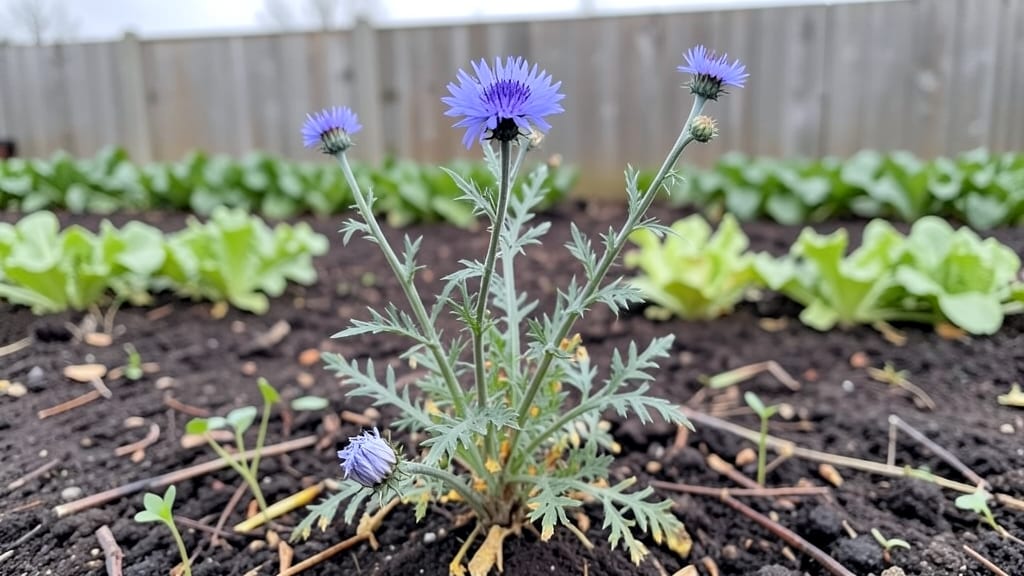
Cornflowers bring that shockingly lush blue to gardens where other flowers fade to green. 🌻 I planted mine along the back border last spring, and now they’re the star of every summer photo—tall, papery petals swaying in the breeze while bees and butterflies swarm them.
They’re the perfect bridge between cottage charm and wildflower meadows, thriving where other annuals struggle.
Pair them with pink cosmos for a vintage postcard look, or let them stand alone in drifts for a bold, effortless statement. They self-seed like crazy, so once you plant them, they’ll keep coming back for years—no replanting needed.
The secret to their visual impact? Plant them in odd-numbered clusters (threes or fives) rather than straight rows.
You’ll end up with neighbor-jealousy levels of color by early summer, and the pollinators will thank you all season. The flowers stay fresh when cut too, so you can snip stems for simple bouquets that last a week in a jar.
They’re tough enough for full sun or partial shade, and they even tolerate poor soil—just don’t crowd them.
Perfect for cutting gardens, pollinator patches, or just filling in gaps where other flowers flop. Here’s how to weave them into your design without overthinking it—because sometimes the simplest choices make the biggest impact.
📚 In This Guide
- What you need
- Instructions
- Tips and common mistakes
- Wrapping up and next steps
What you need
- ● Cornflower seeds (Centaurea cyanus): 1–2 packets (500–1,000 seeds per packet). Choose heirloom varieties like ‘Black Ball’ or ‘Telephone Purple’ for extra drama.
- ● Well-draining garden soil: Amend with compost (2–3 inches mixed into the top 6–8 inches of soil) for optimal growth.
- ● Sunlight access: A full-sun spot (6+ hours of direct light daily). Cornflowers thrive in open, airy spaces!
- ● Watering can or hose: With a gentle spray nozzle to avoid disturbing seedlings.
- ○ Plant markers (optional but helpful): Biodegradable labels or popsicle sticks to track varieties.
- ● Garden trowel or hand fork: For loosening soil and planting seeds (1–2 inches deep).
- ● Rake: To level the soil and create a fine seedbed.
- ○ Gloves (optional): For comfort while handling soil or thorny stems.
- ○ Pruners (optional): For deadheading spent blooms and encouraging more flowers.
- ○ Mulch (optional): Straw or shredded leaves (1–2 inches) to retain moisture and suppress weeds.
- ● Companion plants: Marigolds, cosmos, or lavender to attract bees and butterflies.
- ● Pollinator-friendly fertilizer: A light dose of organic, low-nitrogen fertilizer (5-10-10 ratio) at planting time.
- ○ Birdseed or suet feeders (optional): To welcome finches and other birds that love cornflower seeds!
How to plant and grow cornflowers for stunning season-long color
These cheerful blue blooms are easier to grow than you think—just follow these steps.
🌱 Step 1: Choose the Perfect Planting Spot
Cornflowers thrive in full sun, so pick a location that gets at least 6-8 hours of direct sunlight daily. They tolerate poor, dry soil better than most flowers, but they’ll reward you with bigger blooms if you plant them in well-draining soil with a little organic matter mixed in. I always test the soil by digging a small hole—if it feels compacted or stays wet for days, add some compost to improve drainage.
These hardy annuals grow 2-4 feet tall, so give them space. For a full garden bed, space plants 12-18 inches apart. If you’re planting in rows, keep them 12 inches apart with 18 inches between rows. Cornflowers also make great cut flowers, so planting them in clusters near walkways lets you snip stems for bouquets all season.
🌱 Step 2: Prepare the Soil and Plant Seeds
Loosen the soil to a depth of 6 inches with a garden fork or tiller to help roots establish quickly. Cornflower seeds are tiny but tough—scatter them lightly over the prepared soil, pressing them in just enough so they make contact with the earth. I like to use my fingers to gently pat the soil around the seeds, ensuring good seed-to-soil contact without burying them too deep.
Seeds germinate best in 60-70°F soil temperatures, so plant them after the last frost when the ground has warmed. Water gently after planting to settle the soil, but avoid soaking it—cornflowers hate soggy roots. A light misting is enough to trigger germination, which typically takes 10-21 days. Watch for the first green shoots to appear above the soil line—that’s your signal the seeds have sprouted successfully.
☀️ Step 3: Maintain Water and Support for Healthy Growth
Once seedlings emerge, water them 1 inch per week, allowing the top inch of soil to dry between waterings. Cornflowers are drought-tolerant, but consistent moisture during their first few weeks helps them establish strong roots. I water in the early morning so the leaves have time to dry before evening, which prevents fungal diseases.
As plants grow, they may need support, especially in windy areas. Stake taller varieties with 6-inch stakes or use a small tomato cage for extra stability. You’ll notice stems thickening as they mature—this is a sign of strong, healthy growth. Deadhead spent blooms by pinching off faded flowers to encourage more blooms throughout the season. This simple step keeps your cornflowers looking fresh and prolongs their flowering period.
✂️ Step 4: Harvest and Enjoy Your Blooms
Cornflowers make stunning cut flowers—harvest stems in the early morning when buds are just beginning to open. Cut stems at a 45-degree angle just above a leaf node to encourage new growth. Place them in a bucket of water immediately to hydrate the stems before arranging. These blooms last 5-7 days in a vase, making them perfect for bouquets or dried arrangements.
If you’re growing cornflowers for their seeds, leave some blooms on the plant until they turn brown and dry. The seeds are edible and have a nutty flavor, but they’re also prized for their vibrant blue hue in salads or as a natural dye. Once seeds are fully dry, you can collect them by gently rubbing the dried flower heads over a paper bag. Store seeds in a cool, dry place for next year’s planting.
Tips & tricks for perfect cornflower planting
A few simple tricks will help your cornflowers thrive and bloom beautifully all season long.
Sunlight Strategy: The 6-8 hours of full sun mentioned in Step 1 is non-negotiable for vibrant blooms. I always check sunlight exposure by observing my garden between 10am-4pm—this is when the sun is strongest. If your spot gets afternoon shade, consider using a reflective surface like a white wall or mulch to bounce extra light onto the plants. This makes a noticeable difference in flower size and color intensity.
Soil Prep Secret: When loosening soil to 6 inches in Step 2, I add a handful of coarse sand if my soil feels particularly dense. This improves drainage without changing the soil's natural composition. Cornflowers hate soggy roots, so this small adjustment prevents rot while still allowing roots to establish quickly. Think of it as creating tiny air pockets for those delicate roots.
Germination Timing: The 10-21 day germination window in Step 2 can feel like forever! To speed things up slightly, I cover newly planted seeds with a thin layer of clear plastic wrap until sprouts appear. This creates a mini greenhouse effect that warms the soil slightly—just remove it once you see those first green shoots. The key is maintaining that 60-70°F soil temperature range consistently.
Watering Wisdom: That 1 inch per week guideline in Step 3 works perfectly, but I've found morning watering at the base of plants (not overhead) prevents fungal issues completely. I use a soaker hose for this—it delivers water right to the roots without wetting the leaves. This simple habit keeps my cornflowers looking fresh and healthy all season, especially in humid climates.
Pro Tips for Cornflowers In Garden
- A few simple tricks will help your cornflowers thrive and bloom beautifully all season long.
- Sunlight Strategy: The 6-8 hours of full sun mentioned in Step 1 is non-negotiable for vibrant blooms.
- Soil Prep Secret: When loosening soil to 6 inches in Step 2, I add a handful of coarse sand if my soil feels particularly dense.
Frequently asked questions
about growing cornflowers in your garden—because every gardener deserves a little blue magic!How long does it take for cornflowers to grow from seed?
Cornflowers are fast growers! From seed, they typically sprout in 7–14 days and reach full bloom in 6–8 weeks. For quick color, plant seeds directly in the garden after the last frost—no fuss, no waiting!
Do cornflowers attract bees and butterflies?
Cornflowers are a pollinator magnet, especially for bees, butterflies, and even hummingbirds. Their bright blue blooms signal nectar-rich rewards—perfect for a thriving, buzzing garden ecosystem.
When is the best time to plant cornflowers?
Cornflowers thrive in cool to moderate climates. Plant seeds in early spring (after frost) or late summer for fall blooms. They’re hardy and self-seed easily, so they’ll often return year after year!
Can I grow cornflowers in containers or small spaces?
Yes! Cornflowers adapt well to containers, window boxes, or small gardens. Just ensure the pot has good drainage and depth (at least 6 inches). They’re also great for cutting gardens—snip stems for long-lasting bouquets!
Why aren’t my cornflower seeds germinating?
Cornflower seeds need light to germinate—don’t bury them deep! Sprinkle seeds on top of soil (or lightly press into the surface) and keep the soil moist but not soggy. If seeds are old, try soaking them in water for 24 hours first.
Pro Tip:
For continuous blooms, deadhead spent flowers (remove faded blooms) and water at the base to keep soil evenly moist. Cornflowers are drought-tolerant once established, but consistent moisture encourages vibrant blooms!
Wrapping up and next steps
Cornflowers are a game-changer for any garden, bringing vibrant blue blooms, effortless care, and a magnet for pollinators! 🌸 Whether you’re a seasoned gardener or just starting, these cheerful flowers prove that beauty and sustainability go hand in hand. Ready to transform your outdoor space?
Your next step? Plant a patch today! Start small with a few seeds or dive in with a full border—either way, you’ll be rewarded with months of color and buzzing life. Happy gardening! 🌱