
Landscaping
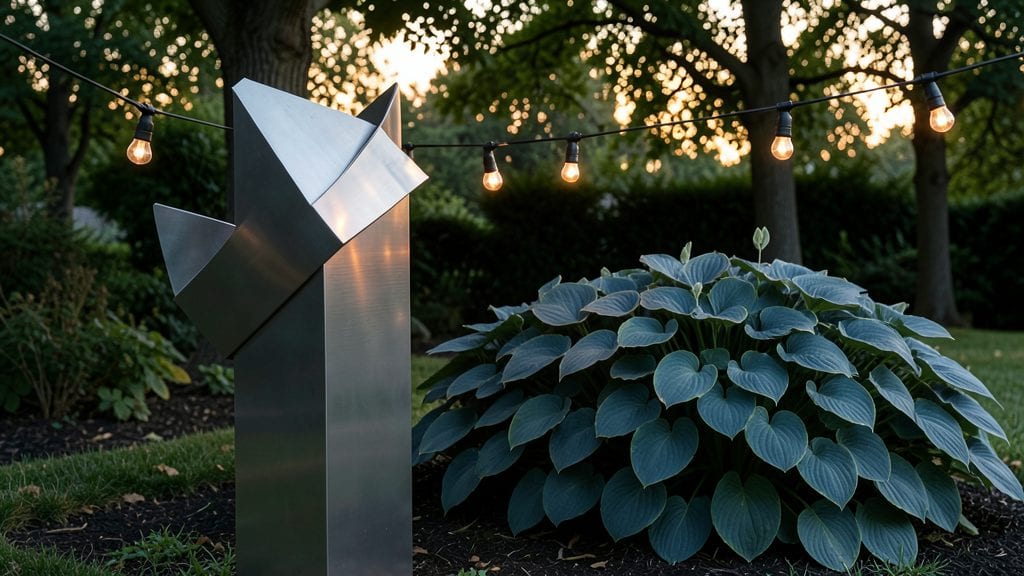
Transform your space with cool garden decor—whimsical focal points that turn a simple yard into a showstopper.
I’ve spent years collecting pieces that feel intentional, not just decorative, and the best ones do double duty: they catch the eye while serving a purpose, whether it’s lighting up evenings or framing a cozy seating area.
Think beyond traditional planters: a vintage wagon filled with trailing flowers becomes a conversation starter, while a repurposed fire hydrant (spray-painted in bold colors) adds urban charm. The key is mixing textures—rough wood, smooth metal, and woven rattan—so your space feels layered, not flat.
Even small touches like oversized terracotta pots or a mosaic stepping stone make a difference.
You’ll end up with a garden that feels like a curated gallery, where every piece tells a story. The best part? These decor ideas work year-round—swap out seasonal accents, add twinkling lights for ambiance, and suddenly your outdoor space becomes the envy of the neighborhood. Let’s make it happen.
Whether you’re working with a tiny balcony or a sprawling backyard, these ideas scale effortlessly. Start with one statement piece, then build around it—your garden’s character will shine through in ways you never expected.
📚 In This Guide
- What you need
- Instructions
- Tips and common mistakes
- Wrapping up and next steps
What you need
- ● Base Structures: Wooden pallets (2-4, depending on size)
- ● Terracotta pots (3-5, varying sizes)
- ● Galvanized metal planters (2-3)
- ● Stone slabs or bricks (5-10, for pathways or seating)
- ● Wrought iron or resin garden statues (1-2)
- ● Decorative Accents: Moss or artificial greenery (1-2 bags)
- ● Fairy lights (1-2 strands, solar or battery-operated)
- ● Wind chimes (1 set, metal or bamboo)
- ● Paint (weather-resistant, in colors of your choice)
- ● Stencils or decals (for custom designs)
- ○ Optional Extras: Solar-powered garden lanterns (2-3)
- ● Hanging planters (1-2)
- ● DIY upcycled items (e.g., old ladders, crates, or bottles)
- ● Chalkboard or slate signs (1-2)
- ● Measuring tape (for precision)
- ● Screwdriver or drill (for assembling structures)
- ● Paintbrushes (various sizes)
- ● Sandpaper (medium-grit, for smoothing edges)
- ● Garden shears (for trimming plants)
- ● Level (to ensure even placement)
- ● Outdoor-rated adhesive (for securing lightweight decor)
- ○ Optional: Hot glue gun (for quick fixes)
- ● Clear workspace (patio, deck, or garden bed)
- ● Basic DIY skills (or a friend who loves crafting!)
- ● Weather-appropriate timing (avoid rain or extreme heat)
- ● Inspiration photos or a sketch of your vision
Instructions for crafting whimsical garden decor focal points
Transform your outdoor space with playful, eye-catching accents that reflect your personality.
Define Your Garden’s Theme and Scale
Begin by assessing your garden’s existing elements—pathways, plant beds, and architectural features—to determine where a whimsical focal point would thrive. Measure the space you’re working with; a 6-foot diameter circle works well for a single statement piece, while a 10-foot linear arrangement suits longer borders. Consider the height of surrounding plants and structures to ensure your decor doesn’t get lost in the landscape. For example, a 3-foot-tall mosaic birdhouse would stand out in a 4-foot-tall shrub border but might overwhelm a smaller area.
Sketch a rough layout to visualize how the piece will interact with sunlight and shadows throughout the day. Morning light casts soft shadows, while afternoon sun creates dramatic contrasts—position your decor to highlight its textures and colors at their best. If your garden has a cohesive theme, like cottage charm or modern minimalism, choose decor that complements it without competing for attention.
Gather Materials for Custom or DIY Decor
For a handmade touch, collect materials like galvanized metal buckets, terracotta pots, driftwood, or upcycled garden tools to repurpose into decor. A 5-gallon bucket can become a quirky planter with a coat of chalk paint and a few succulents, while a weathered wooden ladder adds vertical interest when leaned against a fence. If you’re working with found objects, clean and seal them with outdoor-safe paint or varnish to prevent rot or rust.
For store-bought pieces, prioritize durability and weather resistance. Look for items labeled for outdoor use, such as powder-coated metal sculptures or UV-resistant resin planters. Test the weight of larger pieces to ensure they won’t topple in wind or when brushed by curious pets. If you’re incorporating lighting, opt for solar-powered LED string lights or waterproof path lights to avoid tangled cords and frequent replacements.
Install Decor with Purposeful Placement
Place your focal point where it will be seen from multiple angles—near a seating area, along a garden path, or at the end of a flower bed. For example, a whimsical sundial or a painted garden sign should be positioned where it catches the eye but doesn’t block walkways. Use landscape fabric and gravel to create a clean base for heavier pieces, preventing them from sinking into soft soil.
Group smaller decor items in odd-numbered clusters (like three mosaic stones or five painted pots) to create visual balance. If your garden has a focal point like a fountain or arbor, place decor within 3-5 feet of it to tie the space together. Avoid overcrowding; leave breathing room so each piece can shine individually. For hanging decor, use sturdy metal hooks or tree straps to support weight without damaging plants.
Enhance with Seasonal or Thematic Touches
Rotate decor seasonally to keep your garden feeling fresh. Swap out winter gnomes for spring wind chimes or replace summer lanterns with fall pumpkins and pinecones. Use weather-resistant fabric or outdoor paint to update colors yearly without replacing entire pieces. For example, a terracotta pot can be repainted in pastel shades for spring or deep jewel tones for autumn.
Incorporate interactive elements to encourage exploration, like a hidden fairy door in a tree trunk or a miniature garden gate leading to a small flower bed. These details invite curiosity and make the space feel alive. If you’re working with a specific theme, like a storybook garden or a Zen-inspired retreat, reinforce it with decor that tells a story—such as a wooden book sculpture filled with herbs or a stone path lined with tiny lanterns.
Maintain and Refresh Over Time
Inspect your decor annually for signs of wear, such as cracked paint, rusted metal, or splintered wood. Clean pieces with a mild soap solution and water, then reseal them with outdoor varnish or spray paint as needed. Store delicate or seasonal items in a dry, shaded area during harsh weather to prolong their lifespan. For example, wrought-iron garden art should be brushed with a metal cleaner every few years to prevent corrosion.
Refresh your garden’s look by swapping out a few key pieces rather than overhauling everything at once. A newly painted birdhouse, a cluster of fresh pebbles, or a single bold sculpture can modernize the space without breaking the bank. Keep a small inventory of spare parts, like replacement hooks or paint touch-up kits, to make repairs quick and easy. This approach ensures your garden stays vibrant and intentional year after year.
Tips & tricks for perfect whimsical garden decor
A few strategic approaches will help you create focal points that feel intentional and stunning rather than haphazard. The key lies in thoughtful placement, material selection, and seasonal adaptability.
Scale and Proportion: When working with a 6-foot diameter circle or 10-foot linear arrangement as mentioned in Step 1, remember that height matters just as much as footprint. A 3-foot-tall mosaic birdhouse should never compete with a 4-foot-tall shrub—it should complement it. I always sketch my garden layout to scale, marking sun paths and seating areas first. This prevents the common mistake of placing a statement piece where it gets lost or blocked by foliage.
Material Durability: In Step 2, the emphasis on powder-coated metal sculptures and UV-resistant resin planters can't be overstated. I've learned the hard way that skipping weatherproofing leads to faded paint and warped wood within months. For DIY projects, seal all natural materials with outdoor varnish—even if it's just a 5-gallon bucket turned planter. Test the weight of larger pieces by gently tugging them; if they budge, they'll topple in wind. For hanging decor, use tree straps instead of nails—they distribute weight better and protect your plants.
Lighting Strategy: The mention of solar-powered LED string lights in Step 2 is brilliant, but placement matters more than the lights themselves. I recommend installing them at 3-5 feet from your focal point (as suggested in Step 3) and angling them to highlight textures rather than just illuminate. For example, string lights draped around a wooden ladder create vertical interest, while focused uplighting on a terracotta pot makes it glow at dusk. Always use waterproof connectors to prevent electrical hazards.
Seasonal Rotation: The seasonal swapping advice in Step 4 is where gardens truly come alive. I keep a "decor inventory" with photos of each piece labeled by season—this makes annual transitions effortless. For example, I swap out winter gnomes for spring wind chimes in early March, but I repaint rather than replace when possible. A terracotta pot can serve as a spring pastel planter, a summer herb display, and an autumn pumpkin holder with just a fresh coat of paint and seasonal accents.
Pro Tips for Cool Garden Decor
- A few strategic approaches will help you create focal points that feel intentional and stunning rather than haphazard.
- Scale and Proportion: When working with a 6-foot diameter circle or 10-foot linear arrangement as mentioned in Step 1, remember that height matters just as much as footprint.
- Material Durability: In Step 2, the emphasis on powder-coated metal sculptures and UV-resistant resin planters can't be overstated.
Frequently asked questions
What’s the best way to choose cool garden decor that matches my home’s style?
Start by identifying your home’s architectural style (e.g., modern, farmhouse, cottage) and color palette. For a cohesive look, pick decor that complements your home’s exterior—think metallic finishes for contemporary spaces or rustic wood for a cozy vibe. Mix textures (e.g., stone + wrought iron) for depth, and don’t shy away from bold colors if they pop against your home’s neutral tones!
How much should I budget for unique garden decor?
Budgets vary widely! Basic options like painted pots or DIY sculptures can cost under $50, while high-end pieces (e.g., custom mosaics, fire pits) may run $300–$1,000+. Pro tip: Shop thrift stores, flea markets, or Etsy for one-of-a-kind finds without breaking the bank. Prioritize statement pieces (like a whimsical sundial) and fill in with affordable accents.
Can I install cool garden decor myself, or should I hire a pro?
Most lightweight decor (e.g., hanging planters, wall art) is a DIY-friendly project! For heavier or permanent installations (like stone pathways or water features), consider hiring a pro to avoid structural issues. Check local permits for large projects—some cities require approval for fences, sheds, or hardscaping.
What’s the most weather-resistant cool garden decor?
Opt for materials like powder-coated metal, fiberglass, or treated wood to withstand rain, sun, and wind. Avoid organic materials (e.g., untreated wood) in damp climates—they’ll rot faster. For extra durability, seal stone or concrete pieces with a weatherproof sealant. Pro tip: Elevate decor off the ground (use stands or trellises) to prevent moisture damage.
How can I make my garden decor stand out without looking cluttered?
Less is more! Group decor in odd-numbered clusters (3–5 pieces) for visual balance, and leave breathing room between items. Use contrasting textures or heights (e.g., a tall obelisk + low shrubs) to create layers. Avoid overcrowding paths—keep walkways clear for a clean, intentional look.
Wrapping up and next steps
Transforming your garden into a stunning outdoor retreat is easier—and more fun—than you think! With the right cool garden decor, you can create a space that’s uniquely yours, whether you love whimsical charm, modern elegance, or rustic coziness.
The key is to start small: pick one standout piece, like a quirky planter, a bold sculpture, or a lush vertical garden, and let it inspire the rest.
Now’s your moment to shine! 🌿 Grab your tools, gather inspiration, and take that first step—your garden’s future self will thank you. Ready to make it happen? Sketch your vision today!