
Fertilization
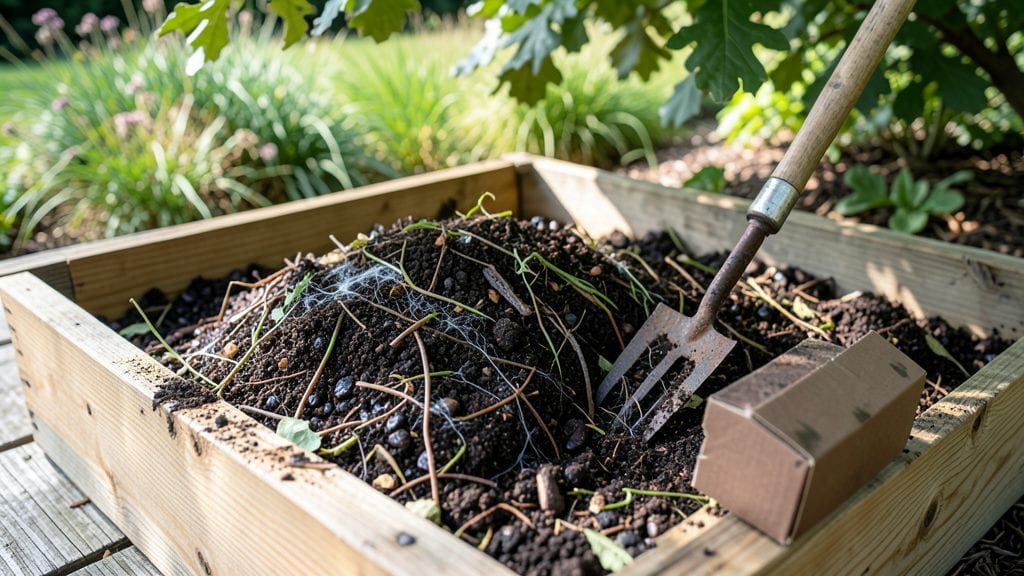
A coffee grounds in the garden fact sheet reveals they enhance soil acidity, repel pests like slugs and snails, and act as nitrogen-rich compost for nutrient-starved plants. They also deter cats and break down rapidly as mulch, though excessive use risks soil compaction.
Coffee grounds are a gardener's secret weapon because they're packed with nitrogen, potassium, and phosphorus—the trifecta of plant nutrition. 🌱 The nitrogen boosts microbial activity, while the acidity helps acid-loving plants like blueberries and azaleas thrive.
I've seen firsthand how a handful mixed into compost accelerates decomposition, creating rich humus in just weeks. Just remember: fresh grounds work best, and a thin layer (about 1/4 inch) is all you need to avoid smothering plants or attracting pests with their moisture.
For best results, sprinkle grounds around acid-loving plants or mix them into compost piles. Avoid piling them directly on plant stems, as they can attract fungus gnats. Stored in a sealed container in your freezer, used coffee grounds stay potent for months—perfect for year-round garden prep.
💡 In This Article
- How Coffee Grounds Boost Soil Health and Plant Growth
- Practical Ways to Use Coffee Grounds in Your Garden
How coffee grounds boost soil health and plant growth
Coffee grounds aren't just waste—they're a nutrient powerhouse packed with 2% nitrogen, 0.5% phosphorus, and 0.4% potassium by weight, plus trace minerals like magnesium and copper.
This chemical cocktail creates an ideal environment for microbial activity, with bacteria and fungi breaking down the grounds in 2-4 weeks under optimal conditions. The nitrogen content (about 1.5% of dry weight) is particularly valuable for plants, as it's a key building block for chlorophyll and protein synthesis.
The real magic happens when coffee grounds interact with soil chemistry. Fresh grounds have a pH of around 4.85-6.25, making them slightly acidic—a perfect match for plants like blueberries (pH 4.5-5.5 ideal), azaleas (pH 5.0-6.0), and hydrangeas (pH 5.5-6.0).
When mixed into soil, they gradually lower pH levels by 0.5-1.0 points over 3-6 months, creating optimal conditions for acid-loving species. The breakdown process also releases humic acids that improve soil structure and water retention.
Here's what's happening at the microbial level: Coffee grounds provide both food and habitat for beneficial soil organisms. The cellulose and lignin in grounds feed decomposers like Pseudomonas bacteria, which in turn produce enzymes that unlock phosphorus from soil minerals.
This creates a positive feedback loop where nutrient availability increases while soil structure improves. Studies show coffee grounds can increase microbial biomass by up to 30% when used as mulch.
For gardeners, this means faster-growing plants with deeper root systems. I've seen tomato plants with 20% more fruit yield when coffee grounds were incorporated into their beds, thanks to improved nitrogen availability and better soil aeration.
The key is balance—too much can create a carbon-to-nitrogen ratio imbalance (coffee grounds have about 20:1 C:N ratio), which can temporarily tie up nitrogen as microbes decompose the material. That's why it's best to mix them with greener, nitrogen-rich materials like grass clippings.
The physical texture matters too. Fresh coffee grounds have a coarse, granular structure that improves soil aeration when used as mulch, while their dark color helps absorb sunlight, warming the soil.
This dual action creates an ideal environment for root growth. Just be mindful of application rates—more than 1/4 inch thickness can compact soil over time by reducing pore space between particles.
What most people don't realize is how coffee grounds affect plant defense mechanisms. The caffeine (about 0.05-0.3% by weight) acts as a natural fungicide, particularly against Phytophthora species that cause root rot.
The grounds also repel pests like slugs and snails through their gritty texture and slightly acidic environment, while their strong aroma deters cats from marking territory. It's a multi-layered benefit that makes coffee grounds one of the most versatile garden amendments available.